
At Worcester, you’ll have opportunities to apply psychology practically by using our computer labs, testing ideas and building confidence. This career focused course will ensure you have the knowledge and experience to specialise in a particular area of psychology.
for graduate prospect outcomes.
of students find it easy to contact teaching staff when they need to

The course is professionally accredited by the British Psychological Society (BPS) and, providing you achieve at least a 2:2 in your degree, you will be eligible for Graduate Membership of the BPS and the Graduate Basis for Chartered Membership (GBC), the first step to becoming a Chartered Psychologist.
BPS accreditation is both an important hallmark of quality that is extensively acknowledged by employers in the field, and an essential stepping-stone if you are looking to progress to become a Chartered Psychologist after graduation.
Taking a BPS accredited course is necessary if you wish to pursue a career in psychology or in the wider psychological workforce. For information on the benefits of studying an accredited course, visit the BPS website.
Overview
Politics isn’t just law and policy, it’s about looking at how behaviour, speech and thought are used in the context of power to shape our society and culture.
Combining psychology with the study of society and politics, provides you with an in-depth understanding of the links between human behavior and power. You'll apply psychological theories and investigate the decisions and influences behind real-world issues, such as climate change, AI and international relations such as Brexit.
Throughout your studies, you’ll experience a mix of classroom-based learning, as you understand different psychology theories, and practical working as you use our computer labs to gather evidence, test ideas and strengthen your research skills. Learn how to design your own psychological studies and conduct your own research on a topic of your choice. Investigate what matters to you and uncover the answers to your questions. These hands‑on opportunities will help you develop your critical‑thinking and academic research skills needed as you investigate how power operates across different societies.
Our course is professionally accredited by the British Psychological Society (BPS) and offers a strong practical focus to help you build valuable professional skills alongside your academic learning. You’ll be eligible for student BPS membership, giving you opportunities to connect with a wider student psychology community through networks, online communities and in-person events.
Work experience
Work-based learning is central to this course. In your third year, you’ll have the opportunity to experience a placement through the Work Based Learning module.
Your placement gives you the chance to apply what you've learnt in lectures to practice, be able to speak to working professionals and learn from them, enabling you to gain a deeper awareness of the various roles and working environments within the profession and be able to reflex on your experience and apply that to your work and career aspirations
We work closely with the University's Careers and Employability team, arranging placements, both paid and voluntary, with many local and national organisations – including the NHS, the BPS, West Mercia Police Constabulary, Hereford & Worcester Fire and Rescue Service, Worcestershire County Council and HMP Aylesbury.
You can also choose to participate in psychological research or join our paid ‘students as researchers’ scheme, which will provide you with opportunities to work alongside staff on live projects.
Course content
You’ll build strong foundations in psychology and politics, then deepen your understanding of how psychological processes shape society and global political behaviour. As you progress, you can choose from optional modules that let you tailor the course to your interests and career ambitions.
Careers
This BPS accredited degree is the first step towards pursuing a professional career in Psychology. Our graduates are highly successful in securing good jobs in many different fields, from counselling to advertising, to working in the NHS or the criminal justice system.
The critical and analytical skills you’ll develop through the course will help you progress into a variety of careers within politics and psychology such as:
- Policy
- Civil service
- Local politics
- Human Rights
- Intergovernment organisations– such as NATO or the UN
- Research
Specialisms
To practice as a psychologist, you'll need to complete an accredited postgraduate qualification in your chosen specialism, these include:
- Clinical psychology
- Counselling psychology
- Educational psychology
- Forensic psychology
- Occupational psychology
- Sport and exercise psychology
You can find out more about the different specialisms and postgraduate training from the British Psychological Society (BPS).
Further study
Our course also provides the perfect foundation for further study of professional psychology, including on our specialised courses:
Course highlights



Teaching and assessment
This course combines lecturers, work‑based learning and assessments to help you gain the Graduate Basis for Chartered Membership in psychology, along with the skills and experience needed for a wide range of careers.
You’ll learn with and from your peers as you explore key areas of Psychology and Politics. Throughout the course, you’ll showcase your learning and build strong critical writing skills through both informal and formal assessments.
Teaching and assessment contents
You will learn through a mix of lectures and seminars to gain a balance of being introduced to key topics and having the chance to discuss what you've learnt in student-led discussions. Practical sessions and workshops will focus on developing subject-specific skills, including statistical analysis and political discourse, while lab sessions will provide hands-on experience with experimental equipment and software such as EEG, eye-tracking, Jamovi, and Gorilla.
Research-informed teaching is central to your learning experience, with opportunities to apply research methods in practical classes, directed study, group work, and assessments.
In your third year you will undertake a mandatory Work-Based Learning module, sourcing your own placement (subject to university approval), with departmental support available to help secure opportunities. The course is offered as a three-year full-time or four-to-six-year part-time programme.
Meet our Psychology and Politics lecturers

Dr Daniel Farrelly
Daniel is a principal lecturer in psychology. He obtained his BSc (hons) in psychology from Liverpool University in 1999, followed by an MSc in evolutionary psychology from Liverpool University in 2000. He gained his PhD in Psychology, studying the evolution of human cooperation, from Newcastle University in 2005. Previously, he has held research positions at Plymouth, Newcastle and Edinburgh Universities, and a lectureship at Sunderland University before joining Worcester as a senior lecturer in 2014.

Dr Jack Brimmell
Jack has previously worked with elite sporting organisations (i.e., the Premier League, the RFU and professional Women’s football teams) to try and use sport psychology to enhance performance. Jack is published in a number of top level sport psychology journals and is also reviewing work for these journals.
He is predominately interested in how feelings of anxiety and stress can disrupt attentional control and perceptual-cognition during pressurised sport performance.

Dr Luke Devine
Luke's teaching specialisms include sociology of religion, political philosophy, antisemitism, Freud and psychoanalytic sociology, and Jewish history and literature.
His research is primarily focused on fin de siècle Anglo-Jewish literature, particularly Amy Levy, on representations of Shekhinah in Jewish mystical literature, and on Sociology of Religion.

Dr Helen Scott
Helen's research interests lie in the areas of empathy and emotional intelligence in healthcare roles. In particular she is interested in how these concepts are demonstrated and assessed, using social psychological theories and individual differences as frameworks for investigation.
Dr Daniel Farrelly
Daniel is a principal lecturer in psychology. He obtained his BSc (hons) in psychology from Liverpool University in 1999, followed by an MSc in evolutionary psychology from Liverpool University in 2000. He gained his PhD in Psychology, studying the evolution of human cooperation, from Newcastle University in 2005. Previously, he has held research positions at Plymouth, Newcastle and Edinburgh Universities, and a lectureship at Sunderland University before joining Worcester as a senior lecturer in 2014.
Dr Jack Brimmell
Jack has previously worked with elite sporting organisations (i.e., the Premier League, the RFU and professional Women’s football teams) to try and use sport psychology to enhance performance. Jack is published in a number of top level sport psychology journals and is also reviewing work for these journals.
He is predominately interested in how feelings of anxiety and stress can disrupt attentional control and perceptual-cognition during pressurised sport performance.
Entry requirements
UCAS tariff points required: 112
| Qualification | Grade |
|---|---|
| A-level | BBC |
| BTEC National Extended Diploma | DMM |
| T-level | M |
GCSE English and Maths at grade C/4 or above
We do accept Access to HE Diplomas and other qualifications which may not exactly match the combinations above. Work out your estimated points with the UCAS tariff calculator.
Any questions?
If you have any questions about entry requirements, please call our Admissions Office on 01905 855111 or email admissions@worc.ac.uk.
Fees
Fees contents
UK and EU students
The standard fee for full-time home and EU undergraduate students on BA/BSc/LLB degrees and FdA/FdSc degrees in the academic year 2027/28 is £10,050 per year.
Tuition fees are reviewed annually and may increase each year for both new and continuing students.
For more details on course fees, please visit our course fees page.
International students
The standard tuition fee for full-time international students enrolling on BA/BSc/LLB degrees and FdA/FdSc degrees in the academic year 2027/28 is £17,700 per year.
Tuition fees are reviewed annually and may increase each year for both new and continuing students.
For more details on course fees, please visit our course fees page.
How to apply
How to apply contents
Applying through UCAS
UCAS is the central organisation through which applications are processed for full-time undergraduate courses in the UK.
Read our how to apply pages for more information on the application process, or if you’d like to apply for part-time study.
Contact
If you have any questions, please get in touch. We're here to help you every step of the way.
Admissions Office
admissions@worc.ac.uk01905 855111More to explore
Open Days
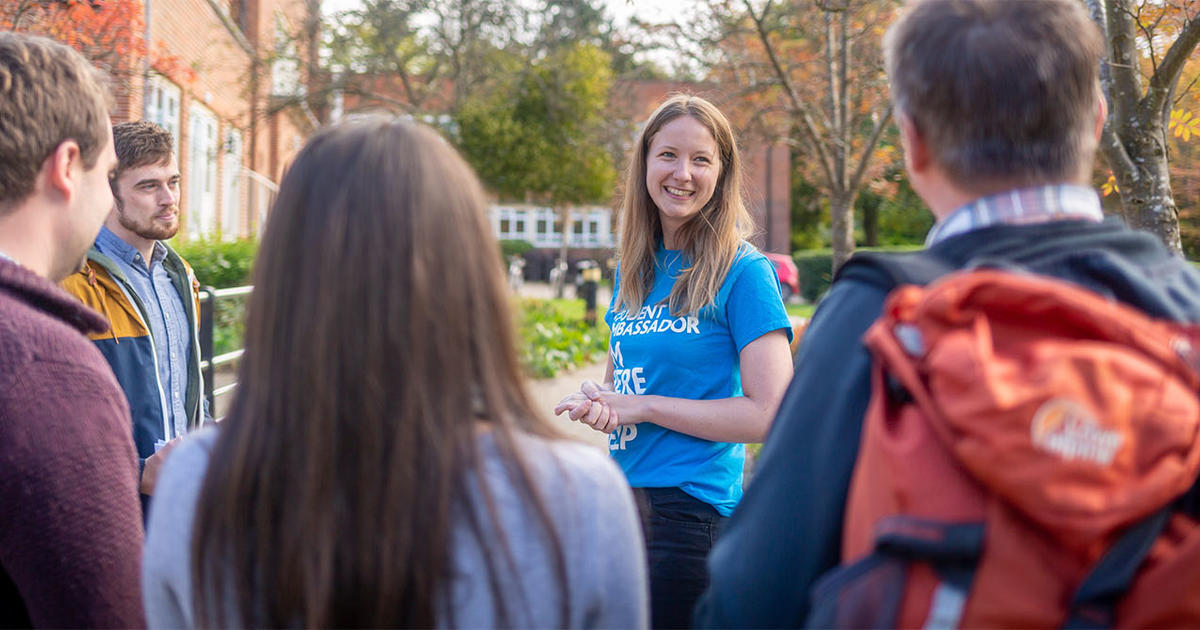
Visiting us is the best way to get a feel for student life at the University of Worcester.
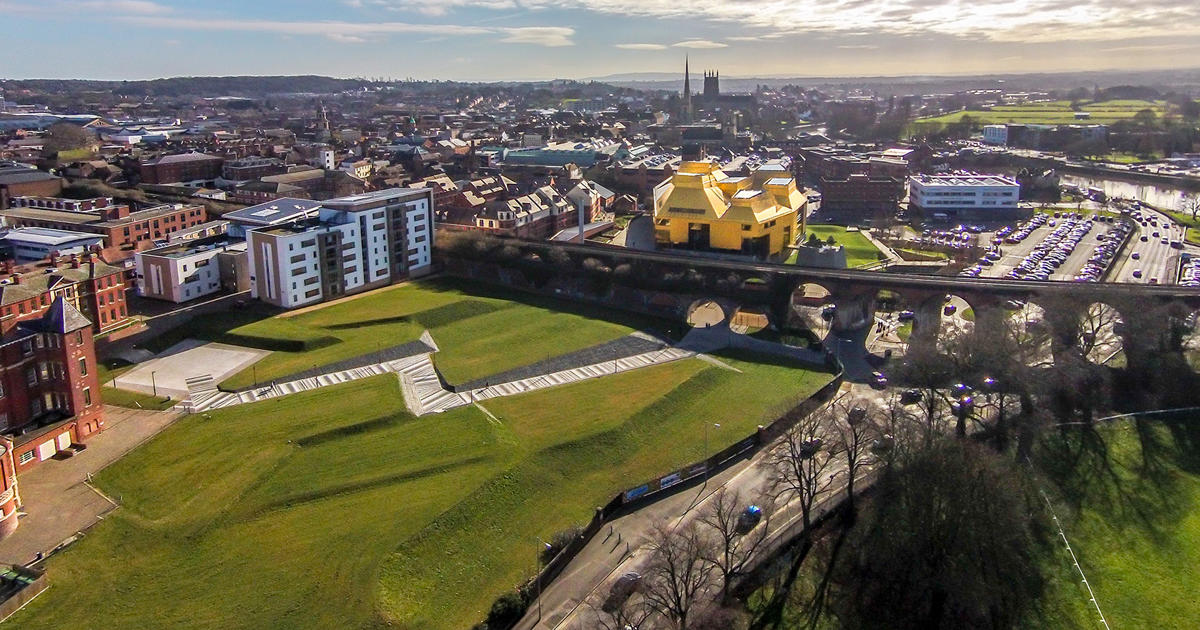
The City of Worcester
Worcester is a welcoming university city with great transport links and plenty of student parking.
Accommodation
Benefit from our accommodation guarantee. We have rooms on campus to suit every budget including en-suite options.