A pioneering leaflet tackling muscle dysmorphia in young people is now available to schools nationwide, thanks to a collaboration between a University of Worcester student and a leading expert.
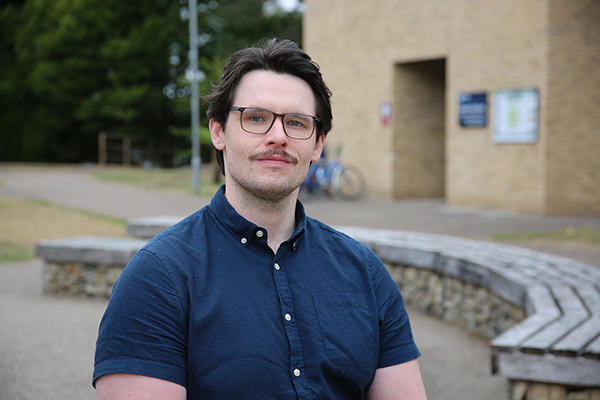 George Mycock
PhD student George Mycock collaborated on the leaflet, which aims to help young people and teachers spot and understand the body image disorder, and learn how to intervene and signpost people to support.
Developed in partnership with Jenny Tomei, Founder of JenUp, an organisation supporting people with eating disorders, the resource is now available online and has already been distributed to schools across the UK.
“My main hope is that this resource reaches young people who may be struggling but haven’t yet realised that help is available or that muscle dysmorphia is a recognised condition,” said George.
Muscle dysmorphia involves obsessive and compulsive thoughts about muscularity and being more muscular. Those affected tend to engage in excessive exercise and restrictive eating.
Having lived with eating disorders and body image issues, including muscle dysmorphia, for over a decade, George believes it’s vital to raise awareness in schools.
“Early intervention across eating or body image concerns tends to show better outcomes,” he said. “Also, appearance ideals, such as those often shown on social media, are one of the leading theories as to why people struggle with these issues and young people tend to be on social media more.”
George’s input was based on his own PhD research, which focuses on eating and body image disorders, particularly in men. In consultation with men affected, he recently produced bespoke guidance for charities and health services to help ensure that their materials on eating disorders would better engage men.
He used that knowledge to inform this latest resource, which can be accessed digitally or printed. George says muscle dysmorphia is shown in research to be more prevalent in men and boys.
“It’s very difficult to spot,” he said. “A classic trait looked for in eating disorders is people losing weight very rapidly and that isn’t always the case with muscle dysmorphia. Often, in fact, someone is gaining weight. Also, there’s a societal acceptance and assumption that being muscular must mean you’re healthy.”
He added: “A really big part of this project is starting conversations because I don’t think it’s talked about enough. The more we can get this into public knowledge, the more people will recognise if they or others are starting to go down that path.”
Jenny Tomei, Founder of JenUp, who worked with George on the project, said: “George’s input was incredibly valuable in developing our new resource on raising awareness about muscle dysmorphia among boys and girls.
Jenny added: “Like George I believe it’s vital to raise awareness in schools. I’ve noticed a significant rise in this issue within schools, particularly linked to gym culture and body image pressures among young people, so it was important to include George’s expert perspective.”
To access the resource, visit https://jenup.co.uk/resources-teachers/.