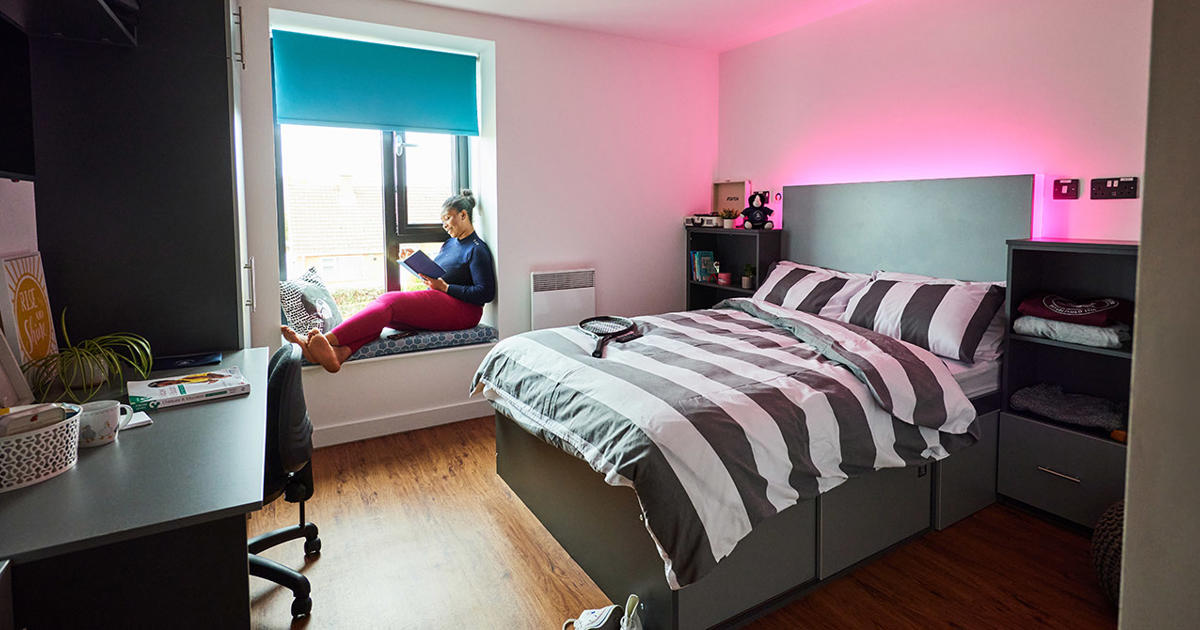
At Worcester, gain practical experience from day one. You’ll have opportunities to take part in work placements, volunteer projects and benefit from our strong employer links.
for Criminology teaching quality
Overview
On this course, you’ll explore the relationship between crime, justice, and politics, gaining insight into how political decisions shape criminal justice systems in the UK and globally. You’ll study why crime happens, its impact on victims and communities, and how societies respond through law, policy and governance. By combining criminology and politics, you’ll develop a unique perspective on how power, policy and social issues intersect, equipping you to critically analyse challenges such as justice reform, policing and global security.
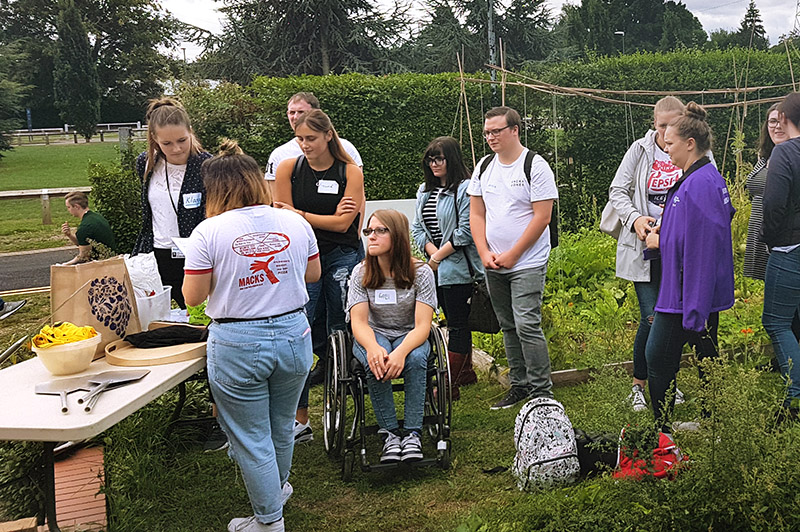
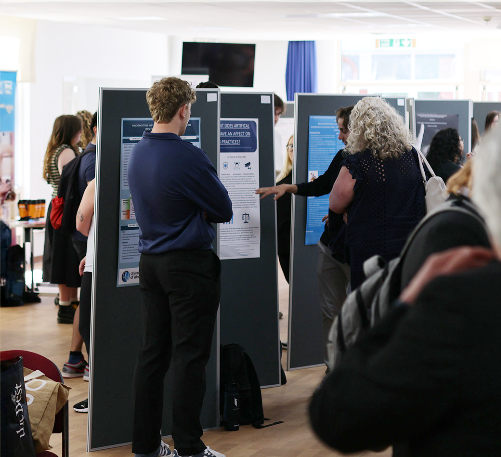
Learning is practical, interactive and designed to prepare you for your future career. You’ll hear from guest speakers, including professionals from the Prison Service, Crown Prosecution Service and Ministry of Justice. This gives you insights directly from experts who work within the justice system, offering real-world perspectives and practical knowledge that can enhance your understanding and career development. You'll have the opportunity to attend our annual trip to Parliament, go on field trips to courts and prisons bring theory to life, while opportunities for voluntary work with organisations such as West Mercia Police, National Probation Service and YMCA also help you build valuable experience. Through the Politics element of the course, we can also arrange opportunities for work experience within political parties, constituency offices and in Parliament, giving you first-hand insight into political processes and decision-making in practice.
In your final year, you have the opportunity to undertake a 6-week placement in a range of community-based organisations and client groups to practice how your classroom learning can be applied in a professional setting. You will also write your very own dissertation, a research project which allows you to take your interests further with a topic or genre of your choice. With expert guidance and hands-on experience, this is your opportunity to showcase your skills, deepen your expertise and prepare for the career you want.
Study abroad
You can choose to study abroad for a semester or a whole year. We have fantastic connections with criminology programmes in Malta, Scandinavia, and the USA, allowing you to travel and see how different countries approach criminal justice and rehabilitation.
Placement
In your third year, you can choose to take a 6-week placement as part of your studies. This gives you the chance to gain real-world experience and see how the knowledge and skills you've developed can be applied in the workplace. You'll also reflect on your experience to build your confidence, develop key professional skills, and prepare for your future career.
Course content
At Worcester, you can shape your Criminology with Politics BA to suit you, with a wide range of optional modules to choose from in your second and third years.
We regularly review our courses to reflect the latest research and developments in the subject area, as well as feedback from students, employers and the wider sector. As a result, modules may change to ensure the course remains current and relevant.
Optional modules will run if enough students choose to study them. It is not guaranteed that all modules will be offered every year.
Optional modules
Careers
Our course has been created with your employability in mind, equipping you with the skills and confidence to be successful in wide range of careers. You'll graduate with skills in critical thinking, research, analysis, communication, and policy evaluation, which are highly valued across a wide range of industries.
During the course, you’ll hear from guest speakers, including professionals from the Prison Service, Crown Prosecution Service, and Ministry of Justice. These sessions will help you build valuable industry connections and explore which career path suits you best. You’ll also have the chance to network with both criminology and politics students, expanding your professional circle and gaining diverse perspectives.
In addition, our Careers and Employability Service is here to support you every step of the way. They offer CV tips, interview advice, and regularly share job opportunities to help you take the next step toward your future career.
A degree in Criminology with Politics could be your first step toward a career as a:
- Solicitor
- Social worker
- Policy officer in the civil service
- Researcher or academic
- Social researcher
- Teacher
Opportunities to progress
Many of our graduates choose to continue their studies with a postgraduate qualification. At Worcester, you can specialise further with our Applied Criminology MA.
Course highlights



Teaching and assessment
Teaching will be delivered through a combination of guided lectures, independent study and one-to-one tutoring sessions.
Our course has been designed to prepare you for your future career, so evaluation is not all about exams. You’ll also be assessed through document analyses, article and book reviews, oral presentations, and blogs.
Teaching and assessment contents
We enable students to develop the independent learning capabilities that will equip you for lifelong learning and future employment, as well as academic achievement.
You are taught through a combination of interactive workshops, lectures, seminars and practical activities. The variety of formats are intended to enable the discussion and development of understanding of topics as well as the application of learning through group activities.
As part of your learning, you will also be asked to attend areas of the criminal justice system such as the Court, to observe the sector in an operational setting.
Teaching methods will be used such as problem-based learning, whereby students will apply theory and content from politics to address real-world, global issues (e.g. understanding Brexit, the rise of populist politics). Such global issues will be themes that run through the course.
In addition, meetings with personal academic tutors are scheduled on at least four occasions in the first year and three occasions in each of the other years of a course.
A mixture of independent study, teaching and academic support from Student Services and Library Services, and also the personal academic tutoring system enables you to reflect on progress and build up a profile of skills, achievements and experiences that will help you to flourish and be successful.
Meet the team
Get to know some of our passionate lecturers who teach on this course.

Dr Luke Devine
Luke's teaching specialisms include sociology of religion, political philosophy, antisemitism, Freud and psychoanalytic sociology, and Jewish history and literature.
His research is primarily focused on fin de siècle Anglo-Jewish literature, particularly Amy Levy, on representations of Shekhinah in Jewish mystical literature, and on Sociology of Religion.

Amy Johnson
Amy is a Senior Lecturer in Criminology at the University of Worcester, where she manages and oversees all undergraduate and postgraduate criminology programmes. Amy has worked with a wide range of client groups across criminal justice and support services, bringing a person-centred, empathetic approach to both practice and pedagogy.

Dr Isabel Gilbert
Isabel has a background in the heritage sector and has specialised in the relationship between interpretations of history and racism in contemporary society. She brings her knowledge of societal inequality, social justice, symbolism, politics and ideology, and the influence of popular culture to the subject of Criminology.
Isabel enjoys researching cultural conflict, social justice movements, reactionary politics and legacies of colonialism.
Dr Luke Devine
Luke's teaching specialisms include sociology of religion, political philosophy, antisemitism, Freud and psychoanalytic sociology, and Jewish history and literature.
His research is primarily focused on fin de siècle Anglo-Jewish literature, particularly Amy Levy, on representations of Shekhinah in Jewish mystical literature, and on Sociology of Religion.
Amy Johnson
Amy is a Senior Lecturer in Criminology at the University of Worcester, where she manages and oversees all undergraduate and postgraduate criminology programmes. Amy has worked with a wide range of client groups across criminal justice and support services, bringing a person-centred, empathetic approach to both practice and pedagogy.
Entry requirements
UCAS tariff points required: 112
| Qualification | Grade |
|---|---|
| A-level | BBC |
| BTEC National Extended Diploma | DMM |
| T-level | Merit |
We do accept Access to HE Diplomas and other qualifications which may not exactly match the combinations above. Work out your estimated points with the UCAS tariff calculator.
Any questions?
If you have any questions about entry requirements, please call our Admissions Office on 01905 855111 or email admissions@worc.ac.uk.
Fees
Fees contents
UK and EU students
The standard fee for full-time home and EU undergraduate students on BA/BSc/LLB degrees and FdA/FdSc degrees in the academic year 2027/28 is £10,050 per year.
Tuition fees are reviewed annually and may increase each year for both new and continuing students.
For more details on course fees, please visit our course fees page.
International students
The standard tuition fee for full-time international students enrolling on BA/BSc/LLB degrees and FdA/FdSc degrees in the academic year 2027/28 is £17,700 per year.
Tuition fees are reviewed annually and may increase each year for both new and continuing students.
For more details on course fees, please visit our course fees page.
How to apply
How to apply contents
Applying through UCAS
UCAS is the central organisation through which applications are processed for full-time undergraduate courses in the UK.
Read our how to apply pages for more information on the application process, or if you’d like to apply for part-time study.
Criminology with Politics BA (Hons) - L3L2
Contact
If you have any questions, please get in touch. We're here to help you every step of the way.
Admissions Office
admissions@worc.ac.uk01905 855111More to explore
Open Days
Visiting us is the best way to get a feel for student life at the University of Worcester.
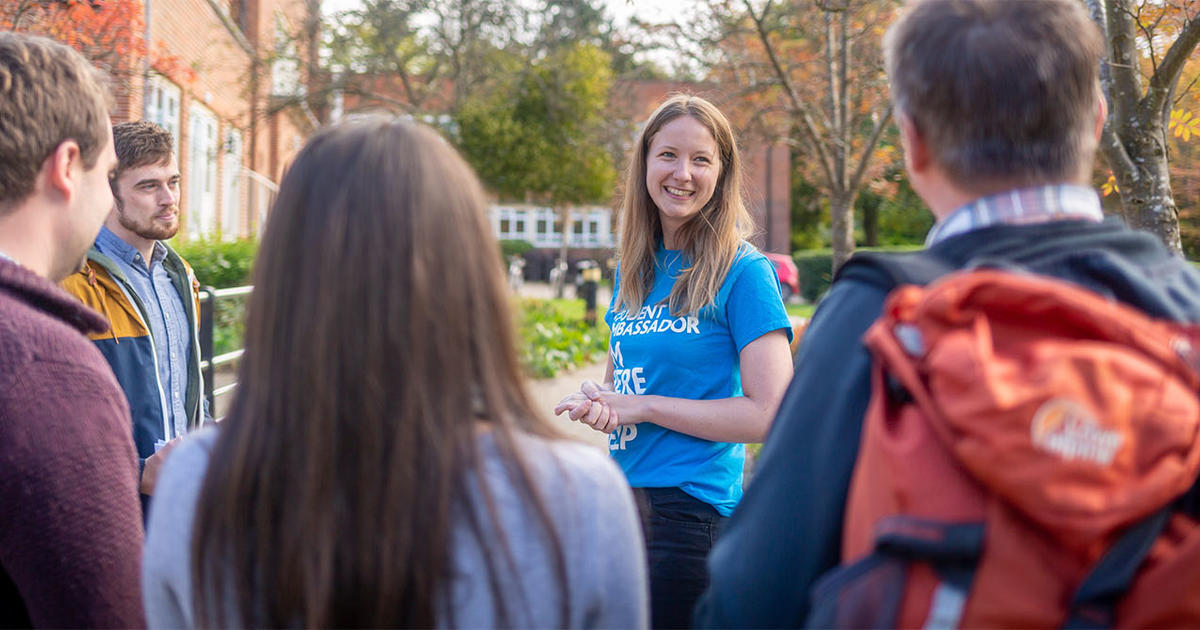
The City of Worcester
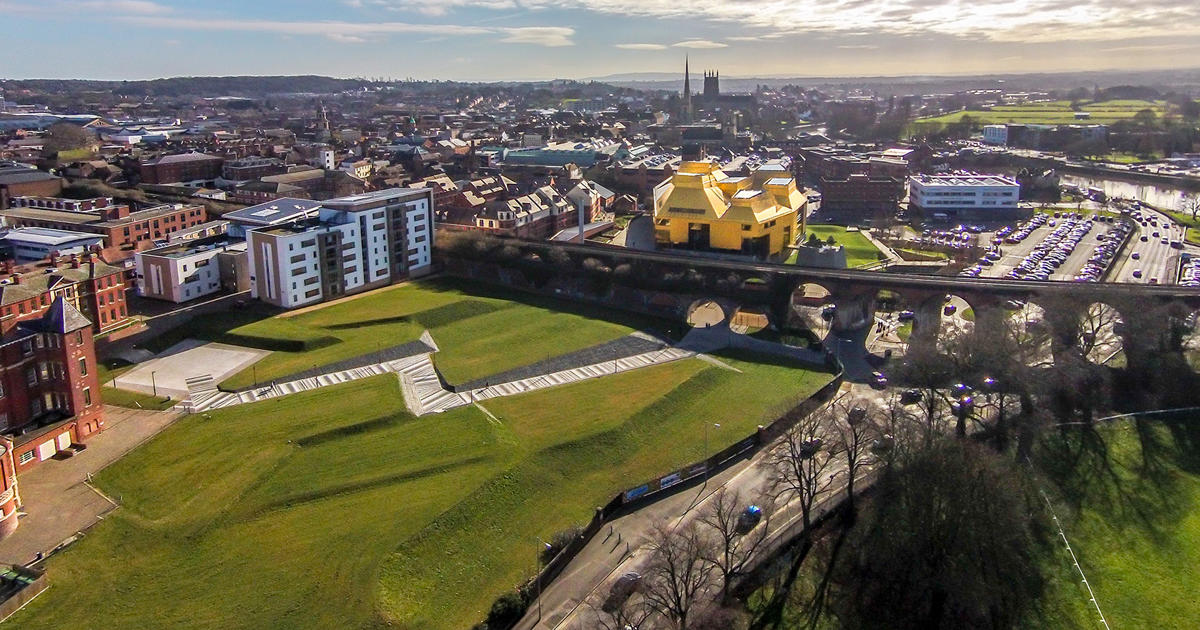
Worcester is a welcoming university city with great transport links and plenty of student parking.
Accommodation
Benefit from our accommodation guarantee. We have rooms on campus to suit every budget including en-suite options.