From Sixth Form to University, What's Actually Different?
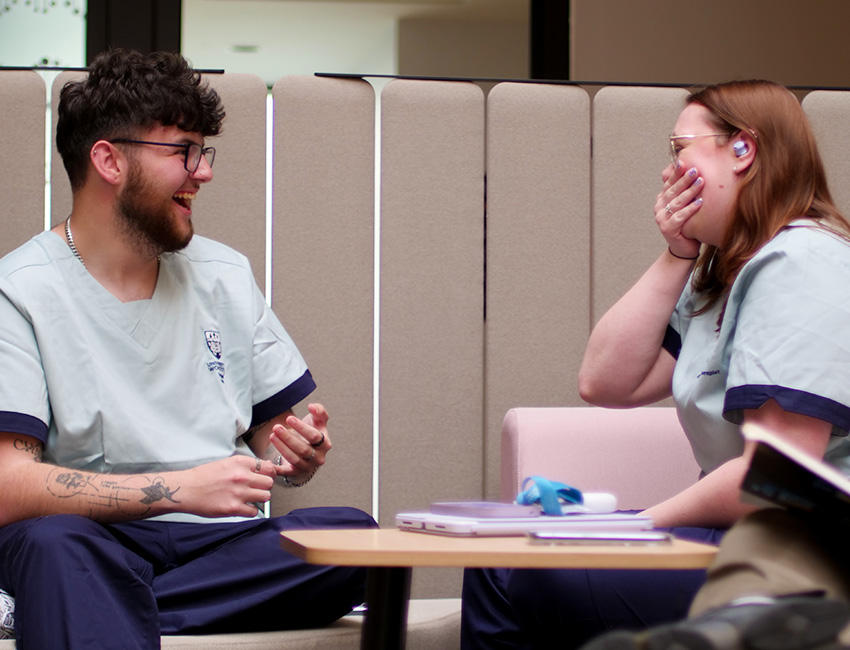
Going from sixth form to university can be a big change. Knowing what to expect, and understanding some of the differences between the two, can make the transition a little easier.
For me, starting university was also a chance for a fresh start. I loved meeting people from all over the UK and even from different parts of the world. It was exciting being somewhere where lots of people were starting something new at the same time, and I quickly found that university gave me opportunities to try things I probably wouldn't have considered before.
The way you learn
One of the biggest changes I noticed was the style of learning. After doing my A-levels in a fairly traditional classroom environment, I was initially worried about how I would cope with the amount of content at university.
Lectures are probably what most people think about when they think of university. They are definitely an important part of many courses, including mine, but they aren't the only type of session you will have.
There can also be seminars, which are usually smaller group sessions where you can discuss topics in more detail and ask questions. Depending on your course, you might also have practical sessions, clinical practice, scenarios or other types of teaching.
For me, a big part of my course has been lab sessions. These are quite different from sitting in a classroom because you get to put what you have learnt into practice. They also give you the opportunity to learn from mistakes, which brings me onto another big difference between sixth form and university: independence.
Independence
At university, you are treated like the adult you are. You often don't need to ask permission to go to the bathroom, and if you need to leave a lecture for a minute, it's not the end of the world! This definitely took me a while to get used to.
You also have much more responsibility for your own learning. In my lab sessions, for example, we are given the independence to use equipment and carry out practical work ourselves, but we are also allowed to make mistakes and learn from them.
I will now always check that I have added enough agarose to make sure my agarose gel actually sets. That was a funny mistake!
This independence is something I have really come to enjoy about university. You have more freedom to decide how you approach your learning and how you organise your time, but that also means you have to take responsibility for it.
From handwritten notes to a laptop
Something I never expected to change was how I take notes.
Before university, I was definitely one of those people who preferred to handwrite everything. In fact, I didn't even have a laptop before I started university!
Now, I use my laptop all the time. I find it much easier to keep up with lectures, organise my notes and add information as I go. When you have lots of lecture slides, notes and additional reading, being able to keep everything in one place is really useful.
Calling lecturers by their first names

Another difference that took me a while to get used to was calling lecturers by their first names instead of "Sir" or "Miss".
At first, it felt very strange, but now I actually really like it.
Your lecturers are incredibly knowledgeable about their subjects, but they are also constantly learning themselves. Research develops, new discoveries are made and our understanding of different topics changes. University feels less like someone simply telling you what you need to know and more like they are sharing their knowledge and experience with you.
I've found that this has become even more noticeable as I've progressed through university. By third year, I have found myself sending lecturers an interesting study I've read or sharing something I've learnt through further reading, and they are often just as interested in discussing it with me.
Pre-reading and further reading
This brings me onto another difference: pre-reading and further reading.
Pre-reading is often set before a lecture or other teaching session. It is there to give you some background knowledge and help you understand what the session will be about.
Further reading is slightly different. Rather than just reading what you have been told to read, you can explore the subject yourself. You might find a particular part of a lecture interesting and decide to learn more about it, or look at how different topics are connected.
I actually really enjoy this part of university because it means you can follow your own interests. You aren't limited to exactly what is covered in the lecture.
Studying one subject
At sixth form, you might study three or four different subjects at the same time. At university, most students focus on one main subject because of the amount of depth and detail involved.
There are exceptions, such as joint honours courses or courses where you can have a major and minor, although this depends on the university and the course.
I personally prefer being able to focus on one subject. It means I can study something I'm genuinely interested in and explore it in much more depth than I could at sixth form.
Managing your own time
Something that definitely helps develop your time management and organisation skills at university is having to manage your own coursework and revision.
At sixth form, you might be reminded regularly that you have a piece of coursework coming up or an exam to revise for. At university, your lecturers aren't going to constantly remind you.
It is your responsibility to make sure you know when your assignments are due, when your exams are and what you need to do to prepare for them. I found this took some getting used to, but it has helped me become much more organised.
Making friends

One thing I actually found easier at university was making friends.
University was much bigger than my Sixth Form, but I think that actually helped. There were so many different people to meet, which meant there were lots of opportunities to find people with similar interests.
You also don't necessarily make friends with people on your course. Some of my friends aren't on the same course as me and aren't even in the same year. I think that's one of the biggest differences from sixth form, where you tend to see the same people in your classes every day.
At university, you can keep meeting new people throughout your whole degree. You might meet someone through a society, at an event, during Welcome Week, or just by chance. I've definitely met people at university who I think will be friends for life.
Getting involved
The amount of clubs and societies at university is another big difference. There are so many opportunities to try something new, even if you've never done it before.
I've tried trampolining, joined Spotlight the theatre society, and started learning BSL. Some of these were completely new experiences for me, but that's what I like about university. You don't have to be good at something or have done it before to give it a go.
Welcome Week was also a really important part of settling into university for me. Getting involved in the activities gave me the chance to meet people, and some of the people I met during those first few weeks are still people I talk to now, even in my final year.
The support available
Another thing that made the transition to university easier for me was the support available.
There are lots of opportunities to meet people and get involved without it always being about studying. At the University of Worcester, things like the Fancy a Cuppa sessions at firstpoint, and even getting to see the therapy dogs gave me opportunities to take a break, meet people and feel part of university life.
These things might sound small, but when you're starting somewhere completely new, having those opportunities can make a big difference.
So, what's actually different?
For me, university is very different from sixth form, but in a way that I've really enjoyed.
There is more independence, more responsibility and more depth to your subject, but there are also more opportunities. You can meet people from all over the world, try societies you've never considered before, explore subjects you're genuinely interested in and make friends with people you might never have met otherwise.
University isn't just about moving from sixth form lessons to university lectures. It's also about learning how you work best, becoming more independent, discovering new interests and meeting people who can become a big part of your life.
If you're currently in sixth form and wondering what university will actually be like, my biggest piece of advice would be not to worry about having everything figured out before you arrive.
You will learn as you go, and you might be surprised by what you end up enjoying.
Blog uploaded: 08/10/2026