Whether you're fascinated by human behaviour, social structures or the forces that shape our lives, this course allows you to explore these interests in depth. Workshops, lectures and applied learning experiences will help you develop valuable professional skills that prepare you for a wide range of careers.
for Psychology and health assessment and feedback
our Sociology courses are top 20 in the UK for student satisfaction
Overview
If you’re curious about why people behave the way they do, as individuals and as part of society, this course brings the two together. Studying Psychology and Sociology helps you understand everyday experiences, social issues and human behaviour, and shows how thoughts and feelings connect to the world around us.
On the course, you’ll study how the brain works, how people think and learn, and how behaviour develops across the lifespan. At the same time, you’ll examine real‑world social issues such as identity, education, crime, power and inequality. Bringing these perspectives together helps you see how individual experiences are shaped by wider social structures, and encourages you to think more critically about society and your own role within it.
Learning is hands‑on and varied. You’ll work in computer labs to gather evidence and test ideas, and you’ll learn how to design studies, analyse data and interview people to better understand their experiences. These practical skills will help you build confidence and prepare you for your future career.
Throughout your studies, you’ll be supported with regular feedback, small‑group tutorials and guidance that links your learning to your future plans. You’ll also have opportunities to attend course‑related talks and join the Worcester Psychiatry Society, where you can connect with other students and health professionals. These experiences help you gain confidence, build experience and make valuable connections beyond the classroom.
By graduation, you’ll have developed critical thinking, communication and analytical skills that prepare you for careers in psychology, social research, education and community work.
Placements
In your second year, you’ll have the chance to take a work placement module, giving you the opportunity to put what you’ve learned into practice in a real‑world setting. Placements can be paid or voluntary and allow you to gain valuable experience in a professional environment while building your confidence and employability.
You can apply for placements with a wide range of local and national organisations, including the NHS, the British Psychological Society (BPS), West Mercia Police, Hereford & Worcestershire Fire and Rescue Service, Worcestershire County Council and HMP Aylesbury.
Previous students have also completed placements in schools, charities, community groups and arts and heritage settings. These experiences help you develop practical skills, explore potential career paths and make informed decisions about your future after graduation.
Course content
Each year you will study a mix of mandatory and optional modules. This flexible course lets you choose optional modules to match your interests and career ambitions.
We regularly review our courses to reflect the latest research and developments in the subject area, as well as feedback from students, employers and the wider sector. As a result, modules may change to ensure the course remains current and relevant.
Optional modules will run if they receive enough interest. It is not guaranteed that all modules will run every year.
Careers
You’ll be supported to think about your future from the very start of the course. Through your modules, you’ll develop practical skills, reflect on real‑world issues and start building experience that links directly to possible careers. You’ll also have chances to hear from professionals working in psychology, sociology and related fields, helping you understand what different jobs are really like and which pathways might suit you.
To help you prepare for life after graduation, you’ll be able to take part in workshops on CV writing, interview skills and recruitment processes. You’ll also have opportunities to meet guest speakers and visit potential employers, giving you insight into working life and helping you build professional contacts.
Our graduates have gone on to careers such as:
- Assistant psychologist
- Support worker
- Digital mental health
- Wellbeing consultancy
- Police officer
- Social work
- Research
Opportunities for further study
After completing your degree, you may choose to continue your studies at Worcester with a range of postgraduate options.
Some graduates choose to progress to our MSc Psychology, which provides the Graduate Basis for Chartership (GBC) with the British Psychological Society, a step toward professional training in areas such as clinical, counselling, occupational or educational psychology.
If you decide to specialise further you may study:
- PGCE Secondary Psychology (Teacher Training)
- Occupational Psychology MSc
- Business Psychology MSc
- Counselling MSc
- Psychology MPhil/PhD
These options allow you to build on the knowledge and skills developed during your degree and work towards careers in areas including therapy, research, education and applied psychology.
Course highlights


Teaching and assessment
Teaching will be delivered through a combination of guided lectures, independent study, and one-to-one tutoring sessions. Through a blend of taught classes, work-based learning, and assessments, you will develop the skills and experience needed to progress into a wide range of roles.
Teaching and assessment contents
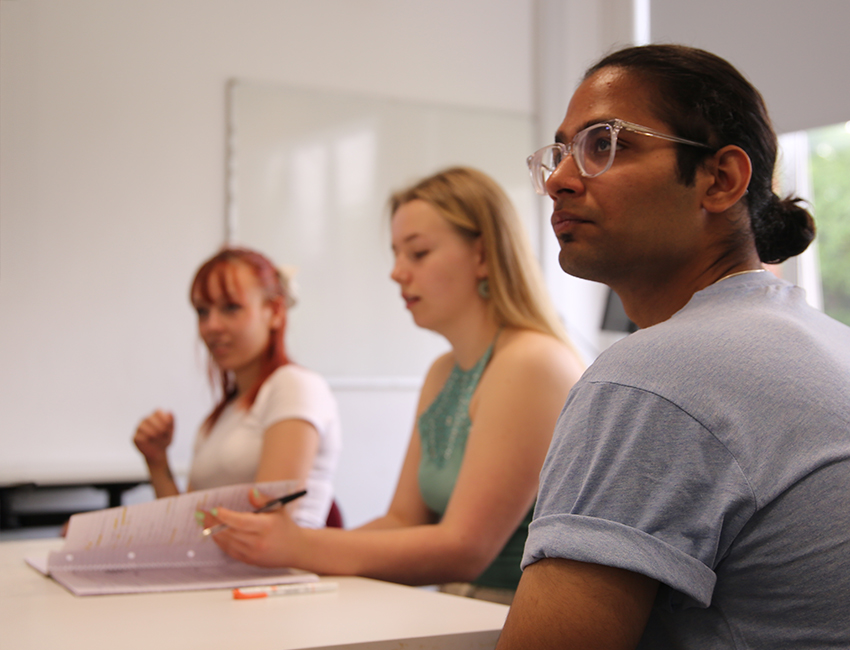
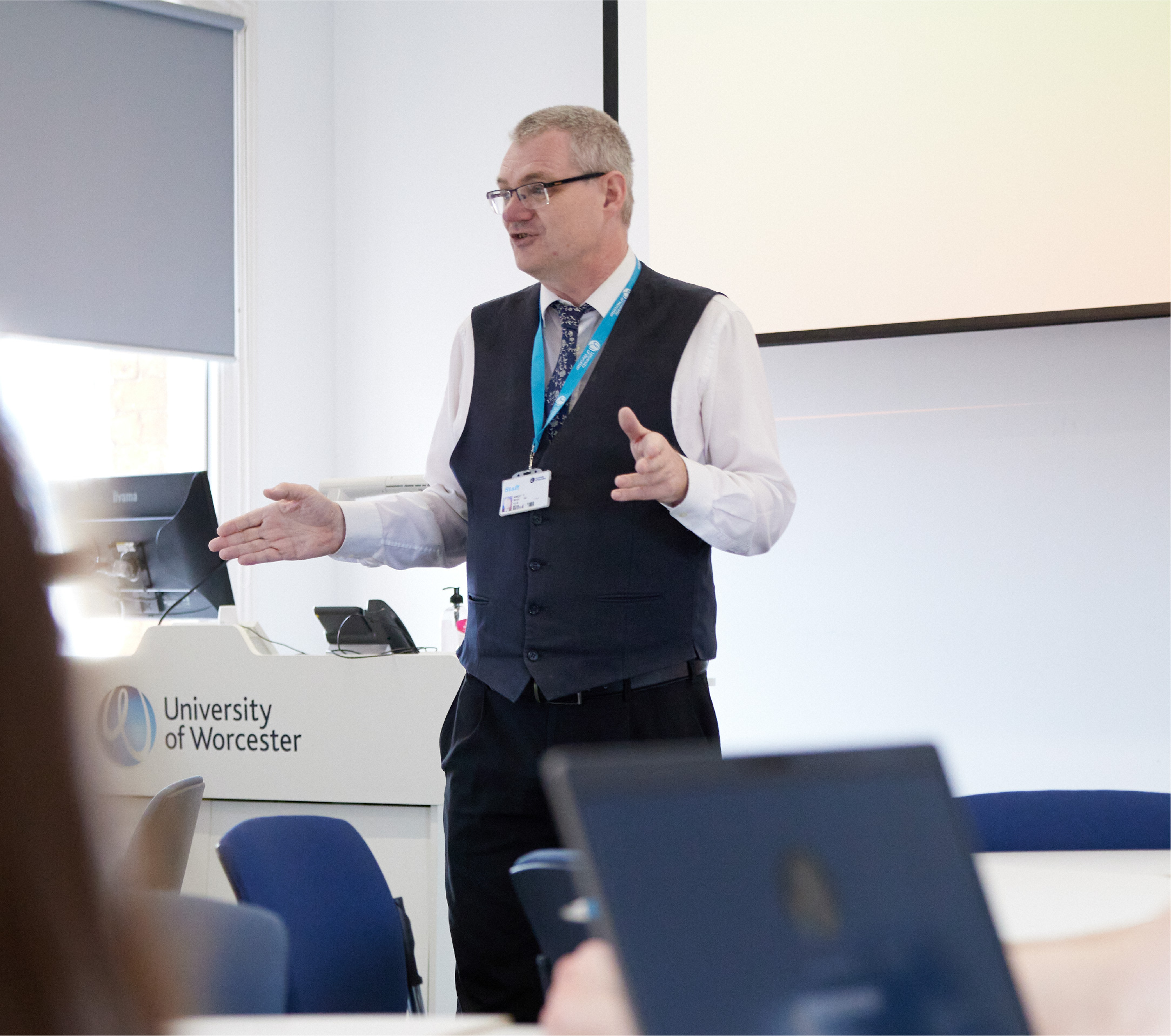
You’ll learn through a mix of lectures, interactive seminars, practical classes, computer lab work and workshops. Lectures introduce core ideas from psychology and sociology using both classic theories and contemporary examples, while seminars encourage discussion and student‑led learning.
Practical sessions and workshops help you apply theory in practice, develop research, writing and employability skills and become an independent learner with close tutor support.
Meet the team
Get to know a few of the lecturers you'll be learning with.
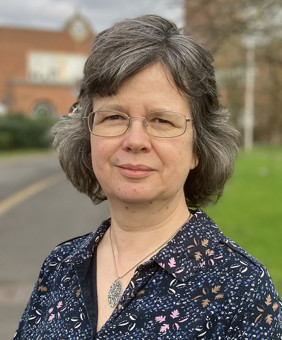
Dr Jenny Lewin-Jones
Jenny teaches in Sociology, with particular interests in environmental and digital sociology, education, and emotions. Her research focuses on the role of language in social change.

Dr Jack Brimmell
Jack has previously worked with elite sporting organisations (i.e., the Premier League, the RFU and professional Women’s football teams) to try and use sport psychology to enhance performance. Jack is published in a number of top level sport psychology journals and is also reviewing work for these journals.
He is predominately interested in how feelings of anxiety and stress can disrupt attentional control and perceptual-cognition during pressurised sport performance.

Dr Daniel Farrelly
Daniel is a principal lecturer in psychology. He obtained his BSc (hons) in psychology from Liverpool University in 1999, followed by an MSc in evolutionary psychology from Liverpool University in 2000. He gained his PhD in Psychology, studying the evolution of human cooperation, from Newcastle University in 2005. Previously, he has held research positions at Plymouth, Newcastle and Edinburgh Universities, and a lectureship at Sunderland University before joining Worcester as a senior lecturer in 2014.
Dr Jenny Lewin-Jones
Jenny teaches in Sociology, with particular interests in environmental and digital sociology, education, and emotions. Her research focuses on the role of language in social change.
Dr Jack Brimmell
Jack has previously worked with elite sporting organisations (i.e., the Premier League, the RFU and professional Women’s football teams) to try and use sport psychology to enhance performance. Jack is published in a number of top level sport psychology journals and is also reviewing work for these journals.
He is predominately interested in how feelings of anxiety and stress can disrupt attentional control and perceptual-cognition during pressurised sport performance.
Entry requirements
UCAS tariff points required: 112
| Qualification | Grade |
|---|---|
| A-level | BBC |
| BTEC National Extended Diploma | DMM |
| T-level | M |
We do accept Access to HE Diplomas and other qualifications which may not exactly match the combinations above. Work out your estimated points with the UCAS tariff calculator.
Any questions?
If you have any questions about entry requirements, please call our Admissions Office on 01905 855111 or email admissions@worc.ac.uk.
Fees
Fees contents
UK students
The standard tuition fee for full time UK students enrolling on a PGCE in the academic year 2027/28 is £10,050 per year.
Tuition fees are reviewed annually and may increase each year for both new and continuing students.
For more details on course fees, please visit our course fees page.
International and EU students
The standard tuition fee for full-time international and EU students enrolling on a PGCE in the academic year 2027/28 is £18,900 per year.
*Please note that for EU students who are not in receipt of a UK government bursary/scholarship package, the fee for the academic year 2027/28 is £10,050 per year.
Tuition fees are reviewed annually and may increase each year for both new and continuing students.
For more details on course fees, please visit our course fees page.
How to apply
How to apply contents
Applying through UCAS
UCAS is the central organisation through which applications are processed for full-time undergraduate courses in the UK.
Read our how to apply pages for more information on the application process, or if you’d like to apply for part-time study.
Psychology and Sociology BA/BSc (Hons) - CL83
Contact
If you have any questions, please get in touch. We're here to help you every step of the way.

Admissions Office
admissions@worc.ac.uk01905 855111More to explore
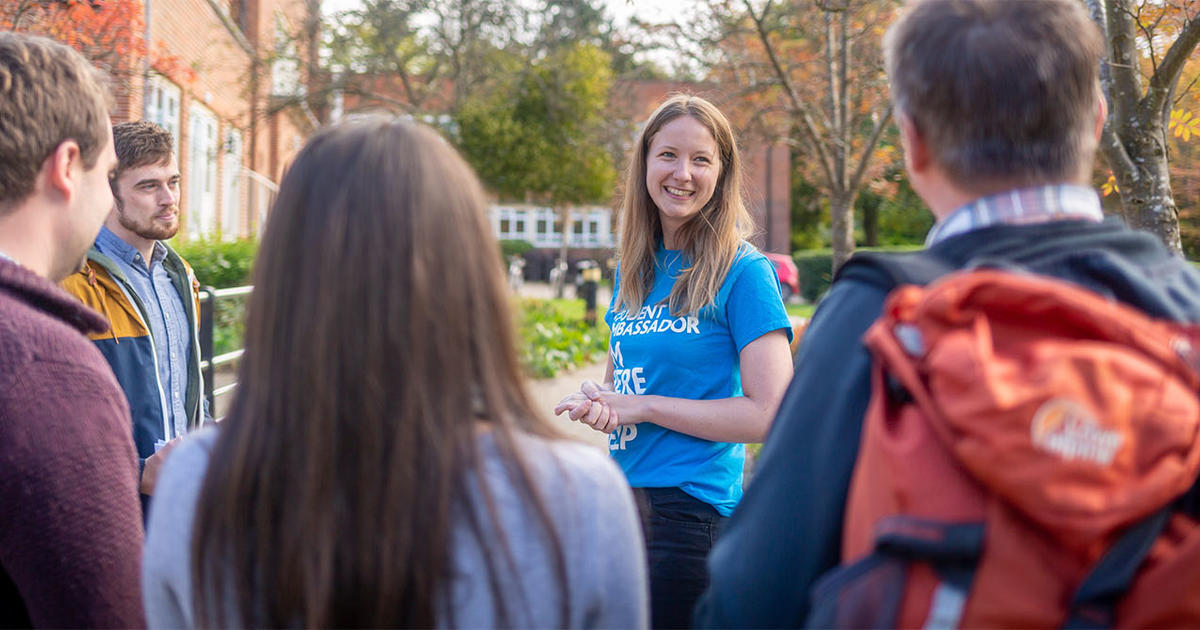
Open Days
Visiting us is the best way to get a feel for student life at the University of Worcester.
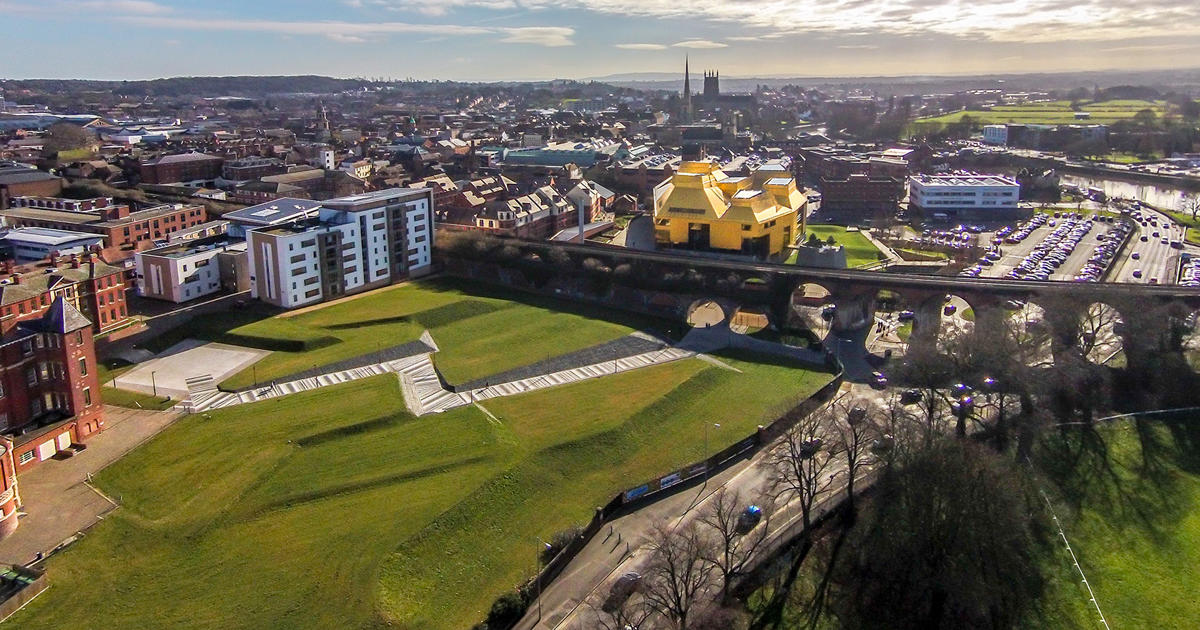
The City of Worcester
Worcester is a welcoming university city with great transport links and plenty of student parking.
Accommodation
Benefit from our accommodation guarantee. We have rooms on campus to suit every budget including en-suite options.