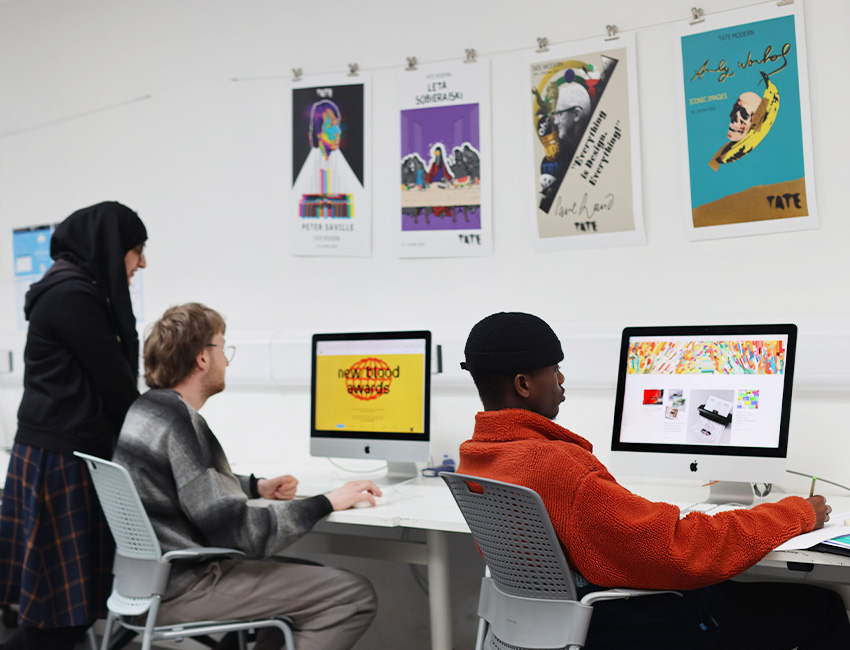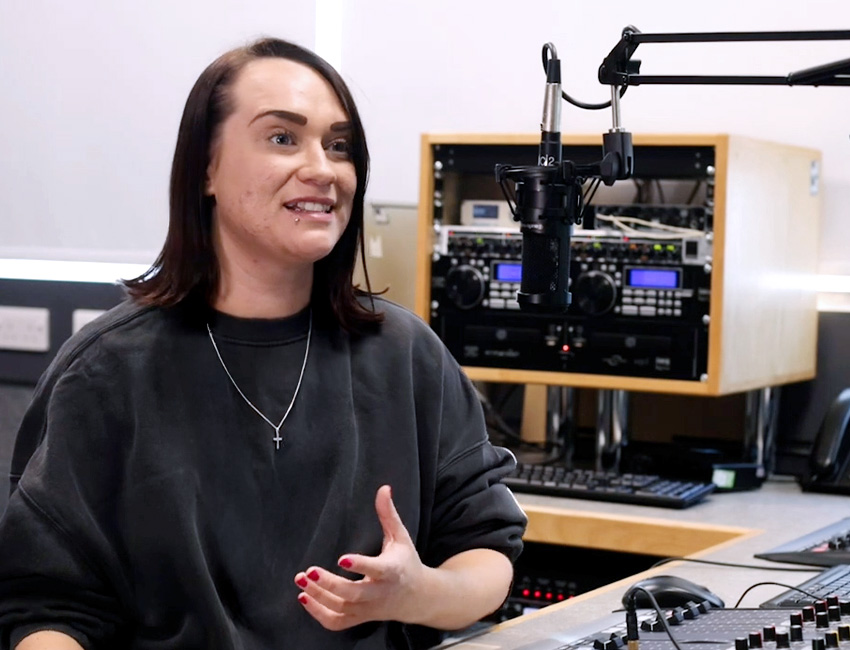
At Worcester, you'll put your skills into practice through work placements and real-world projects. By the time you graduate, you'll have gained valuable industry experience, built professional connections and developed a portfolio that reflects your abilities.
Overview
Great stories deserve to be shared. By combining Digital Content Creation and Journalism, you'll learn how to research, develop and communicate stories that inform, engage and inspire audiences.
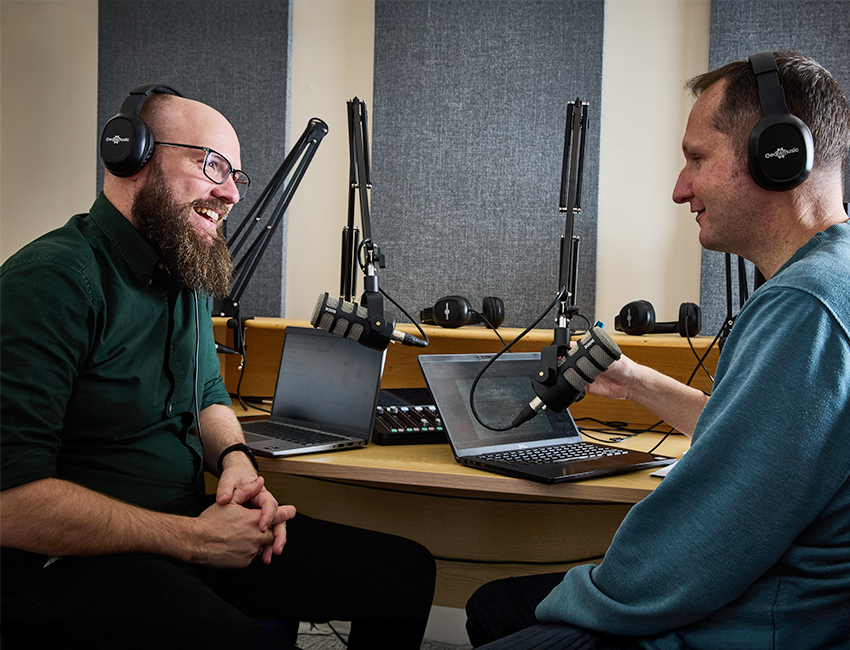
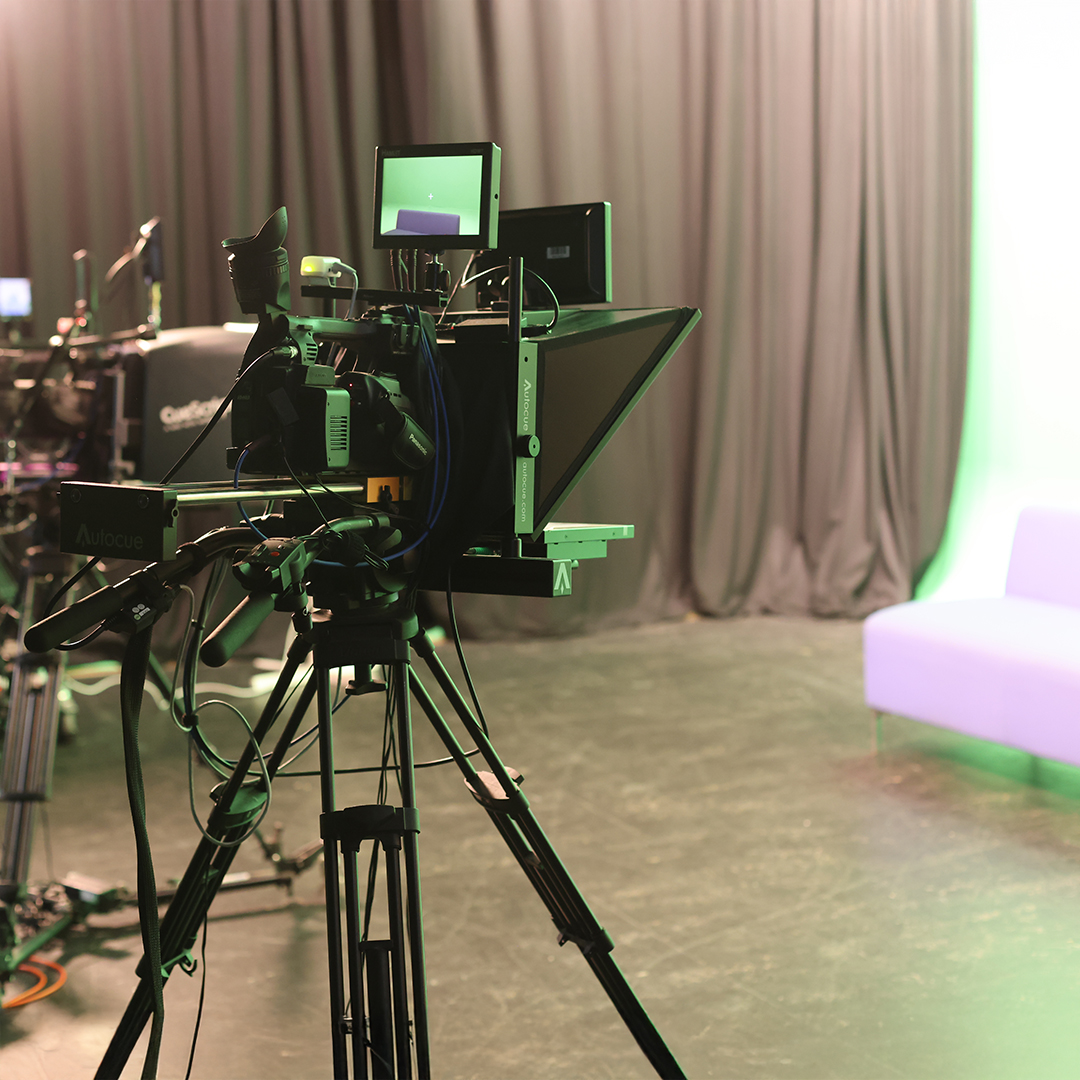
You'll develop practical skills in writing, interviewing, video production, photography, podcasting and social media, learning how to create content for websites, publications and digital channels. You'll spend time in TV, radio, podcast and photography studios, creating content while exploring how new technologies are transforming the media industry and what that means for journalists and content creators.
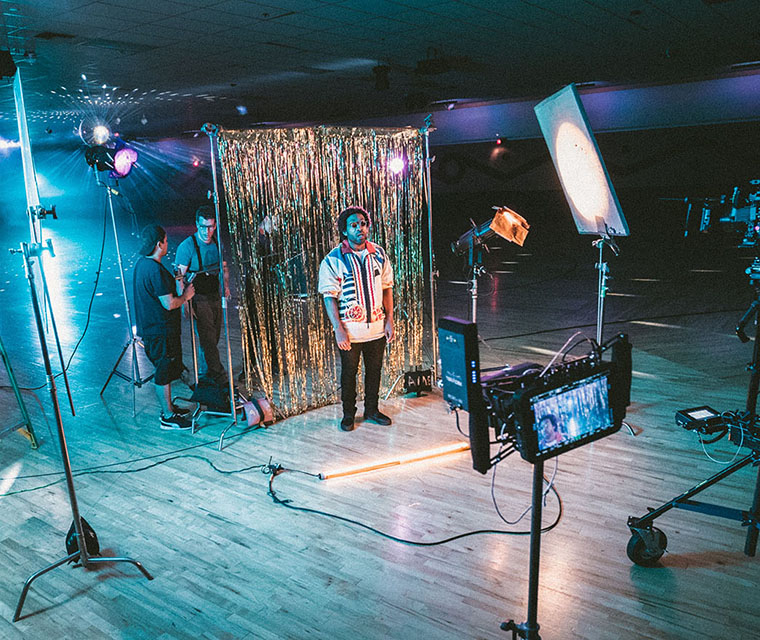
Throughout the course, you'll learn from experienced media professionals and work on projects based on real-world challenges. From pitching stories and producing podcasts to creating social media campaigns and responding to live briefs, you'll build a professional portfolio that showcases your creativity and skills.
You'll also explore media law, ethics and audience behaviour, helping you become a confident content creator and journalist who can communicate responsibly in a rapidly changing industry.
Work placements
Real-world experience is an important part of this course. You'll work with industry professionals through guest talks, mentoring opportunities, live briefs and employer-led projects, helping you build practical skills and professional contacts.
In your final year, you'll have the option to complete a work placement module, applying your content creation skills in a professional setting. Alongside placements, you'll build your portfolio through industry projects and collaborations with organisations such as the BBC and regional PR agencies.
Course content
We regularly review our courses to reflect the latest research and developments in the subject area, as well as feedback from students, employers and the wider sector. As a result, modules may change to ensure the course remains current and relevant.
Optional modules will run if enough students choose to study them. It is not guaranteed that all modules will be offered every year.
Careers
Whether you want to tell important stories, grow audiences or create engaging digital content, this course will help you build the skills, experience and portfolio needed to take the next step towards your chosen career.
Through live briefs, industry projects, employer engagement and work placement opportunities, you'll gain real-world experience while building a professional portfolio that showcases your journalistic and creative work.
You could go on to work as a:
- Digital content creator
- Journalist
- Broadcast journalist
- Podcast producer
- Social media manager
- Content producer
- Copywriter
- Communications specialist
- Public relations executive
- Digital marketing executive
- Documentary maker
- Content strategist
If you'd like to work for yourself, this course will help you develop the confidence, professional skills and industry knowledge needed to work as a freelancer or establish your own media or content creation business.
You may also wish to continue your studies through postgraduate courses in areas such as journalism, digital media, communications and creative media, including our Creative Media MA, Film MRes, Cultural Studies MA and Media and Culture MRes.
Course highlights
Teaching and assessment
Develop the skills to find great stories and bring them to life. Through a combination of lectures, workshops, newsdays and practical production sessions, you'll learn how to create content for digital audiences while developing the research, writing and reporting skills at the heart of journalism. Assessments are designed to reflect industry practice, helping you build a professional portfolio of creative and journalistic work throughout your degree.
Teaching and assessment contents
Digital Content Creation and Journalism combines creative content production with the skills needed to research, develop and share accurate, engaging stories. You'll learn how to create content for a range of audiences and platforms, while exploring how journalism informs public understanding and shapes conversations.
Most topics are introduced through lectures, discussions and demonstrations before being put into practice in workshops, studios, newsdays and live project settings. You might be producing videos, podcasts, photography, social media content or written articles, while developing the skills to investigate stories, interview contributors and communicate information clearly and responsibly.
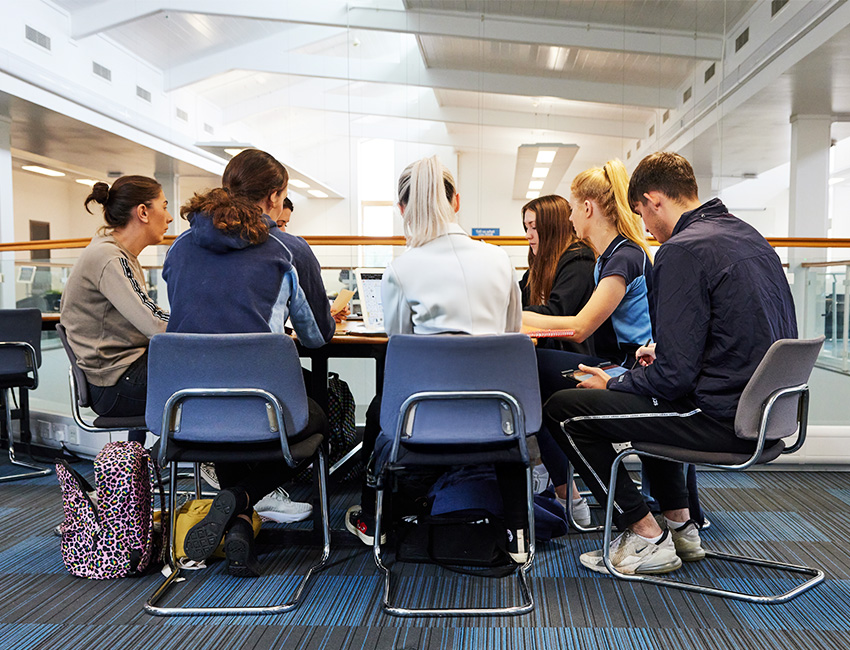
Throughout the course, you'll work on individual and group projects that reflect professional creative and media environments. You'll learn how to develop ideas, understand audiences, respond to real-world briefs and create content that informs, engages and inspires.
You'll also explore the legal, ethical and social issues that affect journalists and content creators today, including the responsible use of AI and emerging technologies. We aim to create a supportive and inclusive learning environment where you'll feel confident sharing ideas, asking questions and developing your own voice.
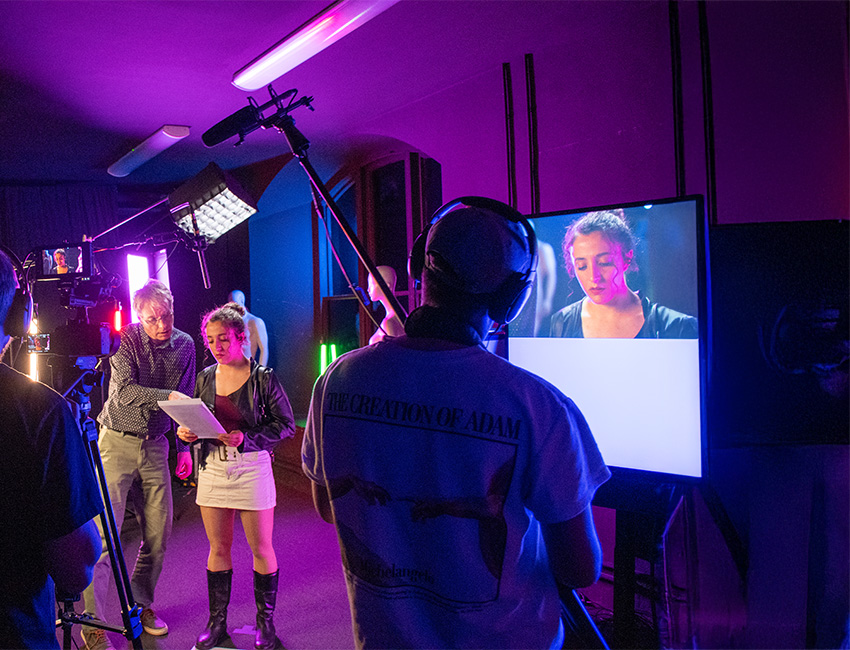
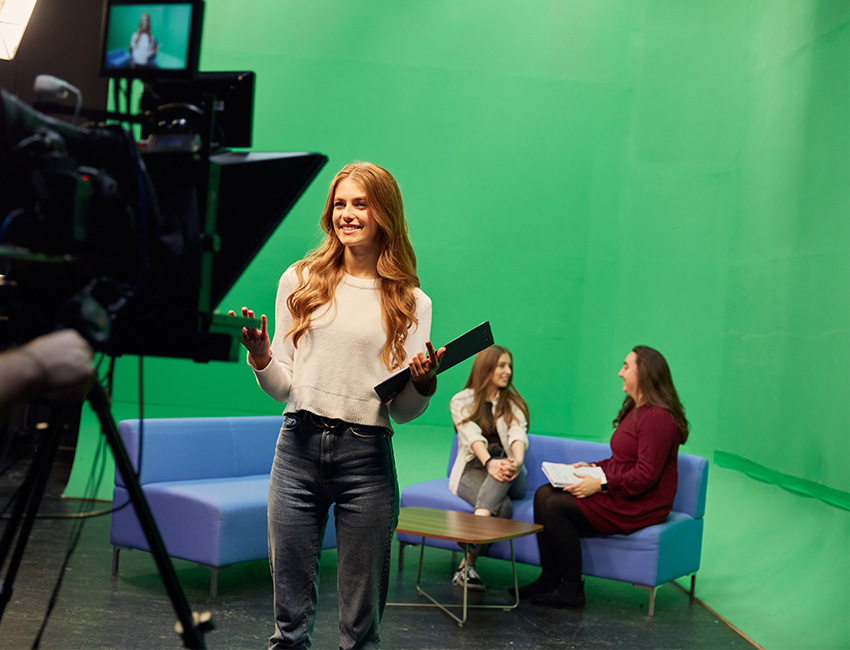
You'll use industry-standard equipment and software throughout the course, with access to specialist facilities including TV, radio, photography and podcast studios.
From your first week, you'll be assigned a Personal Academic Tutor (PAT) who will support you throughout your degree. You'll have regular one-to-one and group tutorials each year, and you can contact your tutor whenever you need additional guidance or support.
Entry requirements
UCAS tariff points required: 104
| Qualification | Grade |
|---|---|
| A-level | BCC |
| BTEC National Extended Diploma | DMM |
| T-level | Merit |
We do accept Access to HE Diplomas and other qualifications which may not exactly match the combinations above. Work out your estimated points with the UCAS tariff calculator.
Any questions?
If you have any questions about entry requirements, please call our Admissions Office on 01905 855111 or email admissions@worc.ac.uk.
Fees
Fees contents
UK and EU students
The standard fee for full-time home and EU undergraduate students on BA/BSc/LLB degrees and FdA/FdSc degrees in the academic year 2027/28 is £10,050 per year.
Tuition fees are reviewed annually and may increase each year for both new and continuing students.
For more details on course fees, please visit our course fees page.
International students
The standard tuition fee for full-time international students enrolling on BA/BSc/LLB degrees and FdA/FdSc degrees in the academic year 2027/28 is £17,700 per year.
Tuition fees are reviewed annually and may increase each year for both new and continuing students.
For more details on course fees, please visit our course fees page.
How to apply
How to apply contents
Applying through UCAS
UCAS is the central organisation through which applications are processed for full-time undergraduate courses in the UK.
Read our how to apply pages for more information on the application process, or if you’d like to apply for part-time study.
Digital Content Creation and Journalism BA (Hons) - WP25
Contact
If you have any questions, please get in touch. We're here to help you every step of the way.
Admissions Office
admissions@worc.ac.uk01905 855111More to explore
Open Days
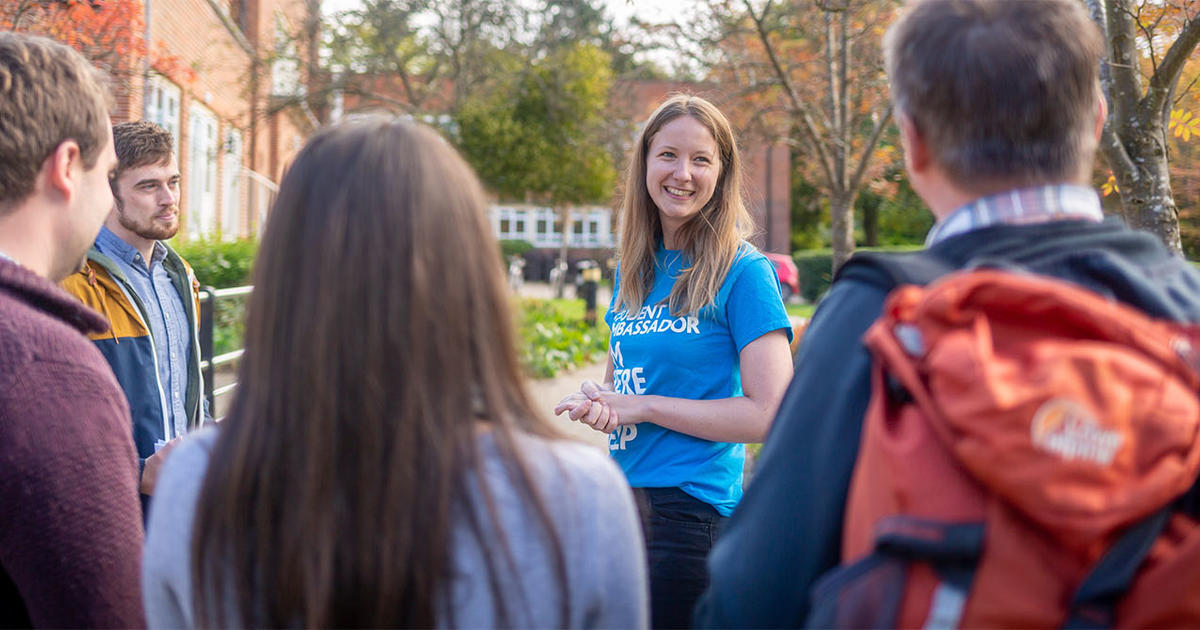
Visiting us is the best way to get a feel for student life at the University of Worcester.
The City of Worcester
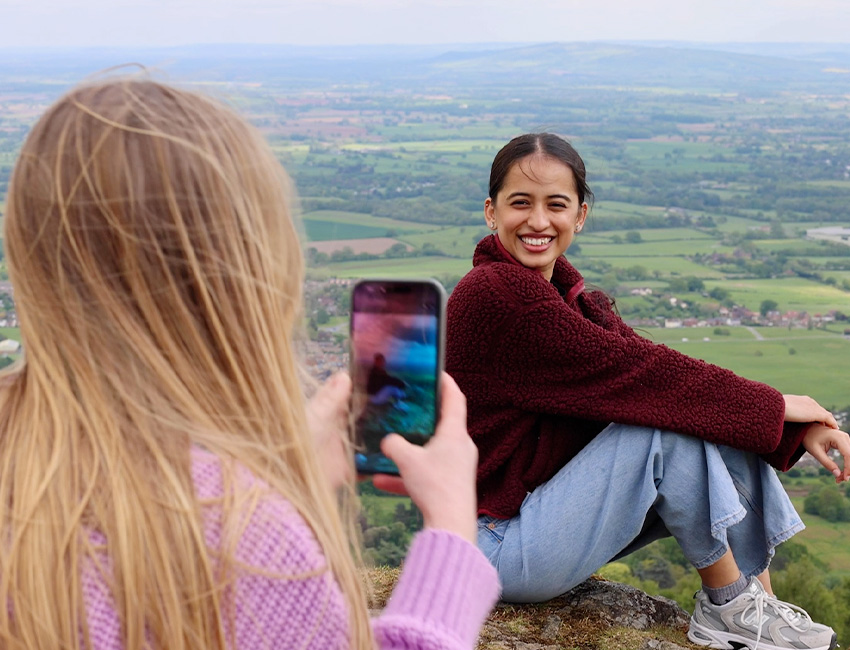
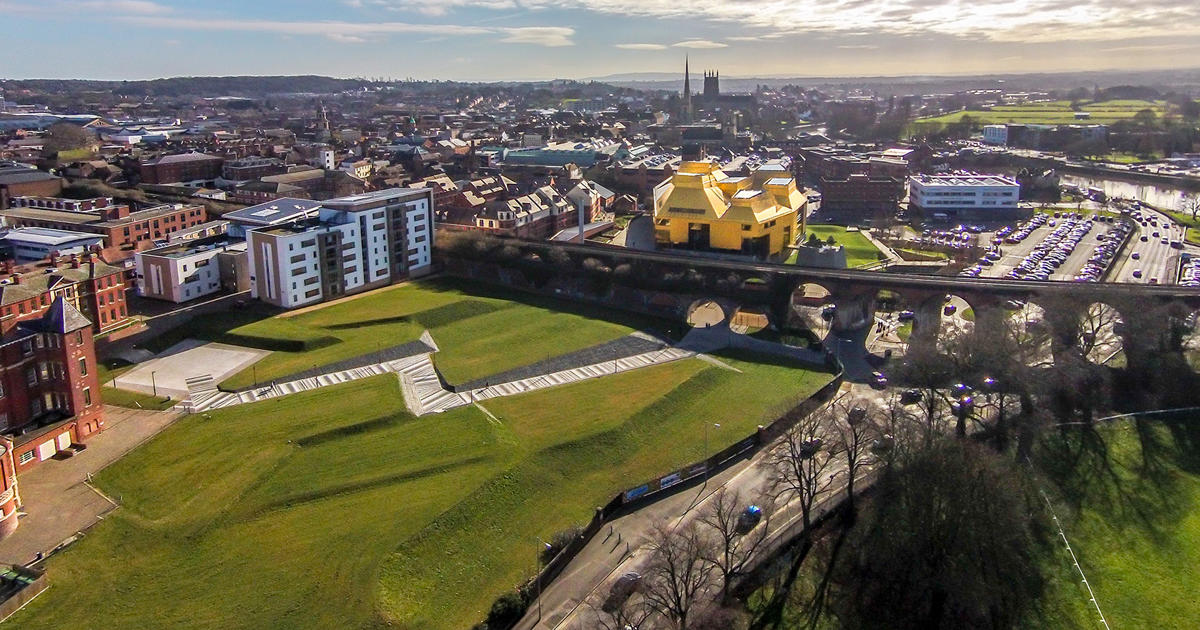
Worcester is a welcoming university city with great transport links and plenty of student parking.
Accommodation
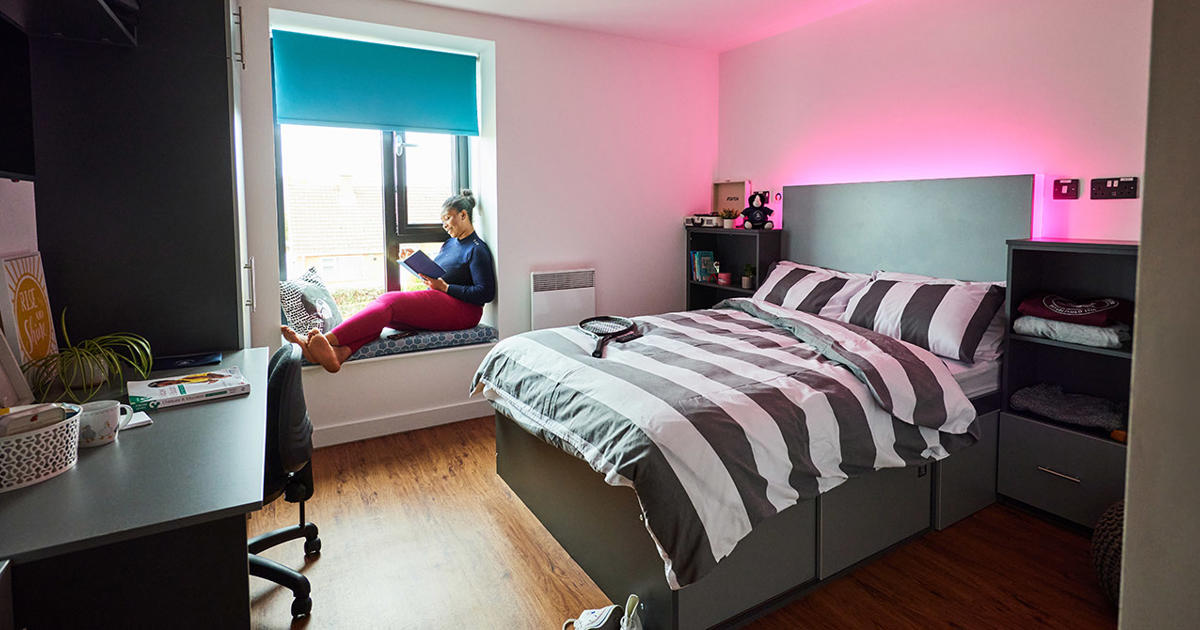
Benefit from our accommodation guarantee. We have rooms on campus to suit every budget including en-suite options.