You’ll need to apply for this course through your employer, with their support. Individuals cannot apply directly to the University.

Accreditation
This course is approved by the Health and Care Professions Council (HCPC), the regulator of healthcare professionals in the UK. This means our graduates will be eligible to apply to the HCPC for registration to practice as an Operating Department Practitioner in the UK.
This course is endorsed by The College of Operating Department Practitioners, the professional body for Operating Department Practice. After completing the course, you will be eligible to apply for full membership of the College of Operating Department Practitioners.
Overview
The Operating Department Practice (ODP) Degree Apprenticeship offers a practical and hands-on route into a career at the heart of patient care during surgery and other critical procedures. As an apprentice ODP, you will develop the specialist knowledge and clinical skills needed to support patients throughout their surgical journey – from anaesthetics, through the operating theatre, to post-anaesthetic recovery. Your priority will always be on maintaining patient safety during their most vulnerable moments.
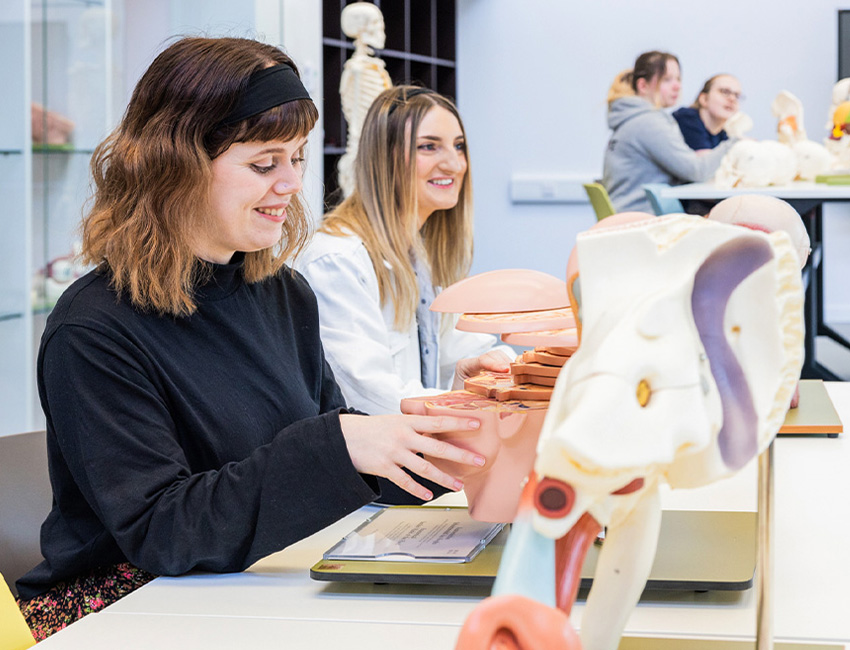
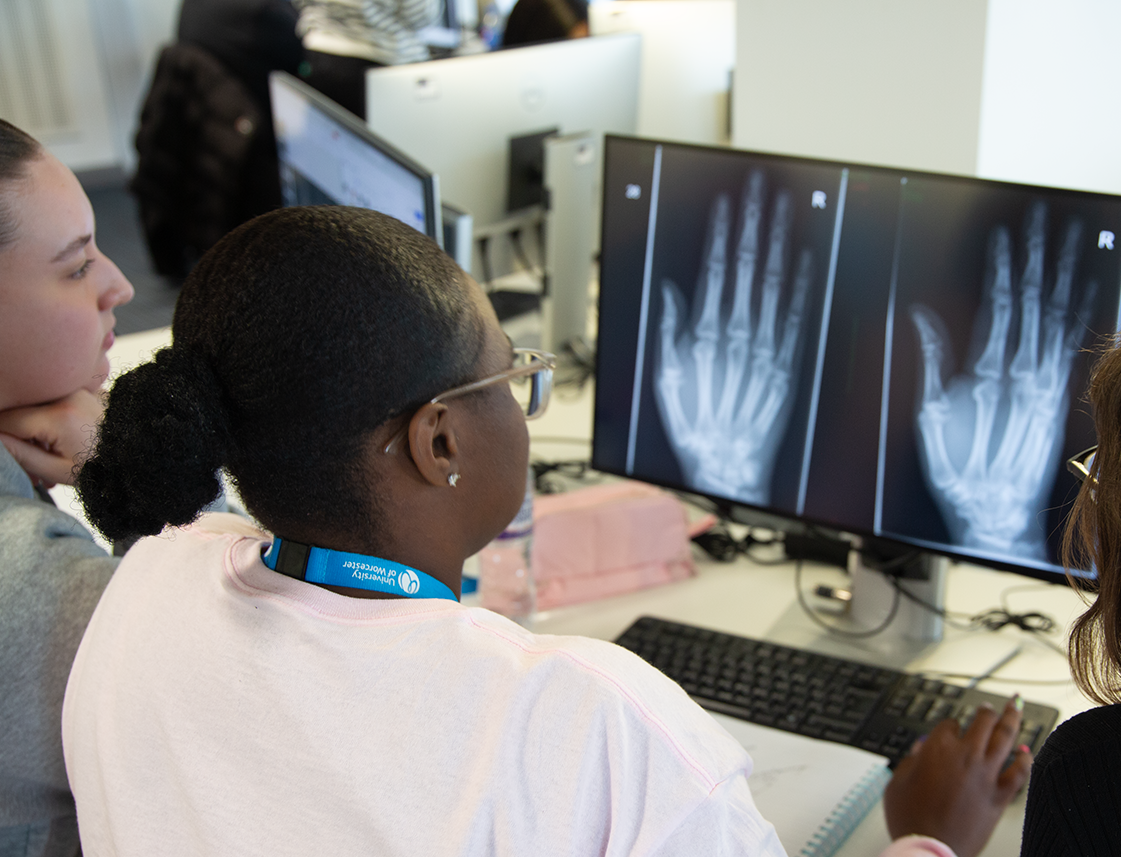
Throughout the course, you will take part in a blend of practice-based learning and university teaching, including simulated clinical scenarios, workshops, and lectures. These experiences allow you to build confidence in a safe environment before applying your learning to real care situations during your practice placements, where you will complete a minimum of 1,000 hours of supervised clinical experience.
You’ll be taught alongside other health and social care students, including physiotherapists, dietitians, occupational therapists, social workers, mental health nurses, physicians associates, and doctors. This prepares you to collaborate with and work alongside other health professionals, just as you will once you graduate.
The Operating Department Practitioner Degree Apprenticeship is delivered with support from your employing organisation allowing you to immediately embed your learning into practice in the workplace.
How apprentices study
Teaching and learning on an apprenticeship will be a collaborative process between you, your employer and the university. This will include attending university for tutorials, work-based learning, when required to complete the apprenticeship an alternative placement and mentoring by a qualified/experienced colleague.
In a typical week apprentices have around 6 - 9 contact hours of university teaching across 3 semesters. However, the precise contact hours will depend on the year of study and the module you are studying. An example of teaching contact time will be structured around:
- 3 hours of interactive workshops/skills simulations or student seminars either face to face or online
- 3 hours of (large group) lectures either face to face or online
- 3 hours of asynchronous online teaching and learning
Apprenticeship students will have the opportunity to study alongside other students completing a BA (Hons) or BSc (Hons) Degrees.
As an apprentice, you’ll spend part of your working time developing the knowledge, skills and behaviours needed for your qualification. This is known as ‘off-the-job’ learning, and your employer will support you to complete it. You and your employer will agree how this learning is structured to best support your development and progress.
Course content
On this accredited course you’ll study theories backed up by substantial evidence, and then get the opportunity to apply this learning in professional practice.
Our courses are informed by the latest research and developments in the field, as well as feedback from students and employers. Therefore, modules do occasionally change to keep the course up-to-date and relevant.
All modules are mandatory to ensure you’re eligible to register as an Operating Department Practitioner with the HCPC.
Careers and employability
Most graduate apprentices are offered roles within their work place. An an ODP, your skills will be valued in many areas, including operating theatres, recovery unites, A&E departments, Intensive Care, endoscopy, and even emergency settings.
Most graduates go on to work in NHS hospitals, but many also choose careers in private healthcare. There are also opportunities to work in specialist areas, and some graduates choose to take their skills overseas.
As your career develops, you can move into advanced clinical roles such as Surgical First Assistant, or Anaesthetic Associate, or explore careers in education, research, leadership and management. Alternatively, you might choose to continue your training and become a doctor through our graduate-entry Medicine MBChB.
The ODP role is becoming increasingly varied, giving you flexibility to build a career that suits your interests and strengths.
Course highlights


Teaching and assessment
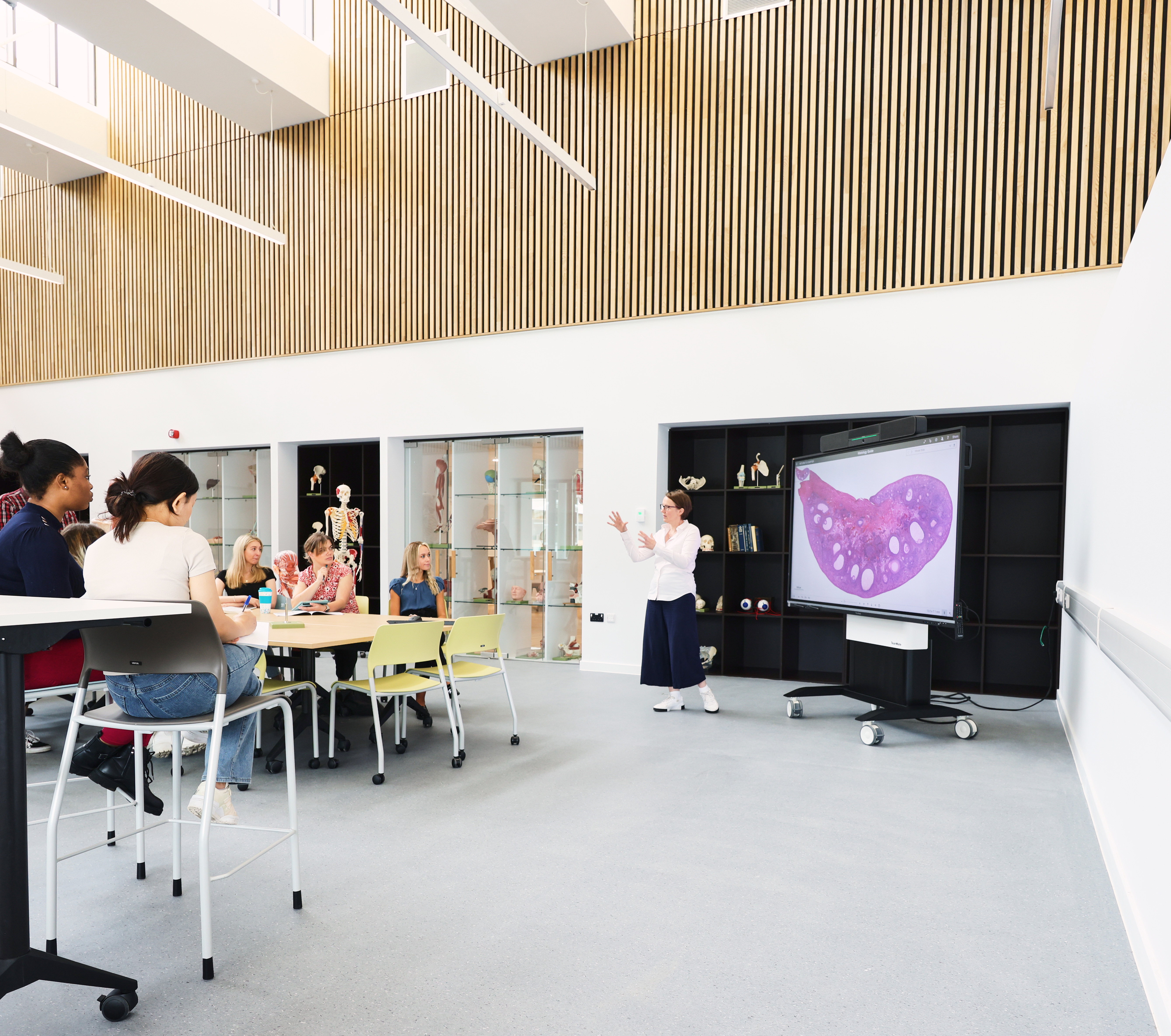
Teaching is a mix of interactive seminars, lectures, one-to-one tutorials and practical skills sessions. Your assessments will help prepare you for a career as an Operating Department Practitioner and include observations of professional skills, writing reflective essays, presenting, group discussions and creating a research proposal.
Teaching and assessment contents
You are taught through a combination of interactive workshops, lectures, seminars and group activities. Interactive workshops take a variety of formats and are intended to enable the application of learning through discussion and small group activities. Seminars enable the discussion and development of understanding of topics covered in lectures and group activities are focused on developing operating department practitioner specific skills.
Apprentices will have opportunity to engage in inter-professional learning through the course along with health and social care professionals within the school of Health and Wellbeing.
There will be opportunities to engage with IMPACT, the university organisation of service users and their families/carers to support teaching and assessments.
Apprentices will complete a minimum of 1000 hours of practice learning, working alongside experienced clinicians in a range of areas, location and specialities. This will enable apprentices to apply their knowledge, skills and behaviours in a variety of settings.
Learning is supported by a range of excellent learning facilities including the Library Services at The Hive,virtual learning environments and extensive electronic learning resources.
Regular meetings will be scheduled between the apprentice, the university and their employer to monitor and support learning and development with goal setting.
Entry requirements
UCAS tariff points required: 112
We accept a range of qualifications, including Access to HE Diplomas. We also take into account any work or life experiences you have, alongside any qualifications you hold.
You’ll need to apply for this course through your employer, with their support. Individuals cannot apply directly to the University.
Please note that this course is not available to applicants who require a student visa.
Any questions?
If you have any questions about entry requirements, please email apprenticeships@worc.ac.uk
Fees
Fees contents
Fees for this apprenticeship will be paid by the employer, through apprenticeship funding via the Growth and Skills Levy.
How to apply
How to apply contents
All applications are through your employer, and you must have the support of your employer. Please discuss the possibility of completing the apprenticeship with your line manager and/or HR department. Your employer can then contact the University to discuss applying to the programme.
Individuals cannot apply directly to the University.
Contact
If you have any questions, please get in touch. We're here to help you every step of the way.
Apprenticeships team
apprenticeships@worc.ac.ukMore to explore
Open Days
Visiting us is the best way to get a feel for student life at the University of Worcester.

The City of Worcester
Worcester is a welcoming university city with great transport links and plenty of student parking.

Accommodation
Benefit from our accommodation guarantee. We have rooms on campus to suit every budget including en-suite options.