At Worcester you’ll benefit from our links with the BBC and PR agencies, helping you build strong media skills and gain real work experience. These contacts open doors to careers in journalism, digital marketing, media agencies and wider creative industries.
of journalism students said teaching staff supported their learning well
for art and design teaching quality
Overview

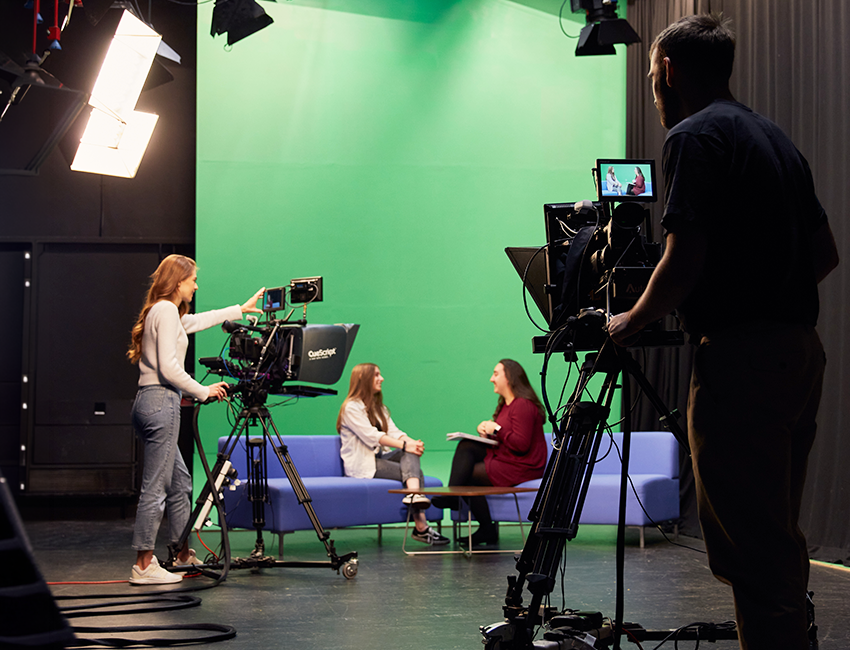
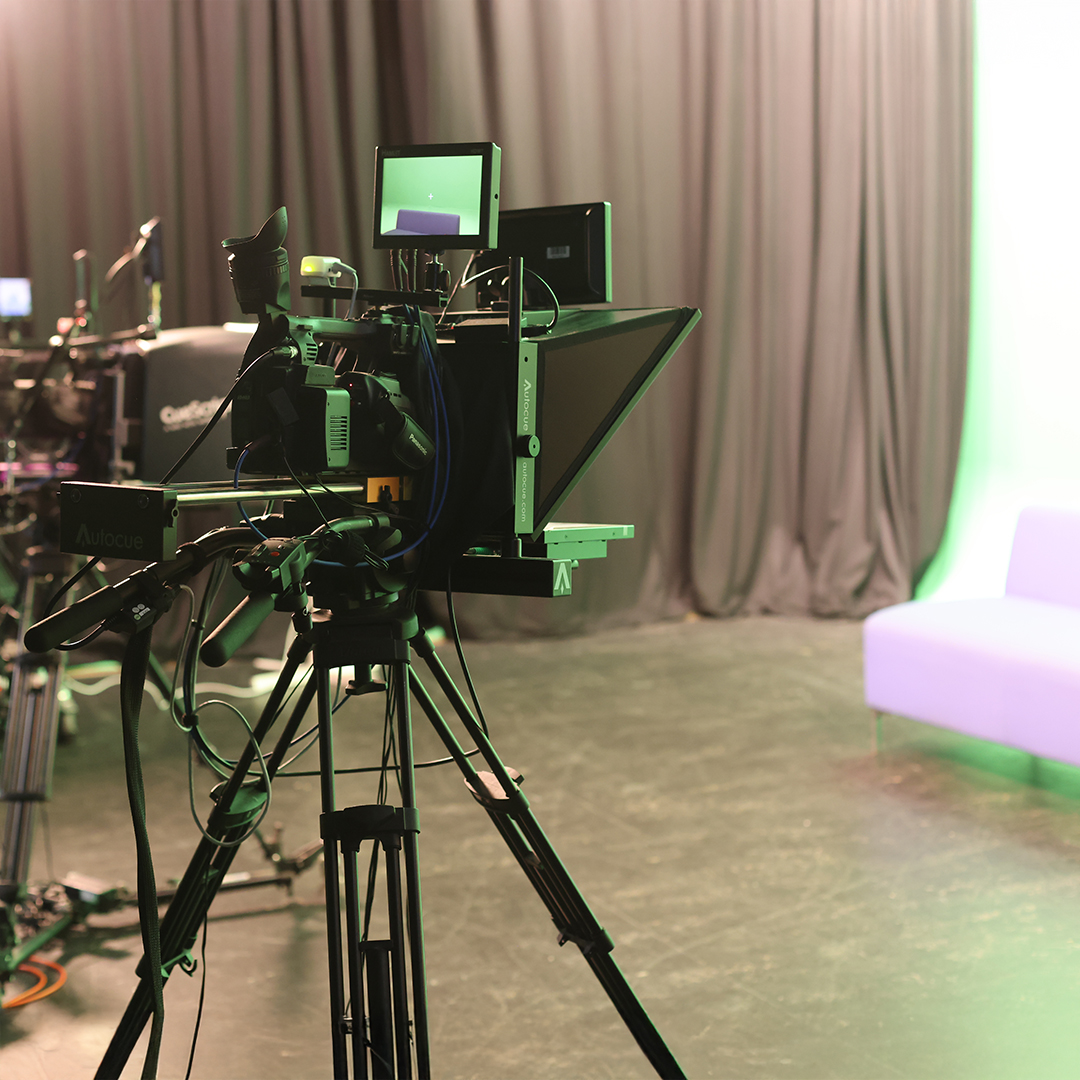
Combining Journalism with Media & Film lets you explore two creative subjects that strengthen each other while giving you space to develop your own style. You’ll experiment with different forms of content creation and work in our radio, podcast and TV studios, as well as with industry‑standard film equipment. This practical experience helps you discover your strengths and specialise in areas that matter to you, from sport and music journalism to fashion, investigative reporting or campaigning journalism.
In Media & Film, you’ll investigate how film and media shape society and how they influence public opinion, identity and culture. In Journalism, you’ll develop an understanding of media law, ethics and the responsibilities of the modern reporter, while studying how film and media genres, styles and movements reflect the time and place they were created.
Explore how gender, sexuality, age, class, disability and ethnicity are represented across journalism, media and film. Understand how different audiences access news and media, and the impact these social divisions have on the way people understand global events.
Guest speakers and visiting professionals from digital marketing, content creation and cultural and heritage events will help you build industry insights and develop real networking opportunities. You’ll complete your own creative projects to industry‑standard briefs, building a strong portfolio of work that showcases your unique voice as a journalist and content creator.
Alongside subject‑specific skills, you will strengthen your critical thinking, analytical skills and confidence as you learn to find, shape and pitch stories for different media formats with expert guidance throughout.
Work experience
During your time at Worcester, you’ll have the opportunity to gain valuable, subject-related work experience that enhances your learning and boosts your employability. In your third year, you will have dedicated work experience module, giving you the chance to apply your skills in a real-world setting.
You’ll also benefit from strong links with media organisations, including the BBC and regional PR agencies, where placements offer a first-hand look at life in the industry. These experiences are designed to help you build confidence, develop professional networks, and understand the fast-paced world of journalism.
Volunteering opportunities are regularly shared with students, allowing you to get involved with local media, community projects, and digital content creation, which will help you build a standout portfolio.
Upcoming events
Course content
In your first year you’ll develop your foundational skills before having the chance to choose your specialisms through our selection of optional modules and have various opportunities to develop your own projects to create your portfolio and build up your skillset in preparation for your final year project.
We regularly review our courses to reflect the latest research and developments in the subject area, as well as feedback from students, employers and the wider sector. As a result, modules may change to ensure the course remains current and relevant.
Optional modules will run if enough students choose to study them. It is not guaranteed that all modules will be offered every year.
Careers
The arts industry is growing, so our course has been created with your employability in mind, equipping you with the skills and confidence to be successful in wide range of careers. You’ll graduate with skills in content creation, writing, editing and communication skills, which are highly valued across many industries.
You’ll have the option to either, step into journalism and media, use your transferable skills to move into a variety of other careers outside of the industry, or progress into further study.
Past graduates have progressed into:
- Journalism
- Television
- Marketing
- Public relations
- Events
Future study
Many of our graduates choose to continue their studies with a postgraduate qualification. Popular options include:
Case studies
Hear from our recent graduates about how the Journalism degree at Worcester helped shape their careers and prepare them for the future.

Bryony-Hope Green
Bryony, who has taken up a full-time role as Content Manager at British Esports - the UK’s national body for esports, has graduated with a First Class Honours.
“There was so much diversity in the content covered on the course and without that I probably wouldn’t be where I am today. Being able to know what writing style fits me best, as well as the law and ethics side of journalism is incredibly beneficial, especially moving into working full-time in the industry.”
Bryony-Hope Green
Bryony, who has taken up a full-time role as Content Manager at British Esports - the UK’s national body for esports, has graduated with a First Class Honours.
“There was so much diversity in the content covered on the course and without that I probably wouldn’t be where I am today. Being able to know what writing style fits me best, as well as the law and ethics side of journalism is incredibly beneficial, especially moving into working full-time in the industry.”
Bryony-Hope Green
Bryony, who has taken up a full-time role as Content Manager at British Esports - the UK’s national body for esports, has graduated with a First Class Honours.
“There was so much diversity in the content covered on the course and without that I probably wouldn’t be where I am today. Being able to know what writing style fits me best, as well as the law and ethics side of journalism is incredibly beneficial, especially moving into working full-time in the industry.”
Course highlights

Teaching and assessment
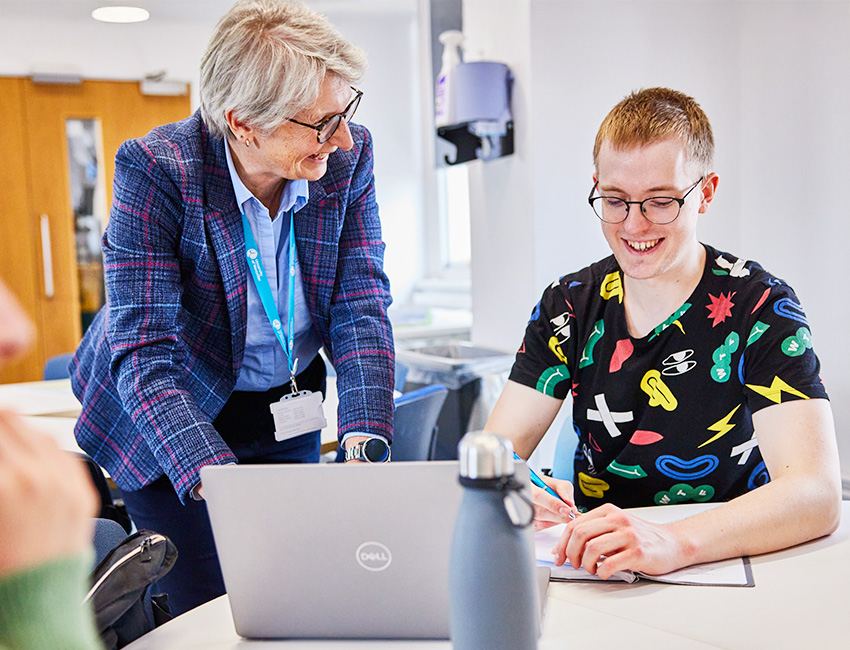
Teaching includes a mix of interactive seminars, lectures, one-to-one tutorials, and hands-on skills sessions, designed to develop your skills as a journalist and provide experience in creating your own content. You’ll have the chance to demonstrate your learning through a mix of practical and written assessments throughout the course.
Teaching and assessment contents
You are taught through a combination of lectures, seminars, demonstrations, workshops; work simulations (newsdays) and class trips.
Teaching involves large and small group sessions, the latter especially for workshop activities related to the acquisition of production skills. Sessions are a mix of tutor-led, student-led and independent learning.
Meet our Journalism and Media lecturers
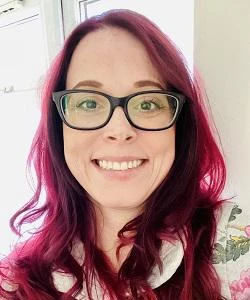
Dr Katy Wareham Morris
Katy leads the BA Hons in Media & Film Studies, a dynamic course which responds to innovations in media forms and applications as well as contemporary cultural issues. Katy is particularly interested in how digital technologies have changed media industries and the way audiences respond to them; and, media futures including immersive media. Katy interrogates media representations created by and representing identities and cultures which have been historically marginalised and challenge the white, middle class, patriarchal tradition. Katy is a proud working class, disabled, female academic and, a published poet.

Dan Johnson
Dan’s experience as a journalist and broadcaster stretches back 20 years and he currently combines his full-time lecturing role and Course Leader for Journalism with a part-time position as a BBC football reporter.
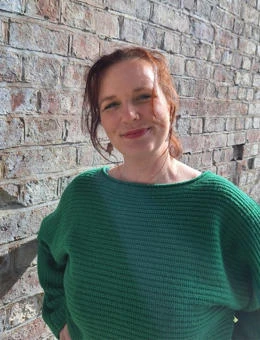
Holly Barnes-Bennetts
Holly completed a her BA Hons Media with Cultural Studies at Southampton Solent University in 2006. After finishing her degree she gained employment ranging from running music and arts festivals, working in PR and charity fundraising. She then returned to teaching, securing a Diploma to Teach in the Lifelong Learning Sector (University of Warwick) and completing a Masters by Research from Bournemouth University. Currently, Holly is working towards her PhD at the University of Worcester titled: A Digital Interactionist, Praxis Study of Perception and Communication of Positive Sexual Consent.
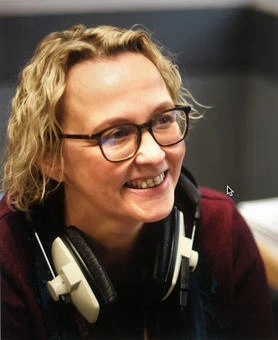
Rachel Ammonds
Rachel Ammonds teaches a wide range of undergraduate modules and is an experienced broadcast journalist.
She began her career at BBC radio in the Midlands before moving to the BBC in Manchester. She worked in radio and television, and was part of the team that won a Sony Award for coverage of the IRA bombing of Manchester. Rachel moved to ITV in 1997, producing the North West's regional news programme. She then helped set up ITV's health channel before moving into making documentaries for ITV, focusing mainly on its flagship current affairs programme, Tonight with Trevor McDonald, for which she worked as a producer/director.
Dr Katy Wareham Morris
Katy leads the BA Hons in Media & Film Studies, a dynamic course which responds to innovations in media forms and applications as well as contemporary cultural issues. Katy is particularly interested in how digital technologies have changed media industries and the way audiences respond to them; and, media futures including immersive media. Katy interrogates media representations created by and representing identities and cultures which have been historically marginalised and challenge the white, middle class, patriarchal tradition. Katy is a proud working class, disabled, female academic and, a published poet.
Dan Johnson
Dan’s experience as a journalist and broadcaster stretches back 20 years and he currently combines his full-time lecturing role and Course Leader for Journalism with a part-time position as a BBC football reporter.
Entry requirements
UCAS tariff points required: 104
| Qualification | Grade |
|---|---|
| A-level | BCC |
| BTEC National Extended Diploma | DMM |
| T-level | M |
We do accept Access to HE Diplomas and other qualifications which may not exactly match the combinations above. Work out your estimated points with the UCAS tariff calculator.
Any questions?
If you have any questions about entry requirements, please call our Admissions Office on 01905 855111 or email admissions@worc.ac.uk.
Fees
Fees contents
UK and EU students
The standard fee for full-time home and EU undergraduate students on BA/BSc/LLB degrees and FdA/FdSc degrees in the academic year 2027/28 is £10,050 per year.
Tuition fees are reviewed annually and may increase each year for both new and continuing students.
For more details on course fees, please visit our course fees page.
International students
The standard tuition fee for full-time international students enrolling on BA/BSc/LLB degrees and FdA/FdSc degrees in the academic year 2027/28 is £17,700 per year.
Tuition fees are reviewed annually and may increase each year for both new and continuing students.
For more details on course fees, please visit our course fees page.
How to apply
How to apply contents
Applying through UCAS
UCAS is the central organisation through which applications are processed for full-time undergraduate courses in the UK.
Read our how to apply pages for more information on the application process, or if you’d like to apply for part-time study.
Contact
If you have any questions, please get in touch. We're here to help you every step of the way.
Dr Katy Wareham Morris
Senior Lecturer in Media & Film Studies; Course Leader for Media & Culture; Head of Department for English, Media and Culture
k.wareham.morris@worc.ac.ukAdmissions Office
admissions@worc.ac.uk01905 855111More to explore
Open Days
Visiting us is the best way to get a feel for student life at the University of Worcester.
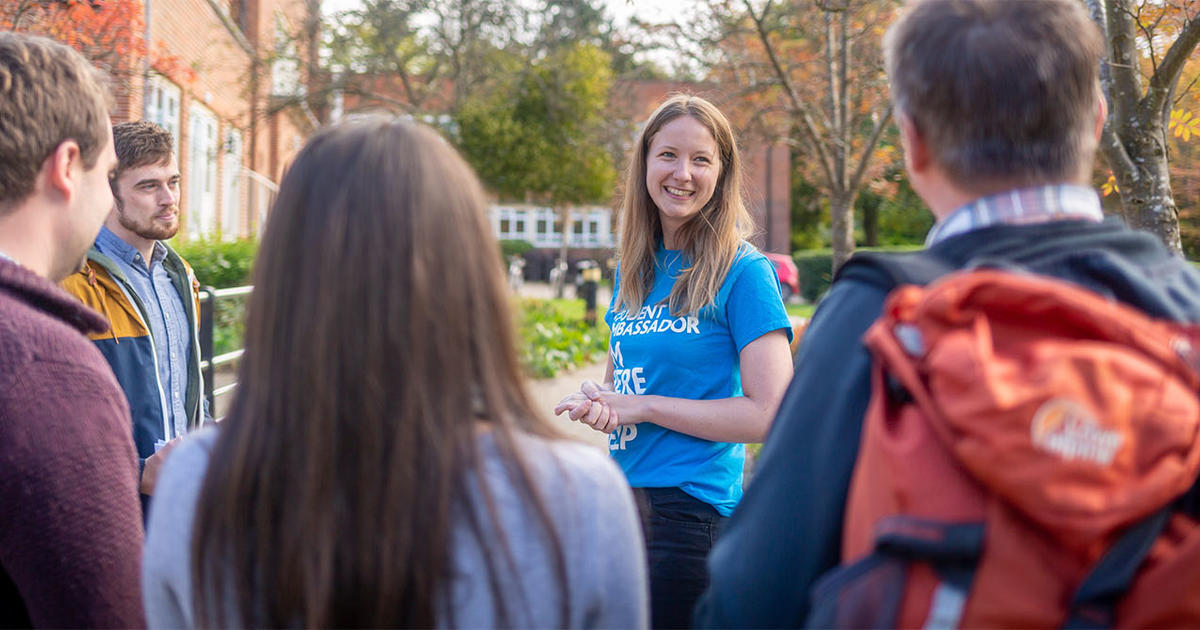
The City of Worcester
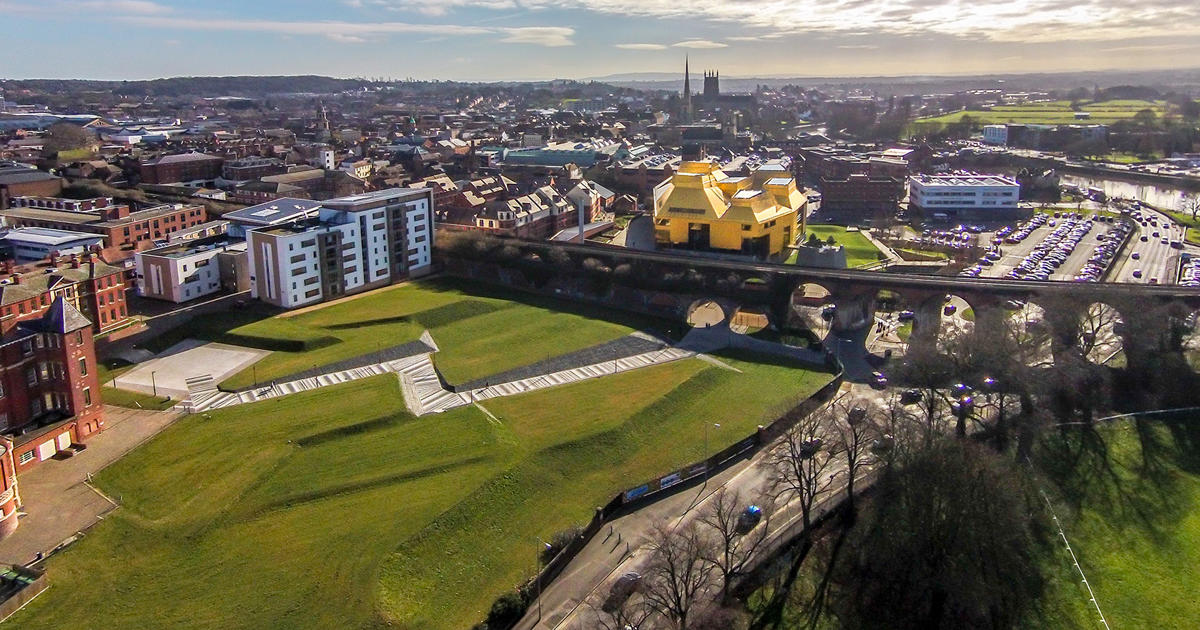
Worcester is a welcoming university city with great transport links and plenty of student parking.
Accommodation
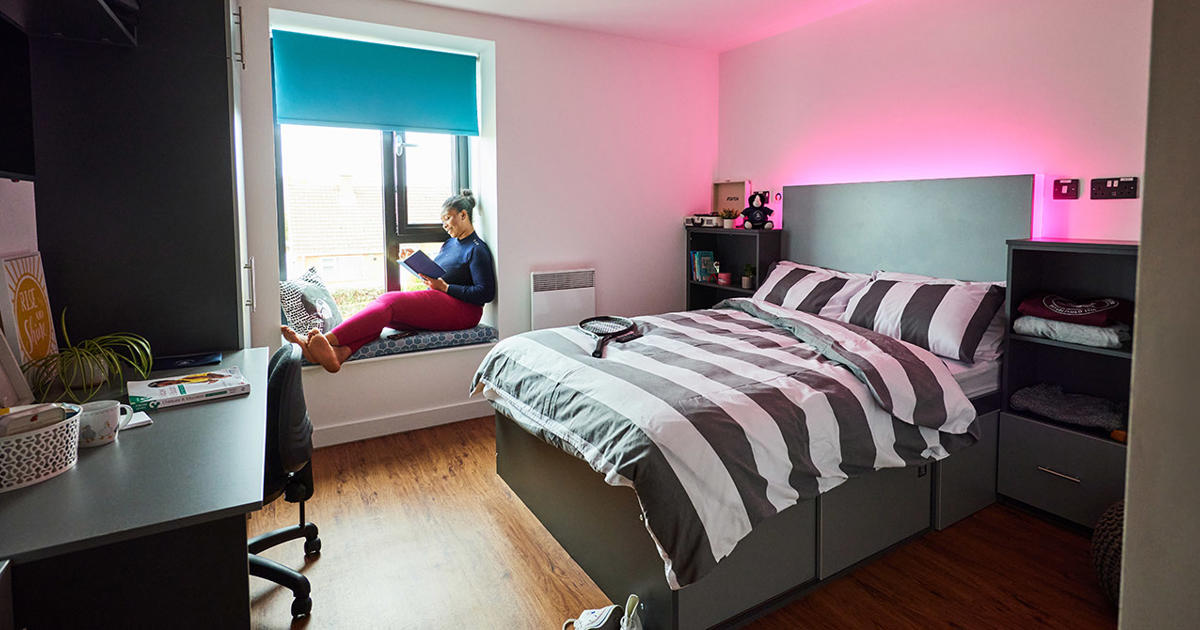
Benefit from our accommodation guarantee. We have rooms on campus to suit every budget including en-suite options.