
At Worcester, you’ll develop skills employers value, such as research, communication, and problem-solving, and put them into practice through optional work placements. You’ll also have the chance to gain the internationally recognised CELTA qualification, opening doors to teaching English at home or abroad.
our English courses are ranked in the Top 20 for graduate prospects
Overview
English Language at Worcester explore how language works in real life. You’ll study the words we choose, the sounds we make, and the structures that shape meaning in speech and writing. From accents and dialects to how language evolves with society, you’ll work with real examples of spoken and written texts to understand communication in different contexts.
In your first year, you’ll build a strong foundation in linguistics, learning about grammar, vocabulary, and pronunciation while asking big questions like: is language innate? How do we create sentences we’ve never heard before? As you progress, you’ll develop research skills and grow your independence, leading to a final-year project on a topic you’re passionate about.
You can shape your learning to explore areas that interest you most. You could dive into the many varieties of English spoken across the world and what they reveal about culture and identity or investigate how people use language to express who they are, how language holds power, or trace the roots of the English language through history.
If teaching English as a foreign language appeals to you, you can work towards the internationally recognised CELTA qualification as part of your degree, preparing you to teach English at home or abroad. You’ll also have opportunities for work placements, linking classroom learning to real-world experience.
By the time you graduate, you’ll have a deep understanding of language in theory and practice. You’ll also develop transferable skills in research, communication, and problem solving – opening doors to careers in teaching, publishing, media, and linguistics.
Work placement
In your second year, you’ll have the opportunity to take a work placement module where you can apply the skills you’ve developed in a professional setting. We’ll help you to prepare for the workplace by creating a personal development plan, producing a CV, and learning how to approach employers.
Placements are flexible, with around 36 hours spread over 12 weeks, so they fit alongside your studies. They’re a fantastic way to gain experience, build confidence, and explore your career options. Past placements have included schools, marketing agencies, arts and heritage organisations, and the Hive Library.
The scope of the course content meant that I could research and write in a wide variety of areas, sometimes crossing into other disciplines such as Sociology. This kept the process of studying fresh and interesting.
Course content
On this course, you can personalise your learning by choosing optional modules that reflect your interests and career goals in the second and third year. These sit alongside a core set of mandatory modules, designed to give you the academic grounding, theoretical understanding, and professional skills needed to succeed after graduation.
English Language is offered as part of a joint honours degree, so the below modules offer an overview of the English Language modules we offer. These will be combined with the modules offered by your second subject.
We regularly review our courses to reflect the latest research and developments in the subject area, as well as feedback from students, employers and the wider sector. As a result, modules may change to ensure the course remains current and relevant.
Optional modules will run if enough students choose to study them. It is not guaranteed that all modules will be offered every year.
Careers
A joint honours degree in English Language can lead to many careers where language and communication are key. Throughout your course, you’ll develop an in-depth understanding of how language works – how it influences audiences, how to craft messages that connect, and how to think critically. These skills are highly valued across industries.
In publishing, your ability to spot detail and structure text clearly is essential for producing books, magazines, and digital content. In journalism and media, your research skills and understanding of how language shapes opinion will help you create compelling stories. If you love analysis, you could move into linguistics and language research, applying your skills to areas like speech technology, forensic linguistics, or postgraduate study.
In your second year, you’ll have the chance to put these skills into practice through an optional work placement module, with support from university staff to find a placement that matches your career goals. Past placements have included marketing agencies, media organisations, and publishing houses.
If you’d like to pursue teaching English, you can work towards the internationally recognised CELTA qualification as part of this course, gaining real classroom experience and learning how to plan lessons effectively.
Potential careers include:
- Archivist
- Forensic linguist
- Journalist
- Lexicographer
- Speech and language therapist
- Publishing copy editor
- English teacher
- Translator
- Linguistics researcher
Course highlights



Teaching and assessment
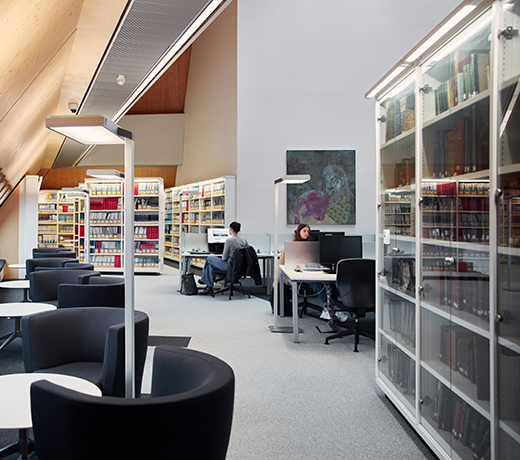
You’ll learn through a mix of lectures, interactive seminars and practical activities like recording interviews or analysing texts. There are no exams on this course. Instead, you’ll be assessed through tasks such as essays, reports and presentations, all designed to reflect the skills employers value – writing clearly, presenting confidently, and managing projects effectively.
Teaching and assessment contents
Students are taught through a combination of, lectures, seminars, practical tasks etc. Lectures provide an overview of key points on a topic presented in a concise and coherent way. Seminars enable the discussion and development of understanding of the topics covered in lectures, and practical tasks are focused on developing subject specific skills (such as interview recording or data transcription).
In addition, meetings with Personal Academic Tutors are scheduled on at least four occasions in the first year and three occasions in each of the other years of a course.
Meet our course lead for English Language
Our experienced lecturers are passionate about language and dedicated to helping you succeed.

Dr Katie Mansfield
I'm interested in how language shapes our everyday lives, from how we talk with friends, to how children are assessed in school, to how people are judged in wider society. In my teaching and research, I focus particularly on how language and social class interact, and how this can create or reinforce inequalities in education. A lot of my work looks at what happens in real-life classrooms and playgrounds - how children use language, how teachers respond to it, and how current education policy in England shapes ideas about what counts as 'good' or 'correct' language.
I'm passionate about helping students understand that language is not just a set of fixed rules, but a powerful social tool that affects identity, opportunity, and fairness. I am particularly committed to widening participation and inclusive teaching, and I aim to create a learning environment that is supportive, engaging and rooted in real-world, cutting edge data and examples.
Dr Katie Mansfield
I'm interested in how language shapes our everyday lives, from how we talk with friends, to how children are assessed in school, to how people are judged in wider society. In my teaching and research, I focus particularly on how language and social class interact, and how this can create or reinforce inequalities in education. A lot of my work looks at what happens in real-life classrooms and playgrounds - how children use language, how teachers respond to it, and how current education policy in England shapes ideas about what counts as 'good' or 'correct' language.
I'm passionate about helping students understand that language is not just a set of fixed rules, but a powerful social tool that affects identity, opportunity, and fairness. I am particularly committed to widening participation and inclusive teaching, and I aim to create a learning environment that is supportive, engaging and rooted in real-world, cutting edge data and examples.
Dr Katie Mansfield
I'm interested in how language shapes our everyday lives, from how we talk with friends, to how children are assessed in school, to how people are judged in wider society. In my teaching and research, I focus particularly on how language and social class interact, and how this can create or reinforce inequalities in education. A lot of my work looks at what happens in real-life classrooms and playgrounds - how children use language, how teachers respond to it, and how current education policy in England shapes ideas about what counts as 'good' or 'correct' language.
I'm passionate about helping students understand that language is not just a set of fixed rules, but a powerful social tool that affects identity, opportunity, and fairness. I am particularly committed to widening participation and inclusive teaching, and I aim to create a learning environment that is supportive, engaging and rooted in real-world, cutting edge data and examples.
Entry requirements
UCAS tariff points required: 104
| Qualification | Grade |
|---|---|
| A-level | BCC |
| BTEC National Extended Diploma | DMM |
| T-level | Merit |
We do accept Access to HE Diplomas and other qualifications which may not exactly match the combinations above. Work out your estimated points with the UCAS tariff calculator.
Any questions?
If you have any questions about entry requirements, please call our Admissions Office on 01905 855111 or email admissions@worc.ac.uk.
Fees
Fees contents
UK and EU students
The standard fee for full-time home and EU undergraduate students on BA/BSc/LLB degrees and FdA/FdSc degrees in the academic year 2027/28 is £10,050 per year.
Tuition fees are reviewed annually and may increase each year for both new and continuing students.
For more details on course fees, please visit our course fees page.
International students
The standard tuition fee for full-time international students enrolling on BA/BSc/LLB degrees and FdA/FdSc degrees in the academic year 2027/28 is £17,700 per year.
Tuition fees are reviewed annually and may increase each year for both new and continuing students.
For more details on course fees, please visit our course fees page.
How to apply
How to apply contents
Applying through UCAS
UCAS is the central organisation through which applications are processed for full-time undergraduate courses in the UK.
Read our how to apply pages for more information on the application process, or if you’d like to apply for part-time study.
English Language must be studied as part of a joint honours degree with another subject.
Contact
If you have any questions, please get in touch. We're here to help you every step of the way.
Admissions Office
admissions@worc.ac.uk01905 855111More to explore
Open Days
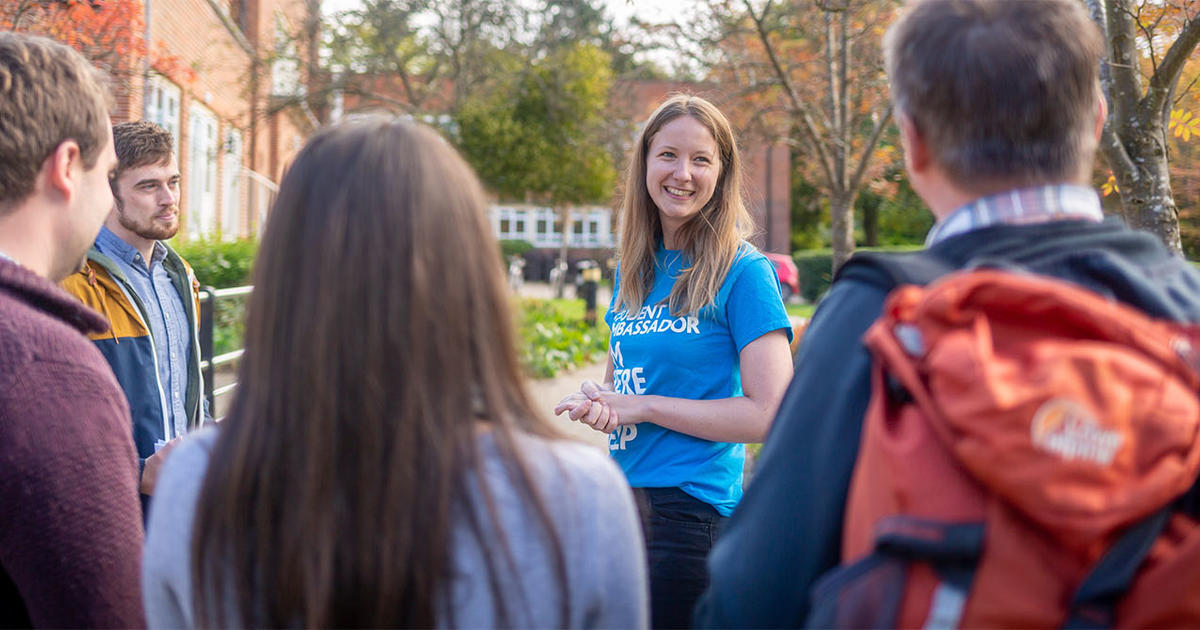
Visiting us is the best way to get a feel for student life at the University of Worcester.
The City of Worcester
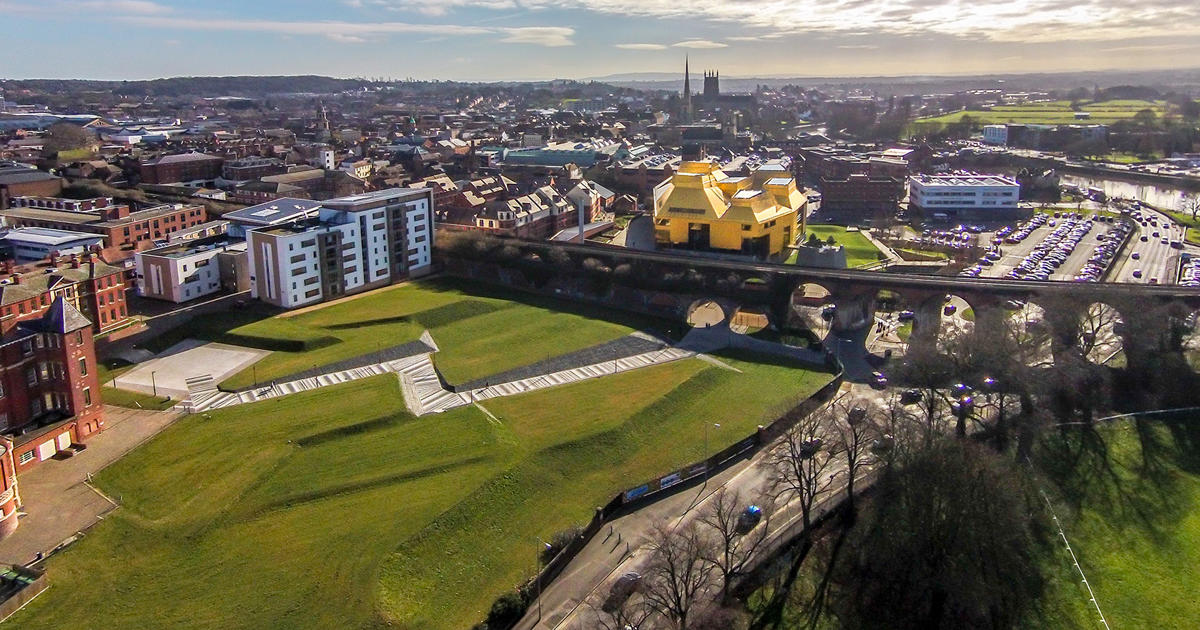
Worcester is a welcoming university city with great transport links and plenty of student parking.
Accommodation
Benefit from our accommodation guarantee. We have rooms on campus to suit every budget including en-suite options.