At Worcester, you’ll join our growing community of creatives and work with peers in film and theatre to see your work come to life. Through combining this course with any of our other arts and film degrees, you’ll gain a rounded and in-depth experience in the art of story making.
of students on Creative Writing courses are in work and/or further study 15 months after graduating
Clearing 2026
Apply now to start this September. Check course availability, find out how to secure your place and take advantage of our accommodation guarantee on our Clearing webpages or by calling 01905 544433.
Overview
Screenwriting is more than creating an engaging piece of writing for readers. It’s the art of developing a film or a tv series through words alone, choosing language, tone and format purposely to suggest camera angles, sound design, lighting which would be used when practically developing the screenplay to be watched. You’re also writing to persuade production companies, directors and actors to not just read but work on your screenplay.
Explore the screenplays behind popular films and TV shows – past and present – and learn what makes them exciting, emotional, and memorable. You’ll see how words on a page can turn into powerful scenes on screen through film screenings and having a rare chance to see the draft of scripts which inspired them. You’ll also be able to see the pitches and proposals of films and tv shows and learn how to confidently pitch your own ideas through industry standard documents, such as loglines and treatments, and practice mastering your verbal pitch. You could also take part in a writer’s room, just like the ones used to create long-running shows like soaps, where you’ll collaborate with other writers on ideas and screenplays.
You’ll develop your unique voice as a writer, discover where your passions lie in terms of which form of media you want to write for, and benefit from meeting guest speakers to learn from and network with. Our lecturers have both academic and professional expertise, with strong industry backgrounds, so they are well placed to challenge your writing abilities and help you create professional networks.

Students developing their screenplays


Course content
Our screenwriting modules give you the chance to try out different roles in the industry. You’ll write your own film, work with others on a TV series, and learn how to give helpful feedback on scripts.
We regularly review our courses to reflect the latest research and developments in the subject area, as well as feedback from students, employers and the wider sector. As a result, modules may change to ensure the course remains current and relevant.
Optional modules will run if enough students choose to study them. It is not guaranteed that all modules will be offered every year.
The modules for this course are currently being reviewed and updated for 2026 entry. Full details will be available on this page soon.
Careers
Screenwriting helps you learn how to write for different formats and introduces you to the variety of jobs available in the media industry. There will also be opportunities to showcase your work and build your network through participating in competitions, attending guest lectures and having your screenplays reviewed by industry experts. What you’ll learn and the opportunities you’ll have will give you the skills and experience to progress into creative industries, such as:
- Television and Film Production
- Marketing and public relations
- Film Festival Organisation
Course highlights


Teaching and assessment
You’ll learn through a mix of lectures, practical seminars, group projects, presentations and film screenings. Informal and formal assignments are provided and designed to give you a wide variety of experience in writing various forms and genres of screenplay, where you can experiment, demonstrate your skills, and keep track of your progress through regular feedback from your lectures and peers.
Teaching and assessment contents
You'll be taught through a combination of lectures, seminars, practical group work, peer review sessions and individual development tutorials.
You'll also be invited to meet with your Personal Academic Tutor throughout your course for further support on developing your skills and knowledge.
You have an opportunity to undertake a work-based module and industry standard projects in your third year of the course, supervised by an appropriate industry mentor and University tutor.
Meet our Screenwriting lecturers
You'll be taught by our team of experienced lecturers who have a wealth industry experience and knowledge to share with you.

Dr Paul Elliott
Paul Elliott is the author of three books on film and popular culture: Hitchcock and the Cinema of Sensations, a study that deals with embodiment and philosophy in the work of Alfred Hitchcock; Guattari Reframed, an introductory volume on the French psychoanalyst and activist Felix Guattari, and Studying the British Crime Film. He has a PhD in film studies and has written widely in the area of cinema.
Simon Bovey
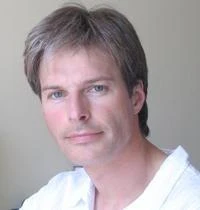
Simon's experience is diverse, ranging from animation and regional theatre, to radio and award winning films. His work as writer and director has received international success through both short and feature films. He is an established writer for the BBC with a significant body of broadcast work including Doctors for BBC1; drama and period thrillers for Radio 4 and three science fiction series for Radio 4 Extra.

Dr Zoe Lewis
Dr Zoe Lewis is a professional playwright and director/screenwriter, with credits including writing and directing award-nominated short films. She previously won the North-West young playwrights award. Her academic work includes From Art to Belief, research into the connection between playwriting in partnership with young people of low-opportunity.
Dr Paul Elliott
Paul Elliott is the author of three books on film and popular culture: Hitchcock and the Cinema of Sensations, a study that deals with embodiment and philosophy in the work of Alfred Hitchcock; Guattari Reframed, an introductory volume on the French psychoanalyst and activist Felix Guattari, and Studying the British Crime Film. He has a PhD in film studies and has written widely in the area of cinema.
Simon Bovey
Simon's experience is diverse, ranging from animation and regional theatre, to radio and award winning films. His work as writer and director has received international success through both short and feature films. He is an established writer for the BBC with a significant body of broadcast work including Doctors for BBC1; drama and period thrillers for Radio 4 and three science fiction series for Radio 4 Extra.
Entry requirements
UCAS tariff points required: 104
| Qualification | Grade |
|---|---|
| A-level | BCC |
| BTEC National Extended Diploma | DMM |
| T-level | Merit |
We do accept Access to HE Diplomas and other qualifications which may not exactly match the combinations above. Work out your estimated points with the UCAS tariff calculator.
Any questions?
If you have any questions about entry requirements, please call our Admissions Office on 01905 855111 or email admissions@worc.ac.uk.
Fees
Fees contents
UK and EU students
In 2026/27 the standard fee for full-time home and EU undergraduate students on BA/BSc/LLB degrees and FdA/FdSc degrees is £9,790 per year.
Tuition fees are reviewed annually and may increase each year for both new and continuing students.
For more details on course fees, please visit our course fees page.
International students
In 2026/27 the standard tuition fee for full-time international students enrolling on BA/BSc/LLB degrees and FdA/FdSc degrees is £17,200 per year.
Tuition fees are reviewed annually and may increase each year for both new and continuing students.
For more details on course fees, please visit our course fees page.
How to apply
How to apply contents
Applying through UCAS
UCAS is the central organisation through which applications are processed for full-time undergraduate courses in the UK.
Read our how to apply pages for more information on the application process, or if you’d like to apply for part-time study.
Our Screenwriting course is available as a joint honors, meaning you can combine it with another subject of your course.
Popular combinations include:
Contact
If you have any questions, please get in touch. We're here to help you every step of the way.
Admissions Office
admissions@worc.ac.uk01905 855111More to explore
Open Days
Visiting us is the best way to get a feel for student life at the University of Worcester.
The City of Worcester
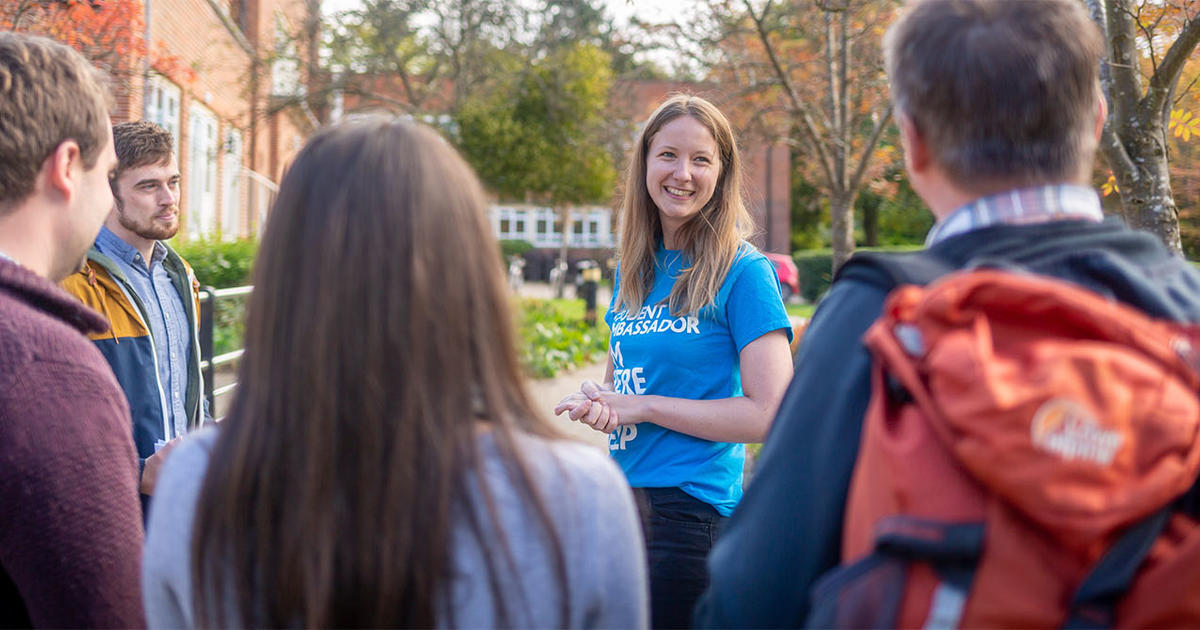
Worcester is a welcoming university city with great transport links and plenty of student parking.

Accommodation
Benefit from our accommodation guarantee. We have rooms on campus to suit every budget including en-suite options.