Learn from expert teachers in a supportive community that cares about fair, inclusive education. Through research, practice and debate, you’ll grow your critical thinking and gain the confidence to shape change in the issues that matter most to you.
our Sociology courses are top 10 in the UK for teaching quality
of student felt free to express their opinions and beliefs
Clearing 2026
Apply now to start this September. Check course availability, find out how to secure your place and take advantage of our accommodation guarantee on our Clearing webpages or by calling 01905 544433.
Overview
What shapes the world we live in and how do we influence it in return?
By combining Education Studies with Sociology, you’ll critically explore how society functions, evolves and adapts, and what past and present influence this has on how education is viewed and how students are taught.
Discover various educational and sociological theories and research and explore how these relate to both social and educational inequality. From issues like gender, race and class to contemporary debates about the environment, technology and social justice, you’ll examine the issues people deal with in everyday life. You’ll gain a deep understanding of how power and inequality shape everyday experiences and global systems alike.
You’ll get hands-on experience as you have opportunities to visit schools with specialist support for learners with SEND, care farms, Pupil Referral Units and placements in prison education. From day one, you’ll be supported to find your voice, explore your interests, and think creatively about how education can be more inclusive, diverse and equitable.
As you study, you’ll develop practical skills in research and analysis, critical thinking, communication and problem-solving , to make sense of the world around you. You’ll learn to understand and apply academic research, design ethical projects, and complete your own research into aspects of society and education and develop your own ideas for how both society and education can develop and evolve.
Whether you aspire to make a difference in your community, influence policy, or lead in your chosen field, Education Studies and Sociology at Worcester provides the foundation to make it happen.
Work experience
As part of the Sociology course, you’ll have the chance to complete a placement with local organisations, such as Worcester County Council, charities and other public services. These experiences give you practical insight into how social issues affect different sectors and the roles involved in addressing them. They also provide valuable work experience, the chance to meet local employers, and support in exploring a wide range of future career paths.
As part of Education Studies, you can take work placement modules in Years 2 and 3. You'll need to arrange a placement in an approved educational setting, either through volunteering or work. During your placement, you'll observe teaching and learning in practice, gaining experience of working with learners of different ages, abilities, and backgrounds. This is a great opportunity to develop your understanding of education while building valuable skills and experience for your future career.
Course content
Our modules are designed to introduce you to the foundations of sociology and current education practice. In your second and third year you can tailor your degree through choosing from our selection of optional modules, helping you develop your knowledge in an area you’re passion about.
We regularly review our courses to reflect the latest research and developments in the subject area, as well as feedback from students, employers and the wider sector. As a result, modules may change to ensure the course remains current and relevant.
Optional modules will run if enough students choose to study them. It is not guaranteed that all modules will be offered every year.
Careers
We help you plan for your future career from the first year, with our Sociology in Practice work placement module. You’ll also gain practical experience through placements and hands-on projects, to ensure you graduate with real-world insights and a competitive edge.
The critical thinking skills you’ll develop on this course will prepare you for further study or a career in the education or sociology sectors. Employers in both public and private sectors value graduates who understand how people learn and how to support that learning effectively.
You can also use your transferable skills to explore a wide range of careers beyond these industries.
This course will help you progress towards a career in:
- Education
- Research
- Civil service
- Journalism
- Community development
Further study
You could also progress onto further study to expand your knowledge and experience to increase your employability, such as our PGCE courses to because a qualified teacher, or our Sociology MRes, Education MA, and Education MRes, degrees.
If you’d like to learn more about the study of sociology and the careers it can lead to, please read the British Sociological Association’s Discover Sociology leaflet.
Course highlights

Teaching and assessment
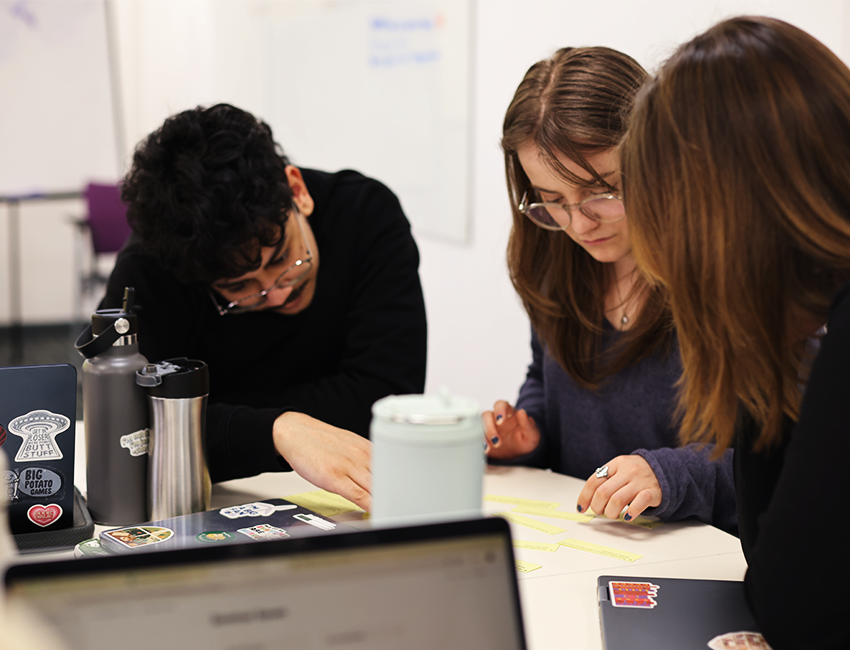
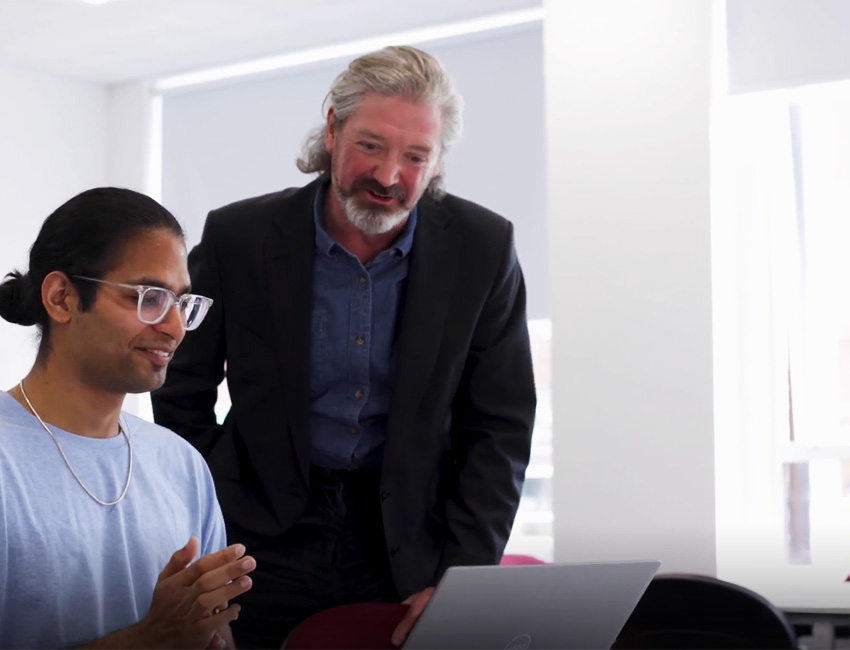
Lectures and seminars are interactive, encouraging active debate and discussion to help you apply critical thinking and your own knowledge to what is being taught. The mix of informal and formal assessments build on this further, providing the opportunity to demonstrate your understanding of what you’ve learnt through both taught and independent research, and develop your academic skills.
There are no exams in sociology modules, instead we focus on building your research and communication skills through essays, book reviews, case study analyses and presentations.
Teaching and assessment contents
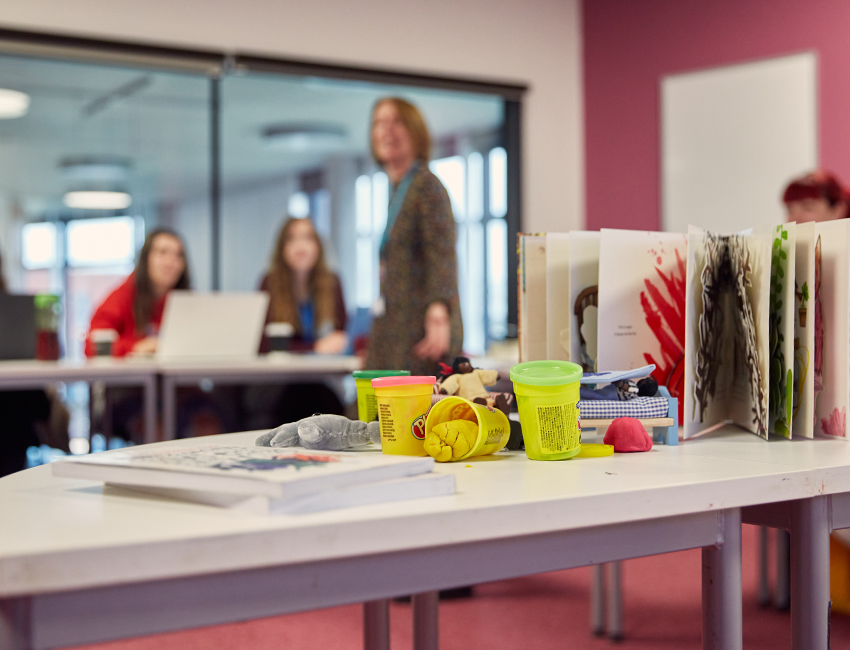
Lectures will equip you with core information and foundational knowledge, which you can then explore further through discussion and debate in seminars. You’ll be encouraged to take an active role in your learning by engaging in group discussions, sharing your thoughts and opinions, and reflecting on how new insights connect with your prior knowledge. This process will help you consider past advances, address present challenges, and propose solutions that contribute to a brighter and more innovative future for education.
Meet our Education and Sociology lecturers
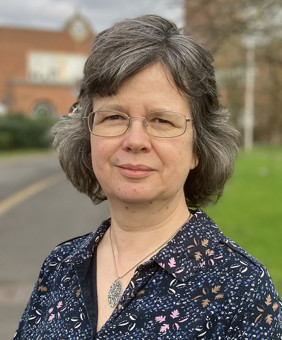
Dr Jenny Lewin-Jones
Jenny teaches in Sociology, with particular interests in environmental and digital sociology, education, and emotions. Her research focuses on the role of language in social change.
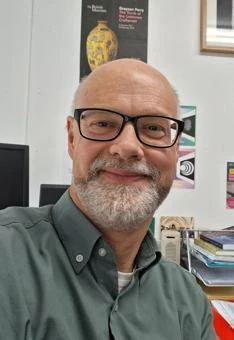
Simon Taylor
Simon joined the School of Education in January 2016 having worked in the arts and cultural sector for many years. He specialises in collaborative research, building partnerships, commissioning, strategic planning, interdisciplinary working and professional development supporting artists, teachers and senior managers.
Simon is a Fellow of the Higher Education Academy (HEA) and a Fellow of the Royal Society for the Encouragement of the Arts, Manufactures and Commerce (FRSA).
Dr Luke Devine
Luke's teaching specialisms include sociology of religion, political philosophy, antisemitism, Freud and psychoanalytic sociology, and Jewish history and literature.
His research is primarily focused on fin de siècle Anglo-Jewish literature, particularly Amy Levy, on representations of Shekhinah in Jewish mystical literature, and on Sociology of Religion.

Dr Rebecca Mace
Rebecca is an experienced educator with nearly two decades of teaching across a diverse range of settings, including state, independent, day, boarding, single-sex, and co-educational schools. Rebecca’s research interests are strongly rooted in philosophy, education, and feminism and she has a particular interest in technology, particularly the application of AI in education. For her PhD, Rebecca explored how social media-dominated culture impacts the concept of self.
Dr Jenny Lewin-Jones
Jenny teaches in Sociology, with particular interests in environmental and digital sociology, education, and emotions. Her research focuses on the role of language in social change.
Simon Taylor
Simon joined the School of Education in January 2016 having worked in the arts and cultural sector for many years. He specialises in collaborative research, building partnerships, commissioning, strategic planning, interdisciplinary working and professional development supporting artists, teachers and senior managers.
Simon is a Fellow of the Higher Education Academy (HEA) and a Fellow of the Royal Society for the Encouragement of the Arts, Manufactures and Commerce (FRSA).
Entry requirements
UCAS tariff points required: 104
| Qualification | Grade |
|---|---|
| A-level | BCC |
| BTEC National Extended Diploma | DMM |
| T-level | M |
We do accept Access to HE Diplomas and other qualifications which may not exactly match the combinations above. Work out your estimated points with the UCAS tariff calculator.
Any questions?
If you have any questions about entry requirements, please call our Admissions Office on 01905 855111 or email admissions@worc.ac.uk.
Fees
Fees contents
UK and EU students
In 2026/27 the standard fee for full-time home and EU undergraduate students on BA/BSc/LLB degrees and FdA/FdSc degrees is £9,790 per year.
Tuition fees are reviewed annually and may increase each year for both new and continuing students.
For more details on course fees, please visit our course fees page.
International students
In 2026/27 the standard tuition fee for full-time international students enrolling on BA/BSc/LLB degrees and FdA/FdSc degrees is £17,200 per year.
Tuition fees are reviewed annually and may increase each year for both new and continuing students.
For more details on course fees, please visit our course fees page.
How to apply
How to apply contents
Applying through UCAS
UCAS is the central organisation through which applications are processed for full-time undergraduate courses in the UK.
Read our how to apply pages for more information on the application process, or if you’d like to apply for part-time study.
Contact
If you have any questions, please get in touch. We're here to help you every step of the way.
Admissions Office
admissions@worc.ac.uk01905 855111More to explore
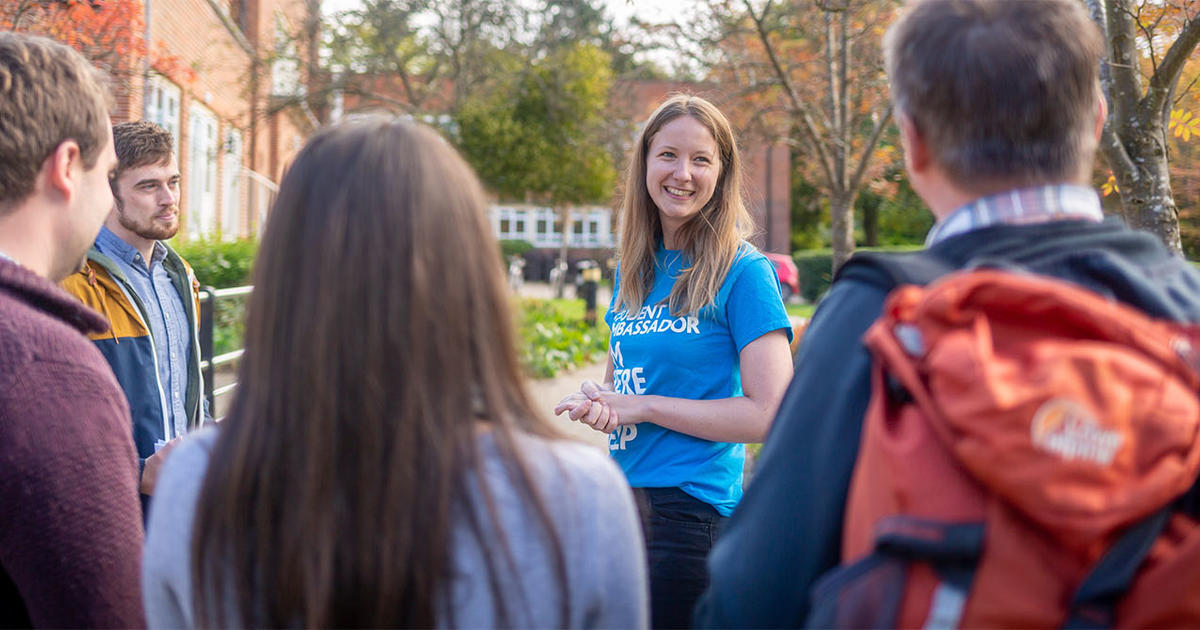
Open Days
Visiting us is the best way to get a feel for student life at the University of Worcester.
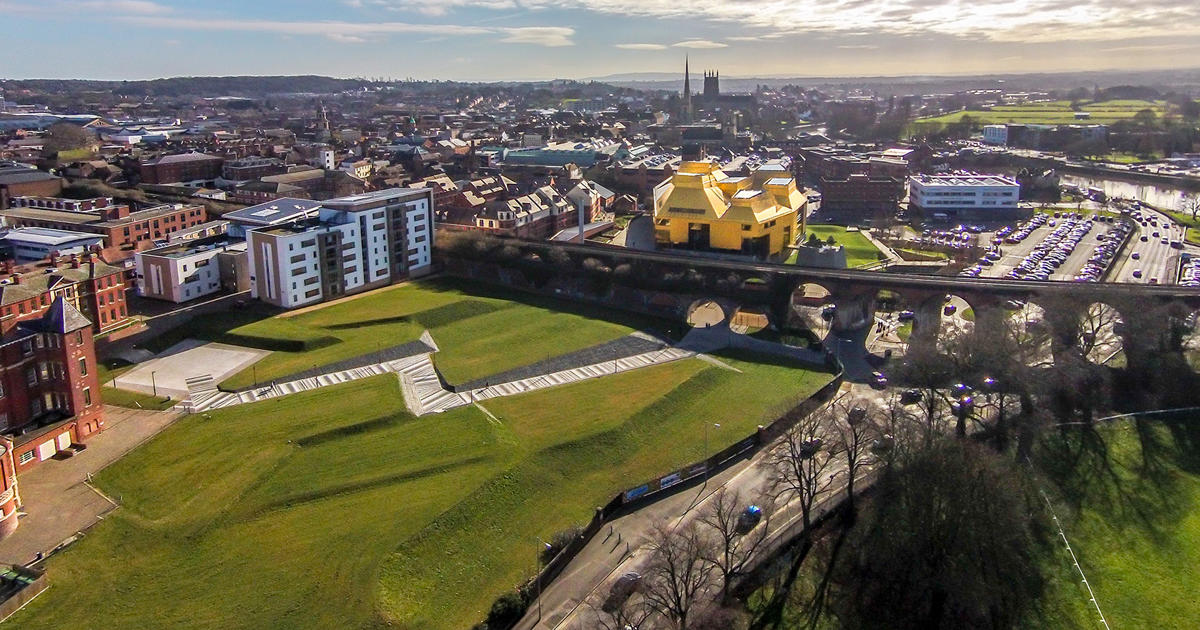
The City of Worcester
Worcester is a welcoming university city with great transport links and plenty of student parking.
Accommodation
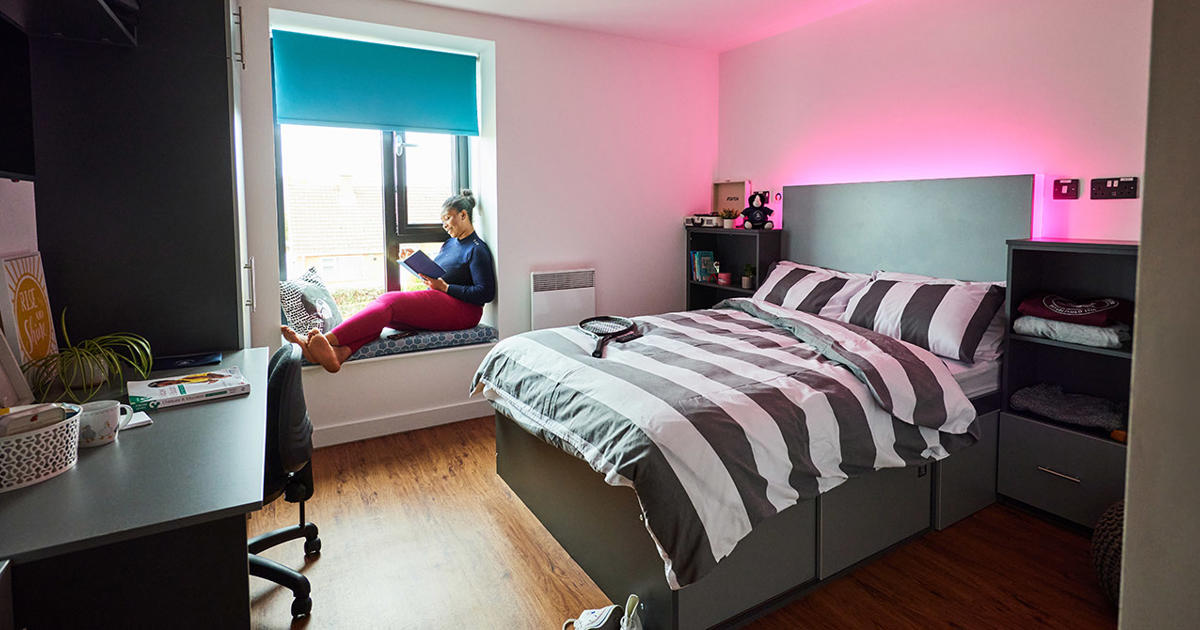
Benefit from our accommodation guarantee. We have rooms on campus to suit every budget including en-suite options.