Simulation-based education (SBE) is increasingly used across professional disciplines to support experiential learning, develop critical thinking and enhance safe practice. This module provides participants with the knowledge and practical skills required to design, facilitate and evaluate simulation-based learning activities within their own professional context.

Overview
Simulation-based education (SBE) is increasingly used across professional disciplines to support experiential learning, develop critical thinking and enhance safe practice. This module provides participants with the knowledge and practical skills required to design, facilitate and evaluate simulation-based learning activities within their own professional context.
The module explores the educational principles underpinning simulation-based learning and examines how simulation can support the development of professional competence, teamwork and reflective practice. Participants will critically engage with educational theory, simulation pedagogy and relevant professional standards to understand when and how simulation can be used effectively in education and training.
Through a blended learning approach, participants will explore key elements of the simulation cycle including scenario design, pre-briefing, facilitation, debriefing and evaluation. Practical workshops will provide opportunities to experience and practise simulation techniques within purpose-designed simulation environments.
Throughout the module, participants will develop their own simulation-based learning activity relevant to their professional context. This may be used within higher education, workplace training, or professional development settings.
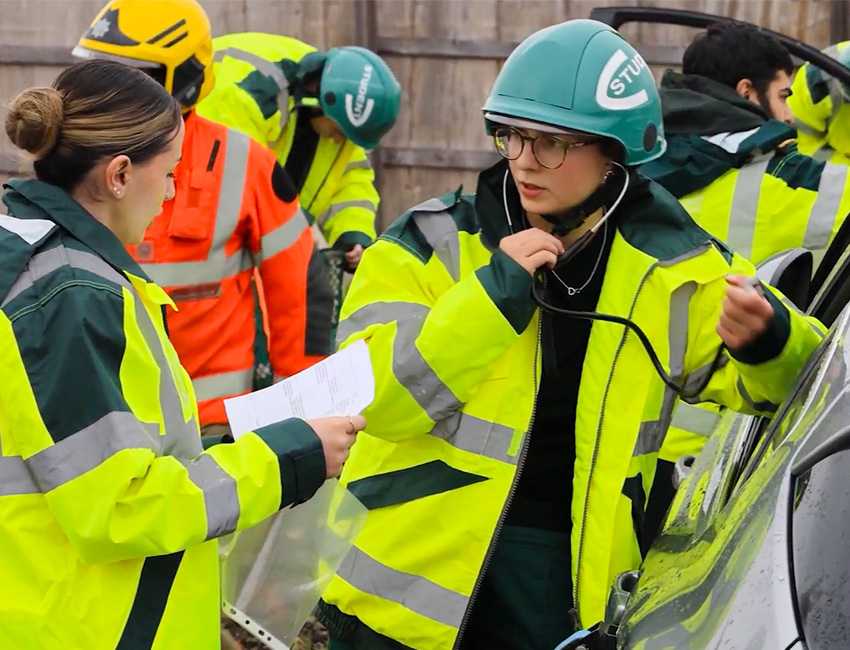
The module is designed to be applicable across a range of professional disciplines including healthcare, social work, policing, law, aviation, emergency services and any professional education settings where experiential learning can enhance professional practice.
It is expected that all advertised modules will run, but there may be situations where there are insufficient students to make a particular module viable.
Career benefits
Simulation-based education is widely recognised as a powerful approach to developing professional skills, decision-making and reflective practice. This module supports professionals who wish to integrate simulation into teaching, training and workplace learning environments.
Participants will gain the knowledge and practical experience needed to design and facilitate simulation activities that support meaningful learning and professional development. The module also develops skills in educational design, facilitation and evaluation, which are valuable for those working in teaching, training or leadership roles.
Graduates of this module will be able to apply simulation-based approaches within their own professional context, supporting innovative and effective learning experiences for students, colleagues or staff.
Completion of the module also contributes postgraduate credit towards the Professional Development MA/MSc, supporting further academic progression and career development.
Module delivery
This module is delivered through a blended learning approach, combining online learning with practical face-to-face workshops.
Online sessions will introduce key concepts in simulation-based education, including educational theory, the purpose and scope of simulation, scenario design, and the principles of effective facilitation and debriefing. Participants will engage with readings, online discussions and preparatory learning activities through the University’s virtual learning environment.
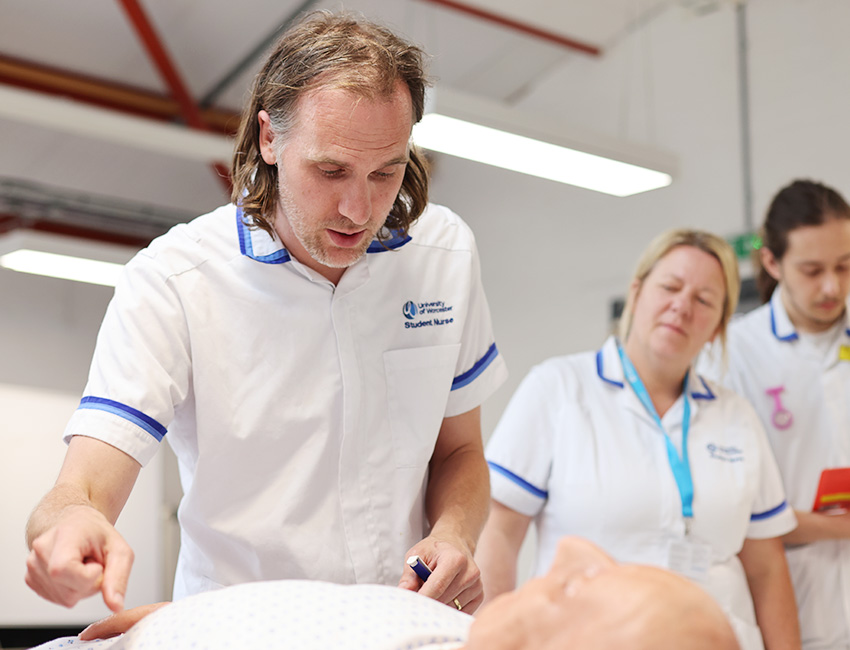
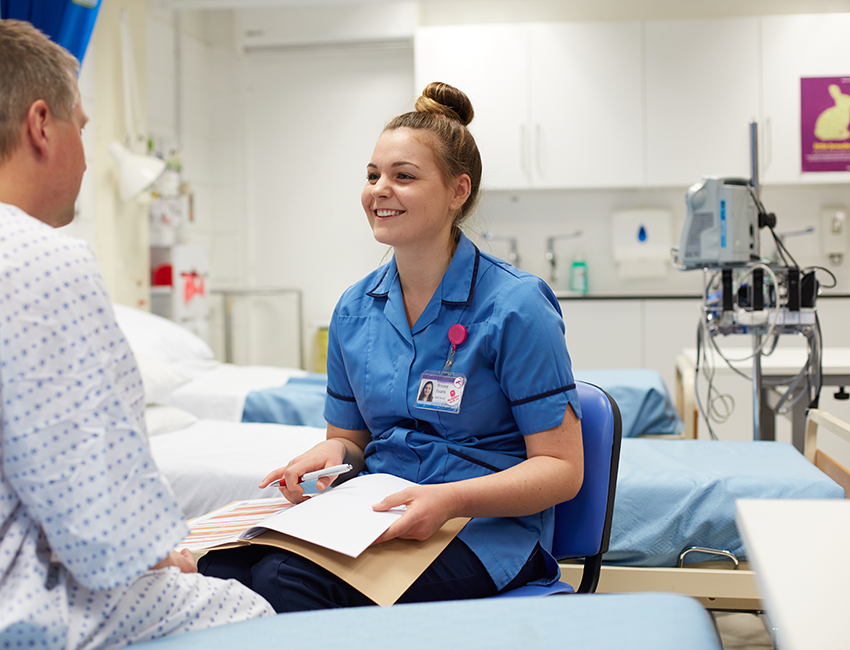
On-campus study days will provide opportunities to explore simulation environments and technologies, including immersive spaces and simulation equipment. These sessions will focus on practical aspects of simulation design, facilitation and debriefing, allowing participants to apply theoretical learning in practice.
Assessment is designed to support authentic professional application. Participants will develop and justify a simulation-based learning activity relevant to their own professional context, supported by educational theory and professional standards. They will also reflect on the implementation of simulation within their practice.
The module is led by interprofessional academics with expertise in simulation-based education, clinical skills and professional learning, drawing on experience across professional education and simulation practice.
Timetabled session date and times
The module will run across two semesters using a hybrid model of delivery. The 30-credit module comprises 300 total learning hours and is structured to support working professionals through a combination of scheduled contact, asynchronous directed learning, independent study, simulation delivery in practice and assessment preparation.
Learning will include:
Semester 1: Planning phase
Semester 1 introduces the module, core educational and simulation-based education theory, simulation design, governance, resources and formative development of the participant’s simulation design. It includes:
- Two on-campus study days, each 6 hours, focused on cohort induction, simulation participation, orientation to simulation resources and exploration of simulation design approaches.
- Four synchronous online theory sessions, supported by associated asynchronous directed study.
- Directed asynchronous learning and self-directed simulation design activity.
- A formative work-in-progress presentation and tutorial opportunity.
- Assessment 1: simulation design template and written justification.
Semester 2: Facilitation and evaluation phase
Semester 2 focuses on pre-briefing, facilitation, debriefing, delivery of a simulation-based learning activity, evaluation and preparation for Assessment 2. It includes:
- Five synchronous online theory sessions, supported by associated asynchronous directed study.
- One 6-hour on-campus practical study day focused on pre-briefing, scenario delivery, facilitation and debriefing practice.
- A simulation delivery window in which participants implement a simulation-based learning activity within their professional context or an agreed alternative setting.
- Peer observation of simulation practice, where you will invited to observe and support colleagues on the programme undertaking simulation.
- Online drop-in tutorials for assessment preparation.
- Assessment 2: Professional Discussion.
Across the module, the planned learning hours are:
- Synchronous/contact activity: 40 hours
- Asynchronous directed: 34 hours
- Assessment preparation/completion: 120 hours
- Independent study: 106 hours
- Total: 300 hours
Online sessions will introduce core concepts and provide opportunities for discussion and collaborative learning. Face-to-face study days will emphasise practical and experiential learning, including the use of simulation environments, equipment, immersive spaces, simulated patients, mannequins, part-task trainers, SMOTS/smart camera systems, telephone simulation and other high- and low-fidelity approaches.
The module will adopt a flipped and blended learning approach, enabling participants to engage with key materials in advance and use scheduled sessions for applied discussion, problem solving, design development and practical exploration.
Entry requirements
The module is suitable for any professionals who wish to develop their skills in designing and facilitating simulation-based learning within their own professional context.
Any questions?
If you have any questions about entry requirements, please call our Admissions Office on 01905 855111 or email admissions@worc.ac.uk.
Contact
If you have any questions, please get in touch. We're here to help you every step of the way.
Admissions Office
admissions@worc.ac.ukAdmissions Office
admissions@worc.ac.uk01905 855111