Our Zoology course engages with a wide field of activity, giving our graduates the expertise that they will need to access a variety of Zoological careers. You will study animal life from the smallest cellular and physiological levels through to whole organisms and their interactions with each other and the environment.
of students said this course is often intellectually stimulating

University of the Year finalist
Recognised for our graduate success, we’re shortlisted for University of the Year in the Times Higher Education Awards 2025.
Overview
Zoologists use their skills in biological science to advance and support the study of animals.
On this course, you will be taught by experts with a wide range of experience from behavioural studies, through physiology to practical conservation. You'll get to explore the wonders of the animal kingdom, including their evolution, taxonomy, physiology, behaviour and conservation.
In the first year the modules allow you to develop a comprehensive understanding of the key elements of the subject. In Years 2 and 3 the topics become more specialised, and our modular scheme allows you to focus on the aspects of animal life which you find most interesting, ranging from animal behaviour to eco-physiology.
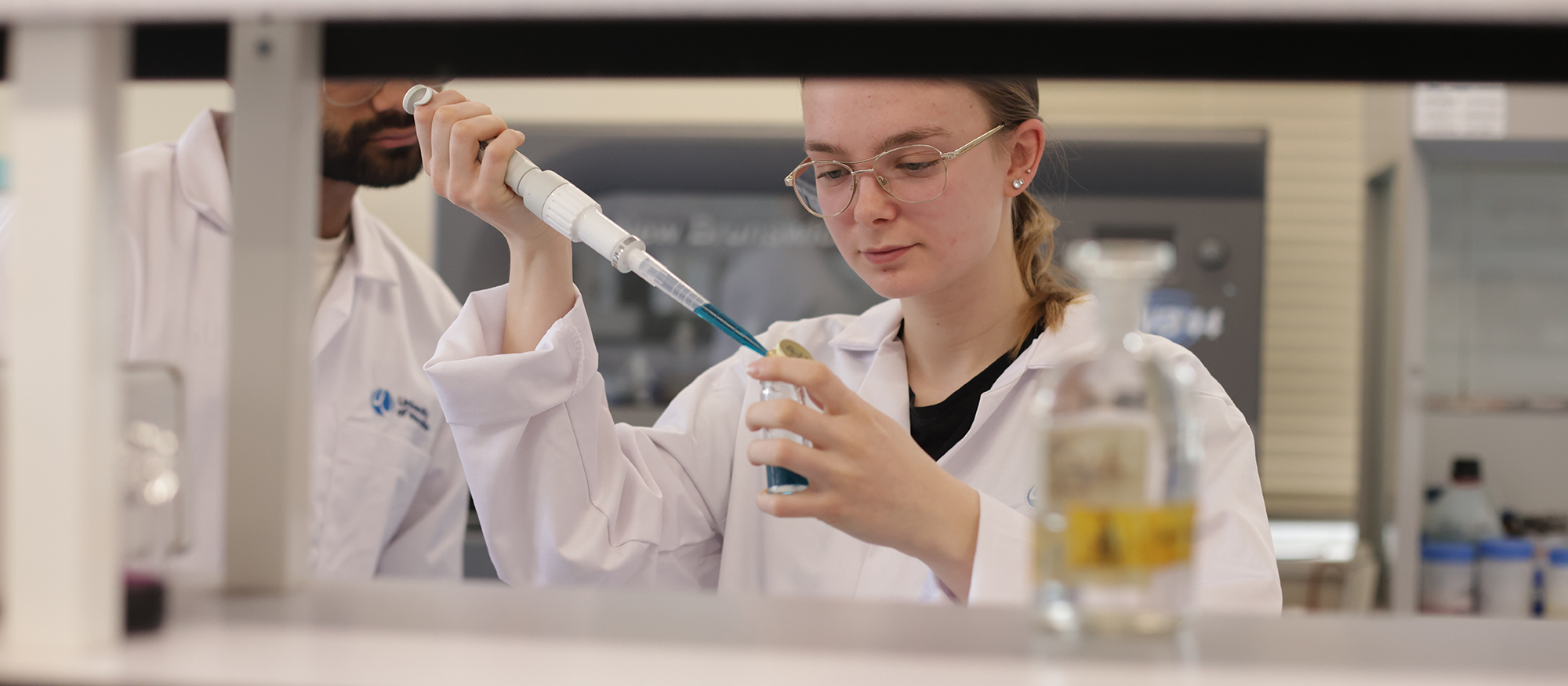
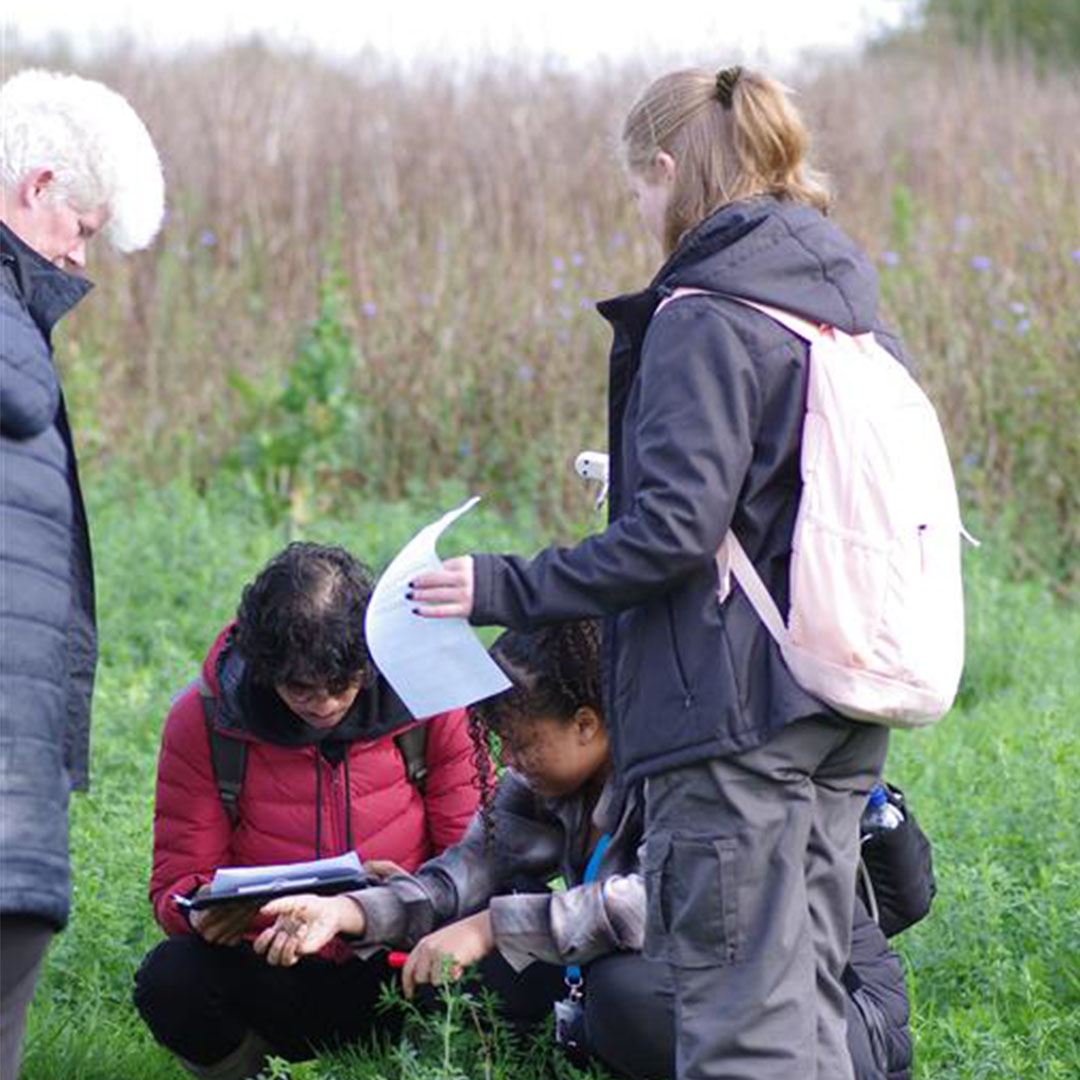
Our course has a strong practical emphasis, complementing a traditional approach to learning and giving you the chance to develop skills that could be of great value in later employment.
You'll be able to follow your interests and career aspirations by choosing your Research Project. Past studies have looked at genetic diversity in European populations of Eurasian Lynx, identification of Nosema apis fungus from soil moisture and faeces from honeybee hives, a comparison of activity budgets and social behaviours of barbary macaques with and without dependent young, and suitable habitat for recolonisation of wolves in Central Europe.
Work experience
During your time at Worcester you’ll have the opportunity to take part in subject-related work experience and volunteering activities. In your second year you can choose to take a work experience module, enabling you to apply their scientific and personal skills within a real working environment.
Course content
At Worcester, you can shape your Biological Sciences (Zoology) BSc to suit you, with a range of optional modules to choose from in your second and third years.
We regularly review our courses to reflect the latest research and developments in the subject area, as well as feedback from students, employers and the wider sector. As a result, modules may change to ensure the course remains current and relevant.
Optional modules will run if enough students choose to study them. It is not guaranteed that all modules will be offered every year.
Careers
Our Zoology degree will prepare you for a range of careers, including:
- Wildlife trust officer/reserve officer
- Conservation officer
- Scientific advisor
- Clinical trials data manager
- Teaching and education
- Progression to further study, such as a PhD
By studying Zoology, you’ll develop key skills in problem-solving, critical thinking, data evaluation and communication that will be valuable to many areas of employment. These transferable skills could lead to you considering other career paths, including:
- Primary or secondary teaching
- Scientific publishing
- Accounting
- Environmental management
If you do choose to become a teacher, you can train to teach with a one-year Primary or Secondary PGCE at Worcester.
Course highlights
Teaching and assessment
We enable you to develop the independent learning capabilities that will equip you for lifelong learning and future employment, as well as academic achievement.
A mixture of independent study, teaching and academic support through the personal academic tutoring system enables you to reflect on progress and build up a profile of skills, achievements and experiences that will enable you to flourish and be successful.
Teaching and assessment contents
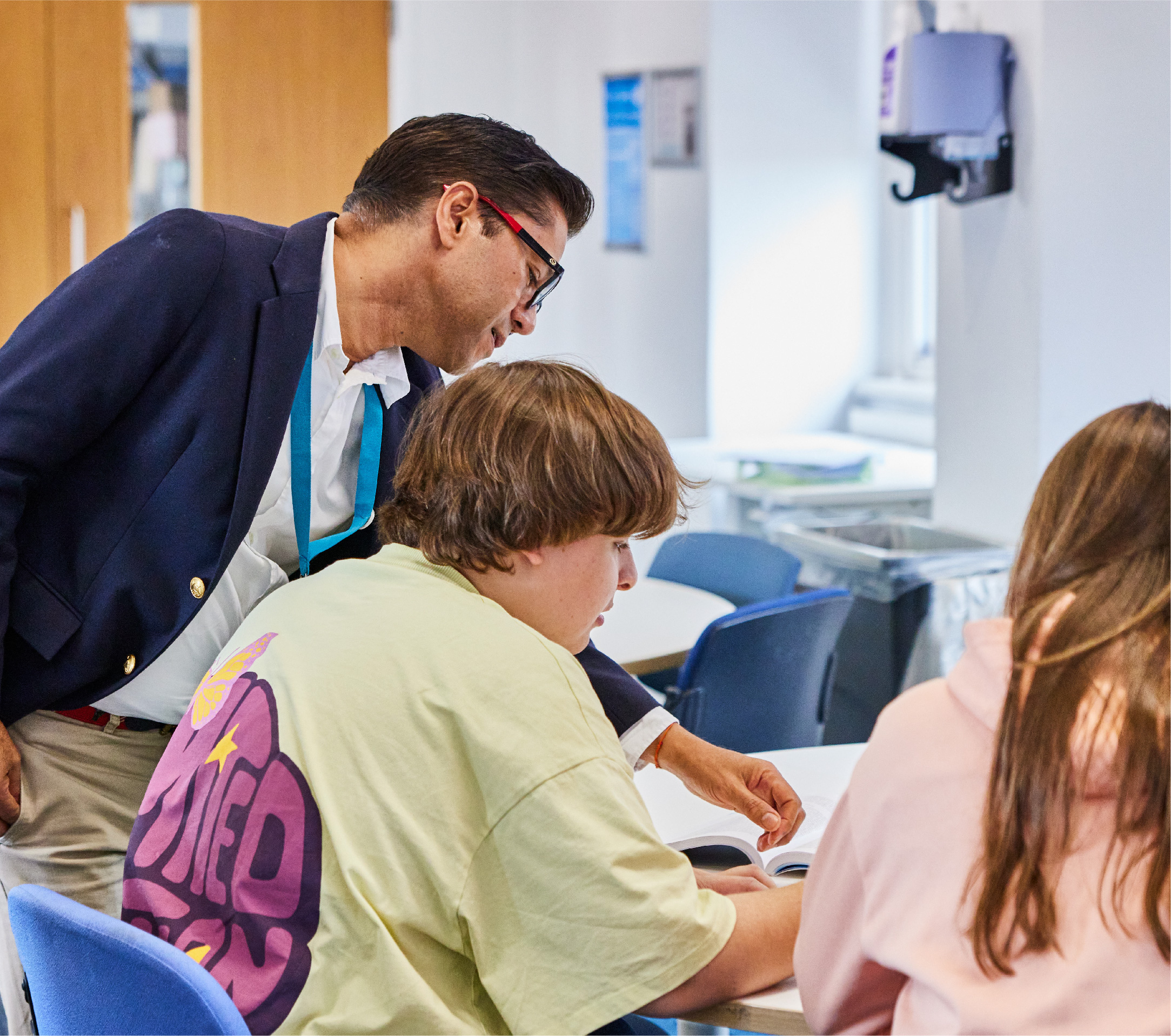
You are taught through a combination of lectures, practical work, field work, video presentations, group tutorials, discussions, directed reading, and formative assessments. The first year also includes study skills sessions. The course is very practical and offers you the opportunity to undertake an independent research project in your third year. The emphasis on the development of 'hands on' practical skills will provide you with useful skills for your future career.
In addition, meetings with personal academic tutors are scheduled on at least 4 occasions in the first year and three occasions in each of the other years of a course.
You have an opportunity to take a work experience module in your second year, to engage with an Erasmus scheme and spend a semester abroad.
Meet the team
You will be taught by a teaching team whose expertise and knowledge are closely matched to the content of the modules on the course.

Dr Susanna Prankel
Susanna is a vet by training and has spent time in large, small and exotic animal practice in England, Germany and Zimbabwe. Susanna's teaching is very much informed by this practical experience as well as her research experience (particularly from her time at Cambridge University where she completed her PhD on cadmium in the human food chain particularly investigating the accumulation of cadmium in animals).
Susanna's interests are also shaped by her study of philosophy, resulting in a strong interest in animal welfare and ethics.
Dr Steven J Coles
Steve is a Biochemist with specialism in Immunology and Haematology. Steve’s research primarily focuses on a type of haematological cancer known as Acute Myeloid Leukaemia (AML). His research has helped gain understating of how AML cells escape immune attack. Steve’s research also focusses on clinical medicine, and through collaboration with the Cardiology Department at the local NHS Trust, his work has identified new blood biomarkers that are associated with increased risk of heart attack.
Steve established and leads the Worcester Biomedical Research Group.
Dr Kate Ashbrook
Dr Chris Brown
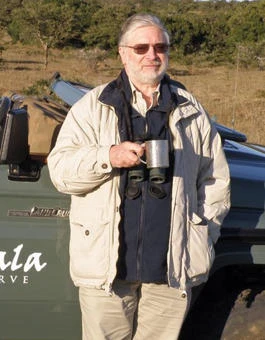
Chris studied at the University of Cape Town in South Africa. Following completion of his Honours degree, he joined the Percy FitzPatrick Institute of African Ornithology where he worked on their sub-Antarctic programme for several years, which included over two years carrying out research on the energetics and ecology of penguins, albatrosses and petrels on Marion Island in the sub-Antarctic.
Dr Susanna Prankel
Susanna is a vet by training and has spent time in large, small and exotic animal practice in England, Germany and Zimbabwe. Susanna's teaching is very much informed by this practical experience as well as her research experience (particularly from her time at Cambridge University where she completed her PhD on cadmium in the human food chain particularly investigating the accumulation of cadmium in animals).
Susanna's interests are also shaped by her study of philosophy, resulting in a strong interest in animal welfare and ethics.
Dr Steven J Coles
Steve is a Biochemist with specialism in Immunology and Haematology. Steve’s research primarily focuses on a type of haematological cancer known as Acute Myeloid Leukaemia (AML). His research has helped gain understating of how AML cells escape immune attack. Steve’s research also focusses on clinical medicine, and through collaboration with the Cardiology Department at the local NHS Trust, his work has identified new blood biomarkers that are associated with increased risk of heart attack.
Steve established and leads the Worcester Biomedical Research Group.
Entry requirements
UCAS tariff points required: 96 - 104
| Qualification | Grade |
|---|---|
| A-level | CCC - must include A-Level Biology, Human Biology or Chemistry and A-Level in another science, Maths or Statistics |
| A-level | BCC - must include A Level Biology, Human Biology or Chemistry |
| BTEC National Extended Diploma | MMM/DMM |
| T-level | Pass (C or above) |
We do accept Access to HE Diplomas and other qualifications which may not exactly match the combinations above. Work out your estimated points with the UCAS tariff calculator.
Any questions?
If you have any questions about entry requirements, please call our Admissions Office on 01905 855111 or email admissions@worc.ac.uk.
Fees
Fees contents
UK and EU students
In 2026/27 the standard fee for full-time home and EU undergraduate students on BA/BSc/LLB degrees and FdA/FdSc degrees is £9,790 per year.
Tuition fees are reviewed annually and may increase each year for both new and continuing students.
For more details on course fees, please visit our course fees page.
International students
In 2026/27 the standard tuition fee for full-time international students enrolling on BA/BSc/LLB degrees and FdA/FdSc degrees is £17,200 per year.
Tuition fees are reviewed annually and may increase each year for both new and continuing students.
For more details on course fees, please visit our course fees page.
Case studies

Shannon Bolton
Having achieved a First Class degree in Animal Biology, Shannon has gained a coveted place at Bristol Veterinary School to study Veterinary Science. “The lecturers at Worcester were fantastic. They really get to know their students and support them with their aspirations and are always there when you need them.”
During her studies, Shannon spent one day a week at Lowesmoor House Vets gaining veterinary work experience. Through this she conducted her final year research project on canine mitral valve disease, looking at whether a particular drug used for managing clinical signs was effective and whether there were mutations along a small section of DNA in dogs with the disease compared to dogs without the disease. This is an area of research she hopes to continue with in future. Once qualified, Shannon plans to start off in mixed practice before eventually specialising in small animal cardiology.

Meera Solanki
Meera Solanki achieved two Academic Scholarship Awards during her studies at the University, in recognition of her top grades. She graduated with a First Class Honours degree in Animal Biology.
“Three years ago I wasn’t sure about going to university so if someone had told me back then that I would achieve this, I wouldn’t have believed them,” said the 21-year-old, from Solihull. “I hope to go on to study a Master’s in Biomedicine, researching human diseases including their causes and development.”
Shannon Bolton
Having achieved a First Class degree in Animal Biology, Shannon has gained a coveted place at Bristol Veterinary School to study Veterinary Science. “The lecturers at Worcester were fantastic. They really get to know their students and support them with their aspirations and are always there when you need them.”
During her studies, Shannon spent one day a week at Lowesmoor House Vets gaining veterinary work experience. Through this she conducted her final year research project on canine mitral valve disease, looking at whether a particular drug used for managing clinical signs was effective and whether there were mutations along a small section of DNA in dogs with the disease compared to dogs without the disease. This is an area of research she hopes to continue with in future. Once qualified, Shannon plans to start off in mixed practice before eventually specialising in small animal cardiology.
Meera Solanki
Meera Solanki achieved two Academic Scholarship Awards during her studies at the University, in recognition of her top grades. She graduated with a First Class Honours degree in Animal Biology.
“Three years ago I wasn’t sure about going to university so if someone had told me back then that I would achieve this, I wouldn’t have believed them,” said the 21-year-old, from Solihull. “I hope to go on to study a Master’s in Biomedicine, researching human diseases including their causes and development.”
How to apply
How to apply contents
Applying through UCAS
UCAS is the central organisation through which applications are processed for full-time undergraduate courses in the UK.
Read our how to apply pages for more information on the application process, or if you’d like to apply for part-time study.
Biological Sciences (Zoology) BSc (Hons) - D300
Contact
If you have any questions, please get in touch. We're here to help you every step of the way.
Admissions Office
admissions@worc.ac.uk01905 855111More to explore
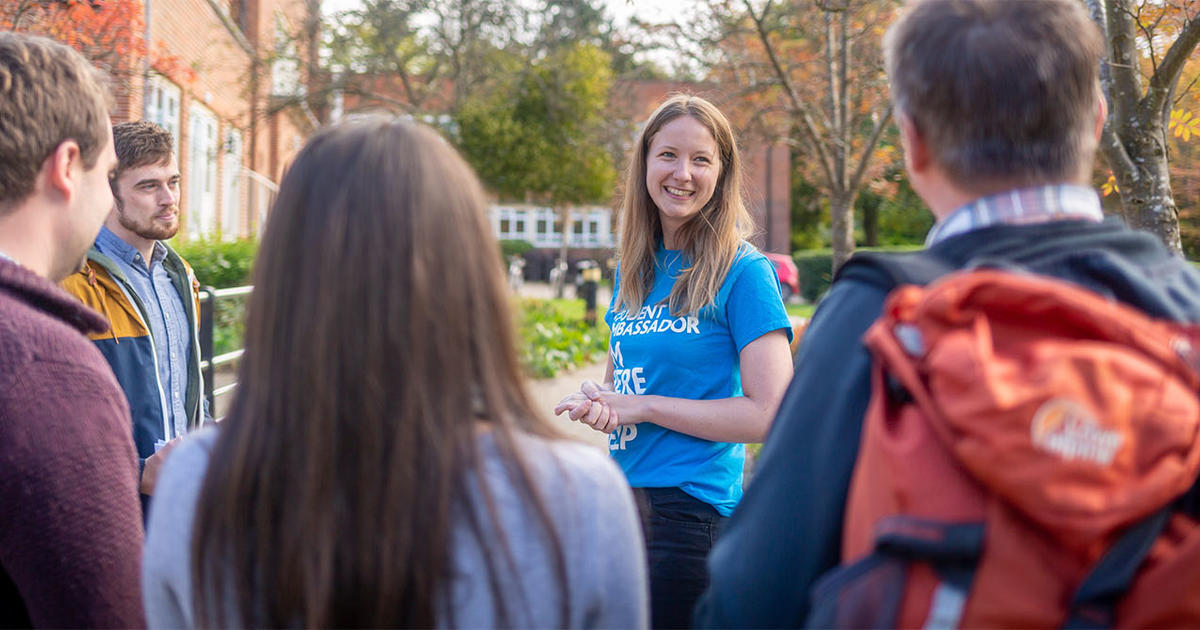
Open Days
Visiting us is the best way to get a feel for student life at the University of Worcester.
The City of Worcester
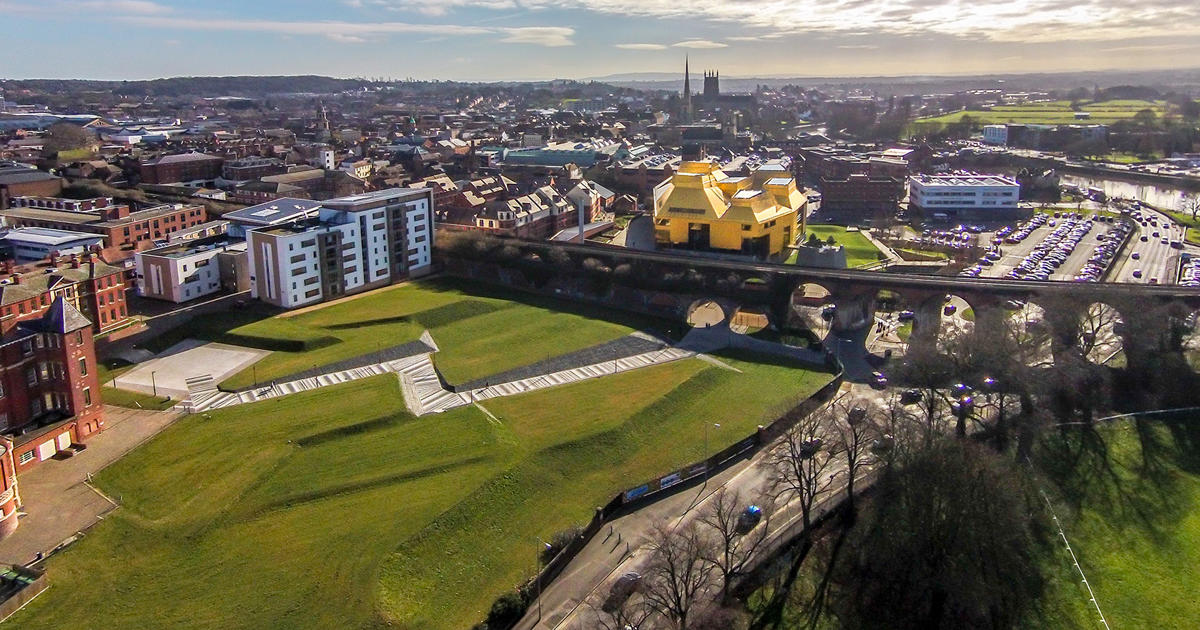
Worcester is a welcoming university city with great transport links and plenty of student parking.
Accommodation
Benefit from our accommodation guarantee. We have rooms on campus to suit every budget including en-suite options.