This course is shaped by debate, investigation and real political experience. You’ll work closely with our expert lecturers to explore contentious issues, carry out your own research and see politics first‑hand, including an organised visit to Parliament.
our Sociology courses are top 10 in the UK for teaching quality
Overview
Sociology with Politics helps you make sense of the world you live in, from the headlines you read to the policies that shape education, work, communities and the environment. On this course, you’ll explore how power works, who it benefits and how it affects different people’s everyday lives.
You’ll learn how to question news stories, political speeches and online narratives, looking beyond surface‑level arguments to understand what’s really going on. As you explore current political debates such as such as climate change, digital surveillance, social inequality and political protest, you’ll examine how political decisions are made and communicated. You’ll also explore how these decisions are experienced differently by groups across society.
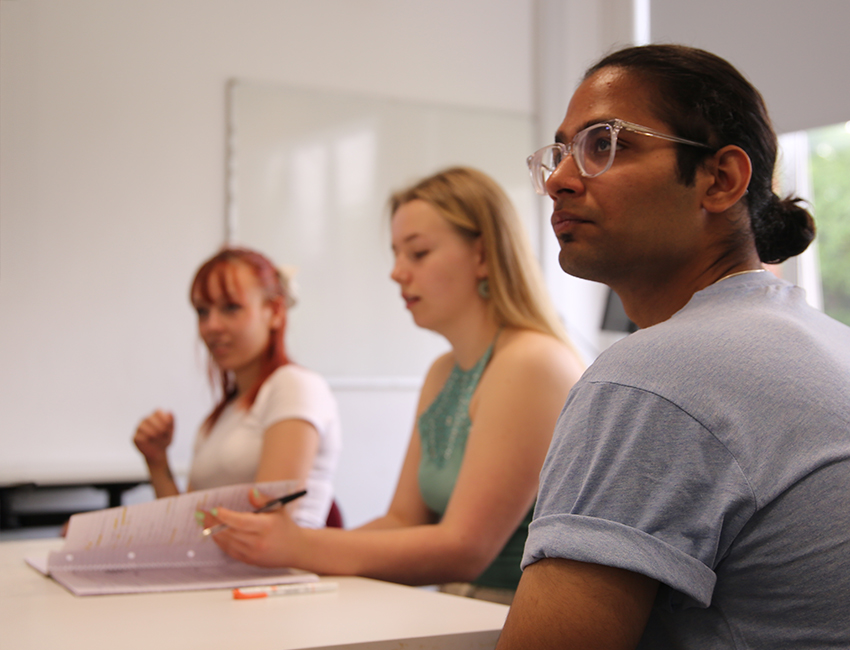
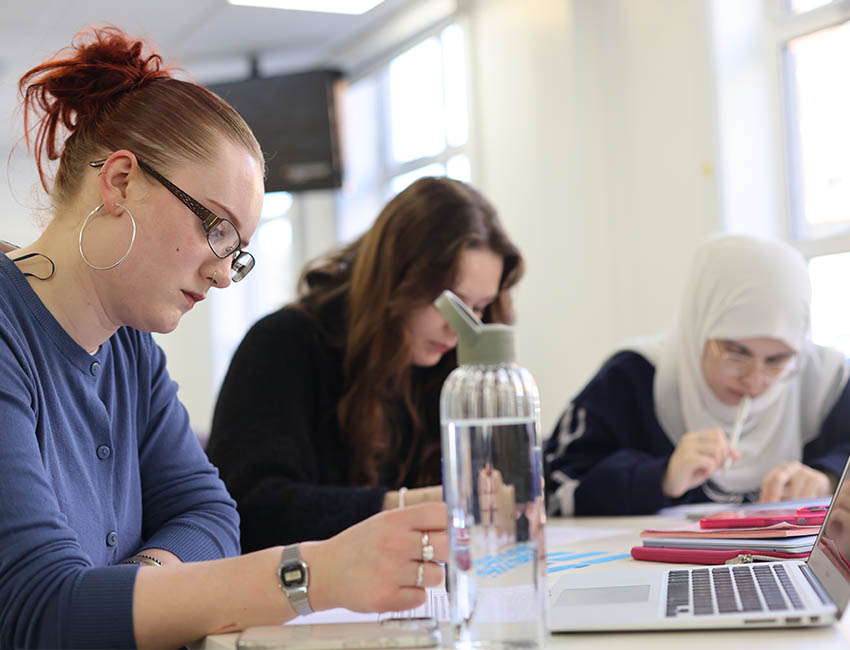
Teaching is centred on discussion, debate and real‑world investigation. In seminars, you’ll work with others to analyse case studies, unpack controversial issues and explore different viewpoints, helping you develop confidence in expressing your own ideas. You’ll also gain practical research experience by carrying out interviews, making observations and running small‑scale research projects focused on issues that matter to you. This hands‑on approach builds skills in analysis, communication and critical thinking that are valuable across a wide range of careers.
By studying politics in Westminster, across Europe and on the global stage, you’ll connect sociological ideas with real‑world events, seeing how policies are shaped and how they affect individuals and communities in practice. You’ll have opportunities to collaborate with others on projects and take part in an organised visit to Parliament, helping you see political processes first‑hand.
Placements
In your second year, you’ll have the option to take a work placement module, giving you the chance to take what you’ve learned and use it in the real world. It’s a great opportunity to see how sociology and politics work beyond the classroom, while developing practical skills and building your confidence in a professional setting.
Students on the course have previously completed placements in schools, charities, community organisations, and arts and heritage settings, working on projects linked to policy, education and community engagement.
Course content
Each year you will study a mix of mandatory and optional modules. Our diverse curriculum, taught by active researchers, will allow you to explore many different themes before you choose your dissertation specialism in Year Three.
We regularly review our courses to reflect the latest research and developments in the subject area, as well as feedback from students, employers and the wider sector. As a result, modules may change to ensure the course remains current and relevant.
Optional modules will run if enough students choose to study them. It is not guaranteed that all modules will be offered every year.
Careers
You’ll be supported throughout the course to think about where your studies could take you. Through modules that focus on real‑world issues, reflection and applied learning, you’ll start to connect what you study with the kinds of roles and sectors that interest you.
You’ll have opportunities to learn from people working in relevant fields, explore different career paths and build confidence in analysing information, communicating ideas and solving problems in context. These experiences help you understand how your skills can be used in the real world and what kinds of work suit your interests and strengths.
Our graduates have gone on to careers such as:
- Policy Assistant
- Social Researcher
- Campaigns Coordinator
- Communications Officer
- Research Assistant
- Outreach Officer
Opportunities for further study
Many graduates choose to continue their studies at postgraduate level. Popular options include:
Course highlights


Teaching and assessment
Teaching is a mix of interactive seminars, lectures, one-to-one tutorials and workshops. Our modules give you the opportunity to combine your own research as a sociologist with the academic knowledge of politics.
Teaching and assessment contents
You are taught through a combination of short, interactive lectures and student-led seminars and workshops.
Taught sessions will encourage you to think reflexively in critically approaching the disciplines, their traditions, and perspectives, with a focus on identifying new, diverse and exciting research.
Teaching in Sociology with Politics puts digital literacy, citizenship, and sustainable development at the centre of the student experience, helping you to develop transferable employability skills, and thinking ahead for further study or graduate employment.
You will be empowered to develop your own independent learning and research skills, preparing you for lifelong learning and future graduate employment.
Entry requirements
UCAS tariff points required: 104
| Qualification | Grade |
|---|---|
| A-level | BCC |
| BTEC National Extended Diploma | BCC |
| T-level | Merit |
We do accept Access to HE Diplomas and other qualifications which may not exactly match the combinations above. Work out your estimated points with the UCAS tariff calculator.
Any questions?
If you have any questions about entry requirements, please call our Admissions Office on 01905 855111 or email admissions@worc.ac.uk.
Fees
Fees contents
UK and EU students
The standard fee for full-time home and EU undergraduate students on BA/BSc/LLB degrees and FdA/FdSc degrees in the academic year 2027/28 is £10,050 per year.
Tuition fees are reviewed annually and may increase each year for both new and continuing students.
For more details on course fees, please visit our course fees page.
International students
The standard tuition fee for full-time international students enrolling on BA/BSc/LLB degrees and FdA/FdSc degrees in the academic year 2027/28 is £17,700 per year.
Tuition fees are reviewed annually and may increase each year for both new and continuing students.
For more details on course fees, please visit our course fees page.
How to apply
How to apply contents
Applying through UCAS
UCAS is the central organisation through which applications are processed for full-time undergraduate courses in the UK.
Read our how to apply pages for more information on the application process, or if you’d like to apply for part-time study.
Sociology with Politics: LL22
Contact
If you have any questions, please get in touch. We're here to help you every step of the way.

Admissions Office
admissions@worc.ac.uk01905 855111More to explore
Open Days
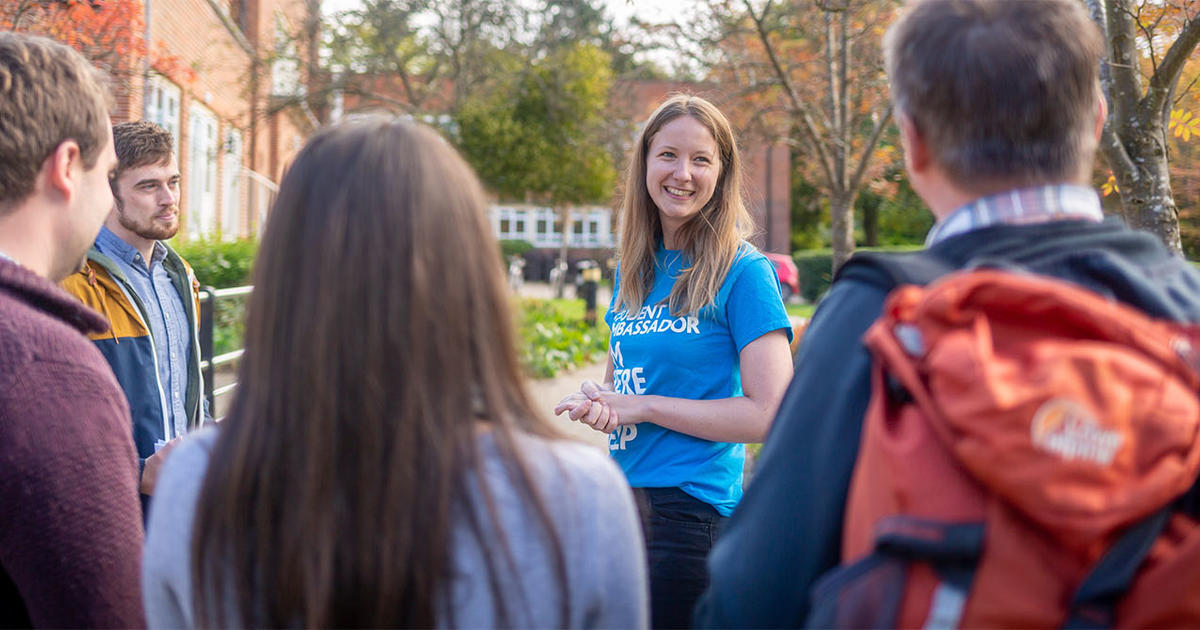
Visiting us is the best way to get a feel for student life at the University of Worcester.
The City of Worcester
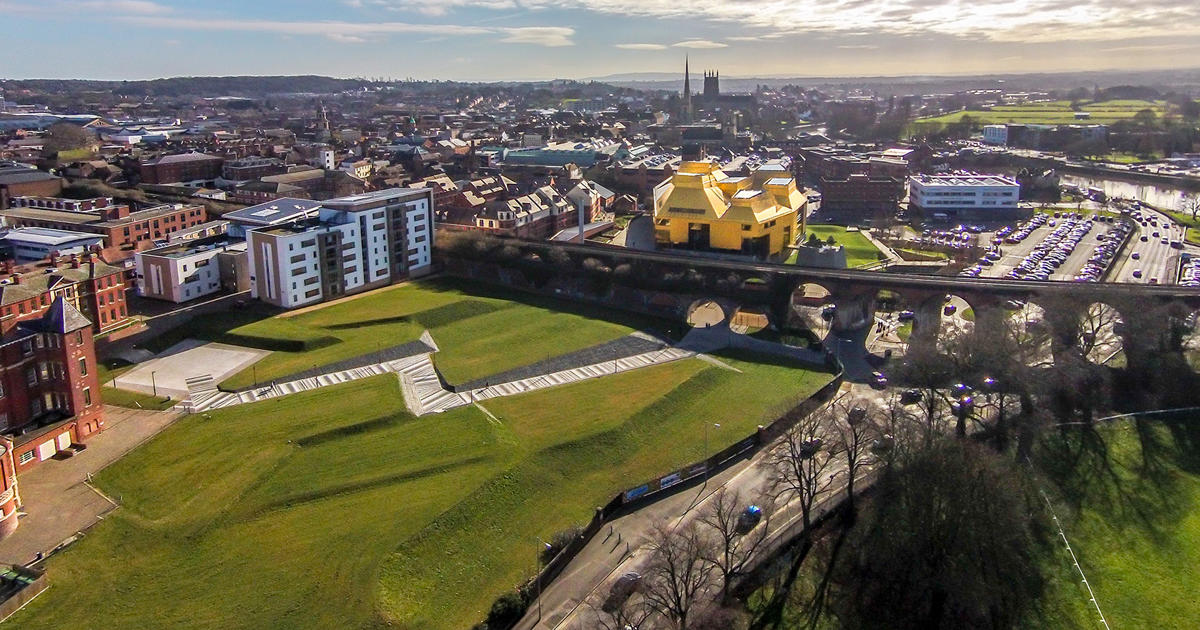
Worcester is a welcoming university city with great transport links and plenty of student parking.
Accommodation
Benefit from our accommodation guarantee. We have rooms on campus to suit every budget including en-suite options.