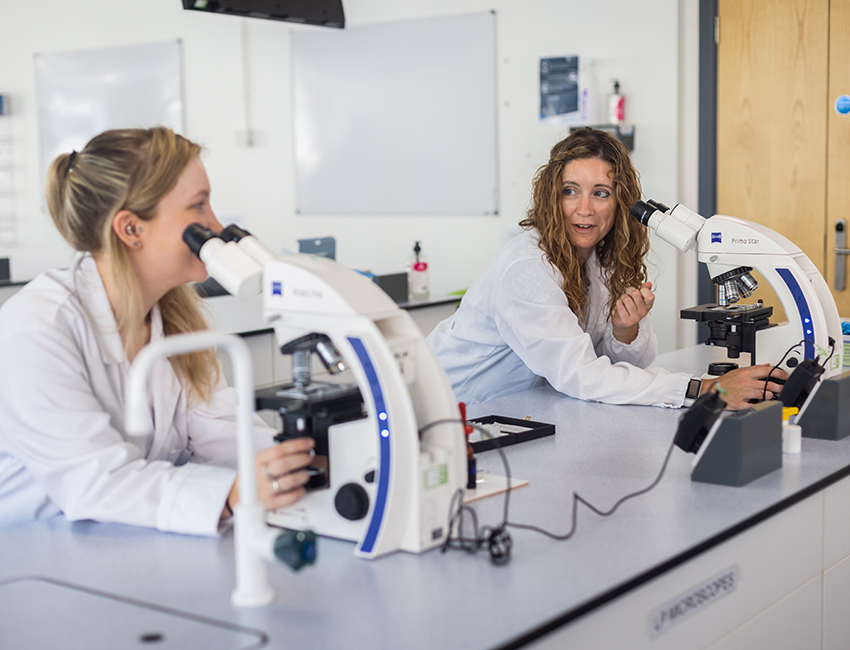
At Worcester, you'll engage with the subject at every level, from biochemistry and molecular biology through to whole organisms and how they interact. Whether you choose to specialise or keep your interests wider, you'll be well equipped for a wide range of careers when you graduate.
of students said the course often challenges them to achieve their best work

Clearing 2026
Apply now to start this September. Check course availability, find out how to secure your place and take advantage of our accommodation guarantee on our Clearing webpages or by calling 01905 544433.
Overview
Biologists study living things, their relationships with each other, and how they interact with their wider environment.
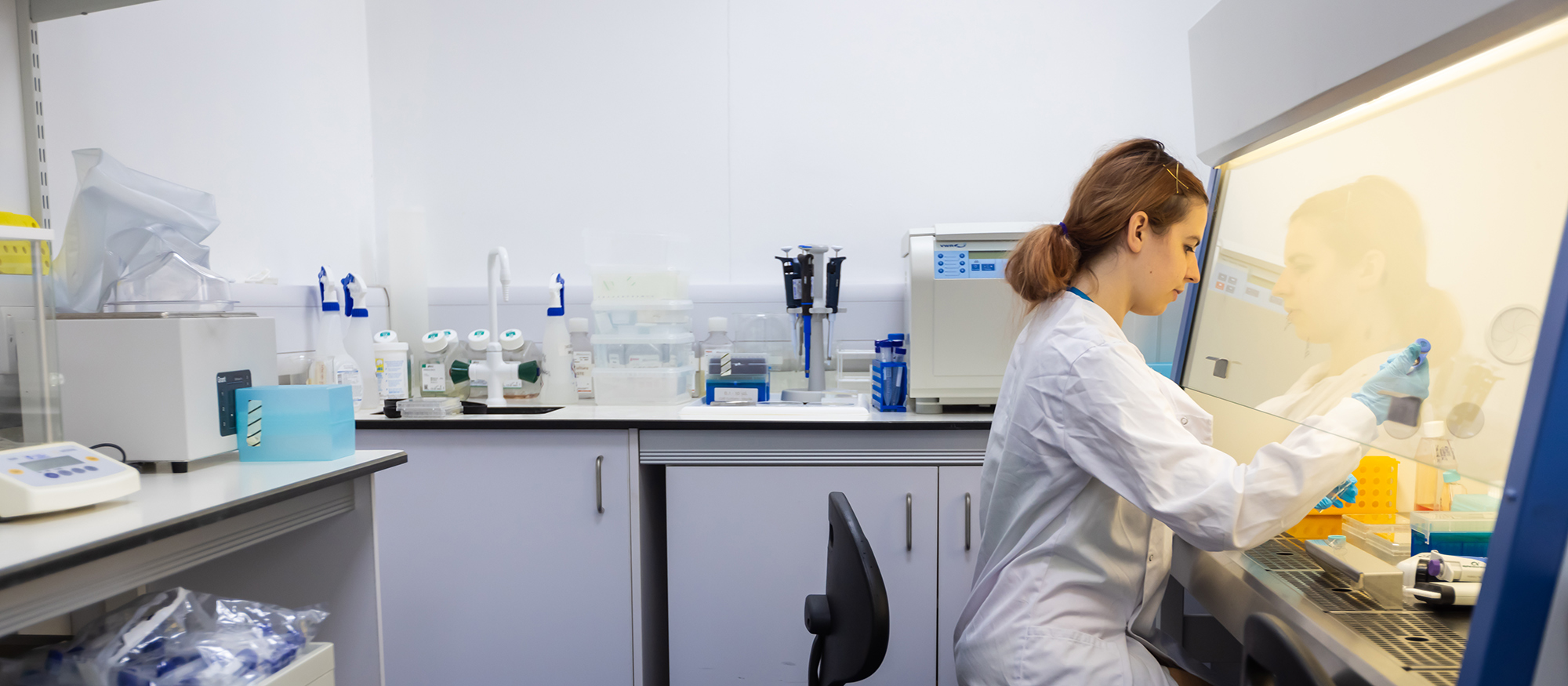
On this course, you'll get to explore the full spectrum of the biological sciences, including human biology, zoology, plant biology, molecular biology and biochemistry. You'll be taught by experts from a wide range of scientific fields in small class sizes, meaning you'll have regular access to the knowledge of your lecturing team and to our excellent laboratory facilities.
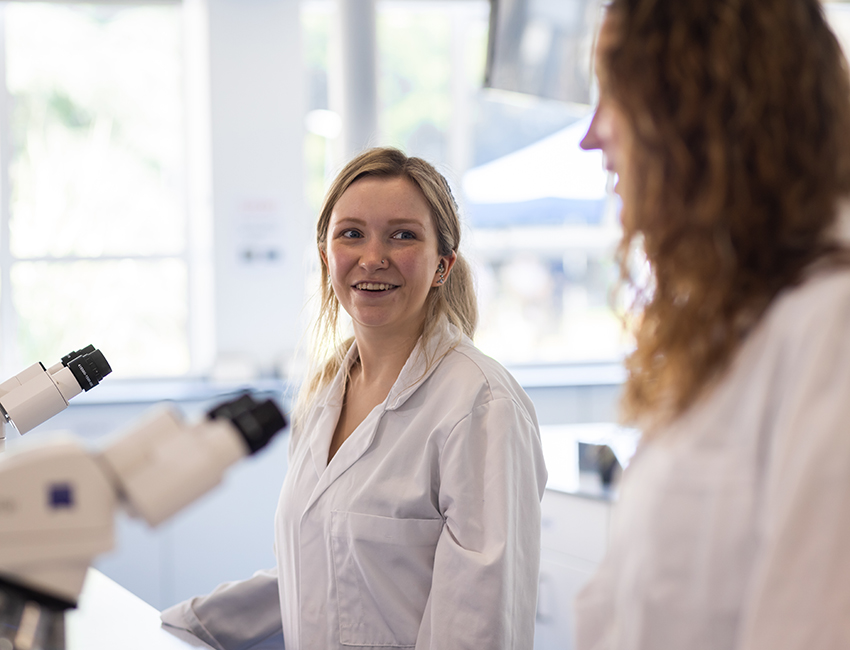
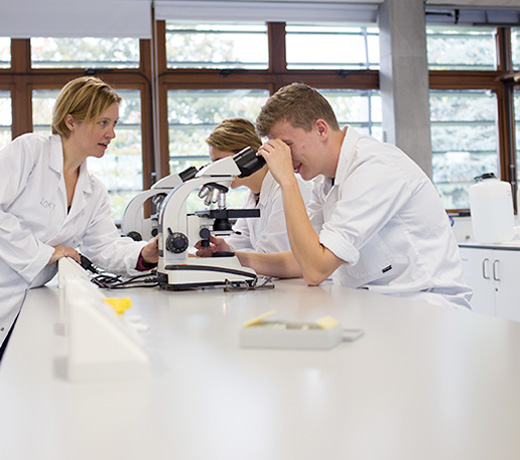
You'll gain professional skills by completing practical, lab-based investigations alongside your traditional lectures and seminars. Throughout your studies, you'll also be supported by staff to boost your CV and develop your interviewing skills, preparing you for your future career.
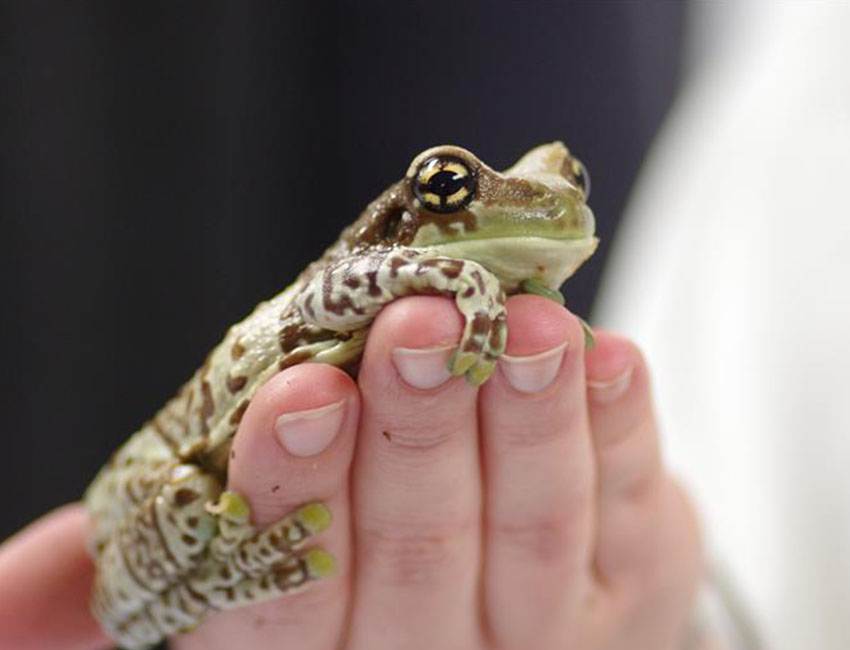
You'll be able to follow your interests and career aspirations by choosing your own final-year Research Project. Recent studies have explored topics such as reproduction in amphibians, extracting DNA from hair samples in small mammal traps and mapping SPH gene duplication in thale cress.
Work experience
During your time at Worcester, you’ll be given opportunities to take part in subject-related work experience and volunteering activities. In your second year, you can also choose to take our work experience module, which will enable you to apply your scientific and personal skills within a real working environment.
Course content
At Worcester, you can shape your Biological Sciences (Biology) BSc to suit you, with a range of optional modules to choose from in your second and third years.
Optional modules will run if they receive enough interest. It is not guaranteed that all modules will run every year.
Careers
Our Biology degree will prepare you for a range of careers, including:
- Biotechnologist
- Research scientist
- Academic researcher
- Laboratory technician
- Microbiologist
- Soil scientist
- Nanotechnologist
- Marine biologist
- Water quality scientist
- Progression to further study, such as a PhD
By studying Biology, you’ll develop key skills in problem-solving, critical thinking, data evaluation and communication that will be valuable to many areas of employment. These transferable skills could lead to you considering other career paths, such as:
- Primary or secondary teaching
- Scientific publishing
- Sustainability consultation
- Nature conservation
- Diagnostic radiography
If you do choose to become a teacher, you can train to teach with a one-year Primary or Secondary PGCE at Worcester.
Course highlights
Teaching and assessment
We enable you to develop the independent learning capabilities that will equip you for lifelong learning and future employment, as well as academic achievement.
A mixture of independent study, teaching and academic support through the personal academic tutoring system enables you to reflect on progress and build up a profile of skills, achievements and experiences that will enable you to flourish and be successful.
Teaching and assessment contents
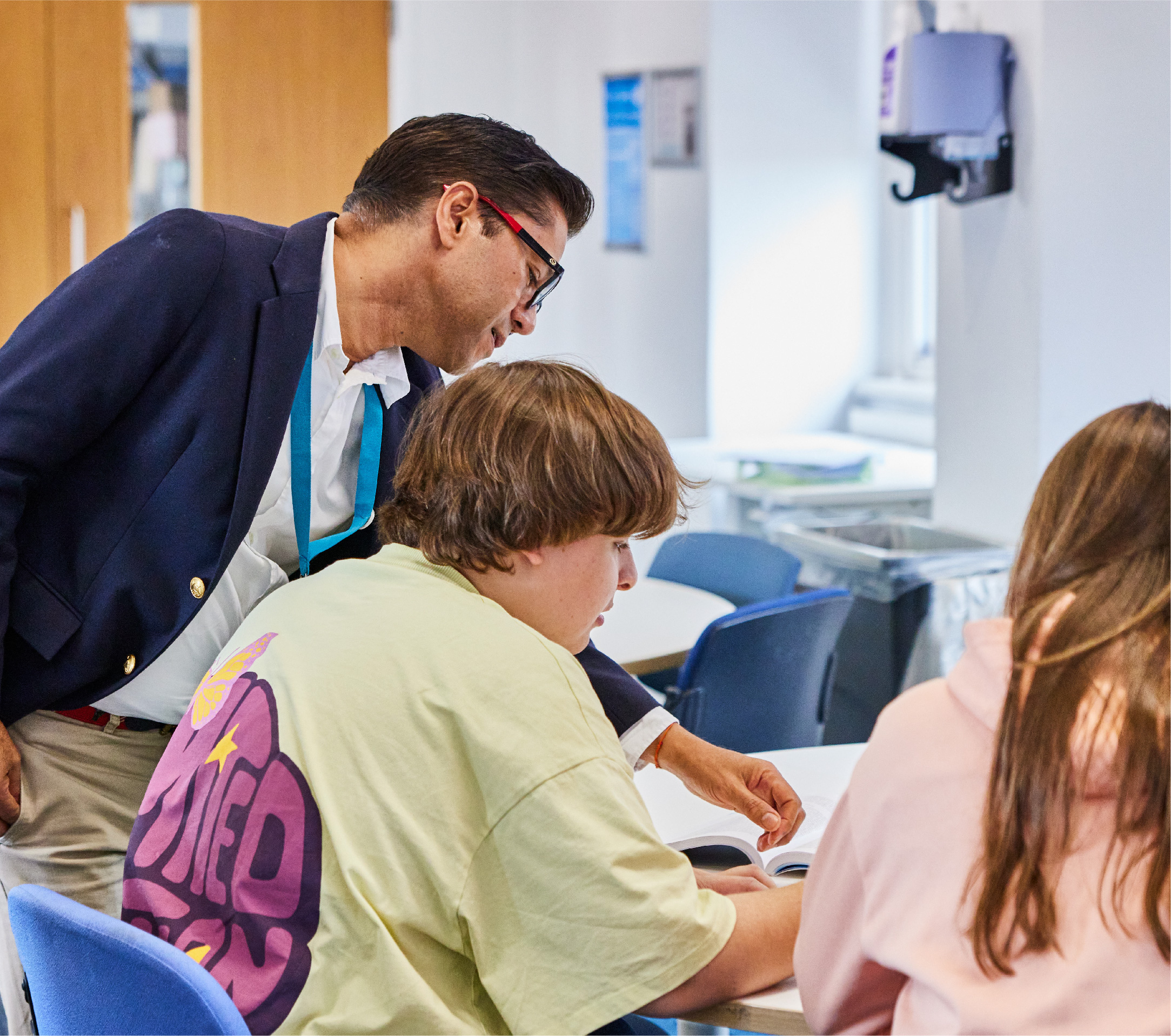
You are taught through a combination of lectures, practical work, field work, video presentations, group tutorials, discussions, directed reading, and formative assessments. The first year also includes study skills sessions. The course is very practical and offers you the opportunity to undertake an independent project in your third year. The emphasis on the development of 'hands on' practical skills will provide you with useful skills for your future career.
In addition, meetings with personal academic tutors are scheduled on at least 4 occasions in the first year and three occasions in each of the other years of a course.
You have an opportunity to take a work experience module in your second or third year, to engage with an Erasmus scheme and spend a semester abroad, or to become involved in staff research through the Vacation Research Assistantship Scheme.
Meet the team
Just a few of the science lecturers you'll be taught by.
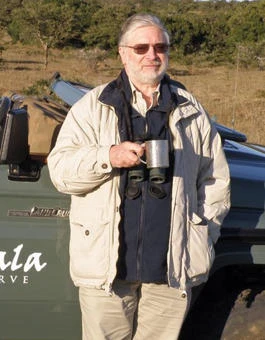
Dr Chris Brown
Chris studied at the University of Cape Town in South Africa. Following completion of his Honours degree, he joined the Percy FitzPatrick Institute of African Ornithology where he worked on their sub-Antarctic programme for several years, which included over two years carrying out research on the energetics and ecology of penguins, albatrosses and petrels on Marion Island in the sub-Antarctic.
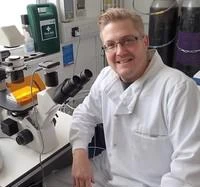
Dr Steven J Coles
Steve is a Biochemist with specialism in Immunology and Haematology. Steve’s research primarily focuses on a type of haematological cancer known as Acute Myeloid Leukaemia (AML). His research has helped gain understating of how AML cells escape immune attack. Steve’s research also focusses on clinical medicine, and through collaboration with the Cardiology Department at the local NHS Trust, his work has identified new blood biomarkers that are associated with increased risk of heart attack.
Steve established and leads the Worcester Biomedical Research Group.
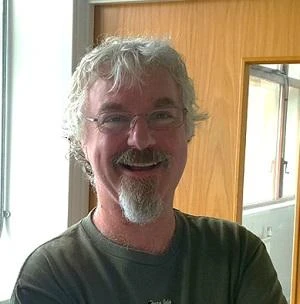
Dr Mike Wheeler
Dr Mike Wheeler is Course Leader for Medical Sciences and joined the University of Worcester in 2010 after researching in the area of plant molecular genetics. Mike developed a strong background in the biology of cell signalling in plants, with specific research into the mechanisms of self-incompatibility in poppy and the control of polarity in pollen tubes of tobacco.
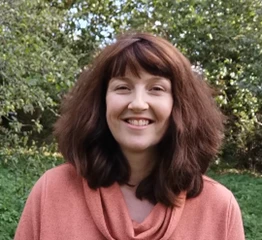
Dr Kate Ashbrook
Dr Chris Brown
Chris studied at the University of Cape Town in South Africa. Following completion of his Honours degree, he joined the Percy FitzPatrick Institute of African Ornithology where he worked on their sub-Antarctic programme for several years, which included over two years carrying out research on the energetics and ecology of penguins, albatrosses and petrels on Marion Island in the sub-Antarctic.
Dr Steven J Coles
Steve is a Biochemist with specialism in Immunology and Haematology. Steve’s research primarily focuses on a type of haematological cancer known as Acute Myeloid Leukaemia (AML). His research has helped gain understating of how AML cells escape immune attack. Steve’s research also focusses on clinical medicine, and through collaboration with the Cardiology Department at the local NHS Trust, his work has identified new blood biomarkers that are associated with increased risk of heart attack.
Steve established and leads the Worcester Biomedical Research Group.
Entry requirements
UCAS tariff points required: 96 - 104
| Qualification | Grade |
|---|---|
| A-level | CCC - must include A-Level Biology, Human Biology or Chemistry and A-Level in another science, Maths or Statistics |
| A-level | BCC - must include A Level Biology, Human Biology or Chemistry |
| BTEC National Extended Diploma | MMM/DMM |
| T-level | Pass (C or above) |
We do accept Access to HE Diplomas and other qualifications which may not exactly match the combinations above. Work out your estimated points with the UCAS tariff calculator.
Any questions?
If you have any questions about entry requirements, please call our Admissions Office on 01905 855111 or email admissions@worc.ac.uk.
Fees
Fees contents
UK and EU students
In 2026/27 the standard fee for full-time home and EU undergraduate students on BA/BSc/LLB degrees and FdA/FdSc degrees is £9,790 per year.
Tuition fees are reviewed annually and may increase each year for both new and continuing students.
For more details on course fees, please visit our course fees page.
International students
In 2026/27 the standard tuition fee for full-time international students enrolling on BA/BSc/LLB degrees and FdA/FdSc degrees is £17,200 per year.
Tuition fees are reviewed annually and may increase each year for both new and continuing students.
For more details on course fees, please visit our course fees page.
Case studies
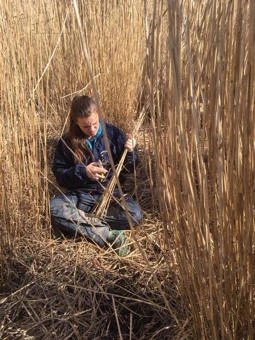
Elisabeth Bowles - PhD Student - IBERS, Aberystwyth University
One of the biggest reasons I was accepted onto the PhD course was due to the Research Project, which is completed in the final year of my undergraduate degree. Unlike most universities, Worcester allows students to design and undertake their investigations completely self-driven, with the supervisors acting in a supportive role rather than as a leader. The freedom and responsibility given to us has been hugely transferable not just for my current course but also in getting part-time jobs by being able to prove time management and independence.
I love what I’m doing now and I don’t think I would have been able to achieve what I have had I studied at another university. Worcester helped me go from disappointing A levels, to starting my PhD straight from my Bachelors.
Elisabeth Bowles - PhD Student - IBERS, Aberystwyth University
One of the biggest reasons I was accepted onto the PhD course was due to the Research Project, which is completed in the final year of my undergraduate degree. Unlike most universities, Worcester allows students to design and undertake their investigations completely self-driven, with the supervisors acting in a supportive role rather than as a leader. The freedom and responsibility given to us has been hugely transferable not just for my current course but also in getting part-time jobs by being able to prove time management and independence.
I love what I’m doing now and I don’t think I would have been able to achieve what I have had I studied at another university. Worcester helped me go from disappointing A levels, to starting my PhD straight from my Bachelors.
Elisabeth Bowles - PhD Student - IBERS, Aberystwyth University
One of the biggest reasons I was accepted onto the PhD course was due to the Research Project, which is completed in the final year of my undergraduate degree. Unlike most universities, Worcester allows students to design and undertake their investigations completely self-driven, with the supervisors acting in a supportive role rather than as a leader. The freedom and responsibility given to us has been hugely transferable not just for my current course but also in getting part-time jobs by being able to prove time management and independence.
I love what I’m doing now and I don’t think I would have been able to achieve what I have had I studied at another university. Worcester helped me go from disappointing A levels, to starting my PhD straight from my Bachelors.
How to apply
How to apply contents
Applying through UCAS
UCAS is the central organisation through which applications are processed for full-time undergraduate courses in the UK.
Read our how to apply pages for more information on the application process, or if you’d like to apply for part-time study.
Biological Sciences (Biology) BSc (Hons) - C100
Contact
If you have any questions, please get in touch. We're here to help you every step of the way.
Admissions Office
admissions@worc.ac.uk01905 855111More to explore
Open Days
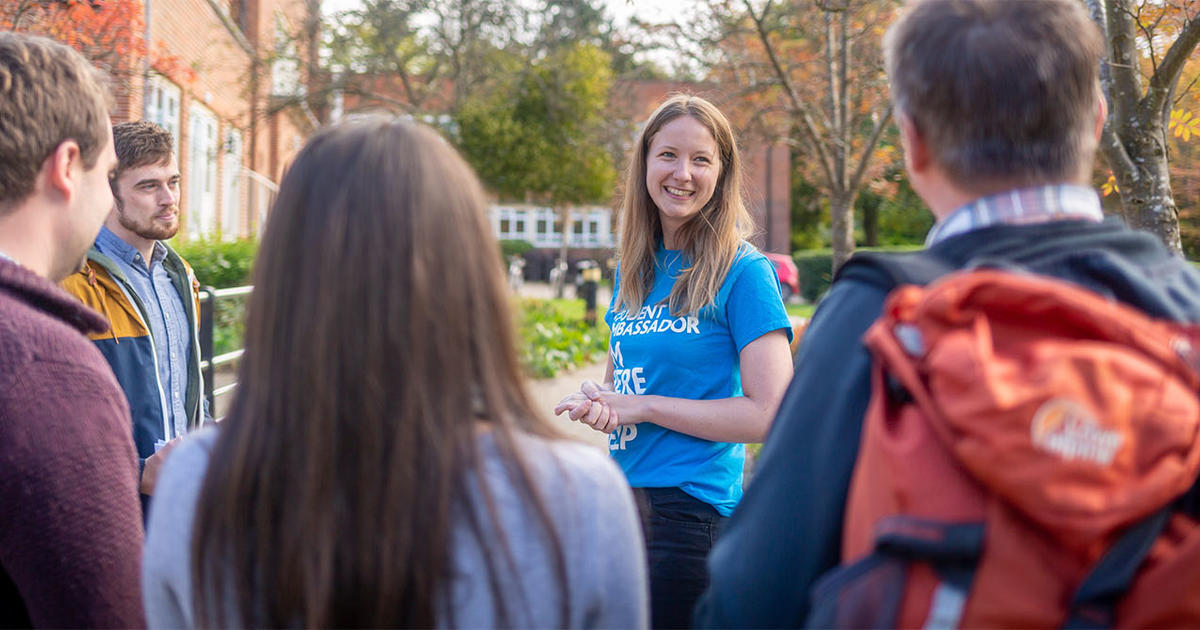
Visiting us is the best way to get a feel for student life at the University of Worcester.
The City of Worcester
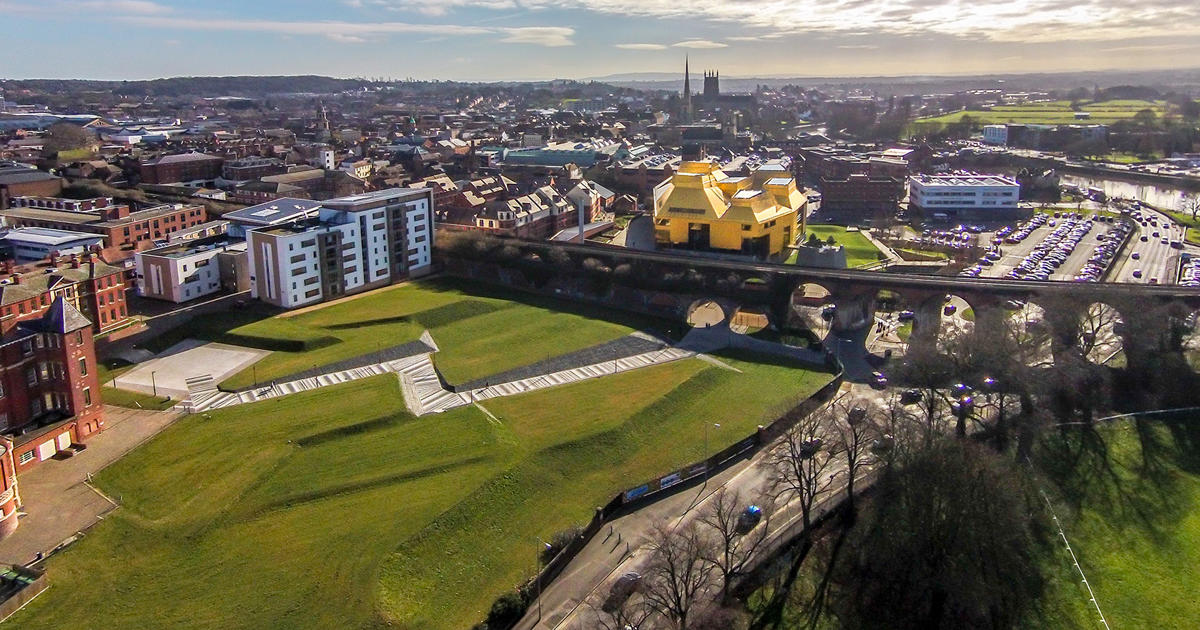
Worcester is a welcoming university city with great transport links and plenty of student parking.
Accommodation
Benefit from our accommodation guarantee. We have rooms on campus to suit every budget including en-suite options.